
MAISON BÉRARD · ALPS
Nathalie Pozzi
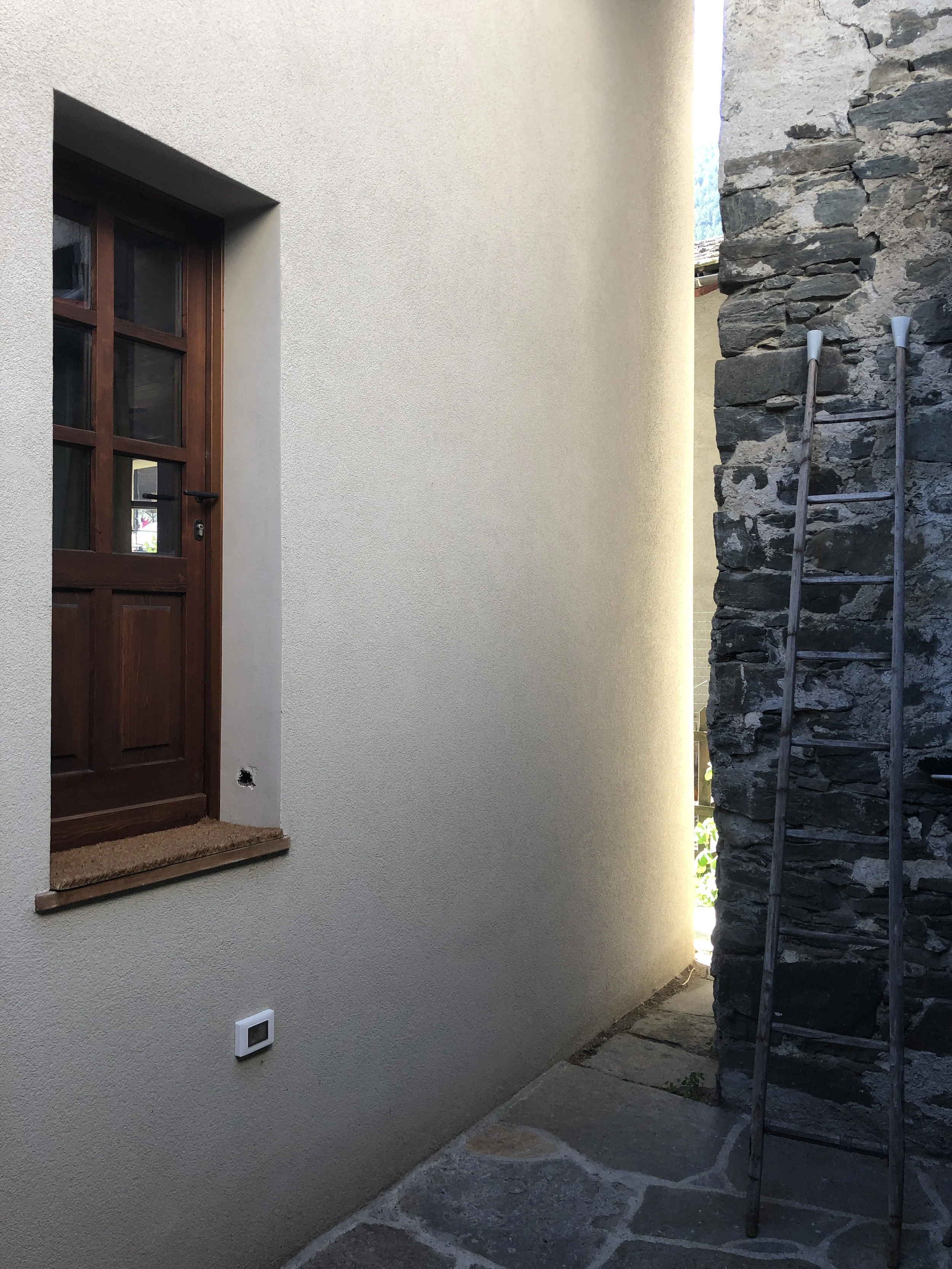
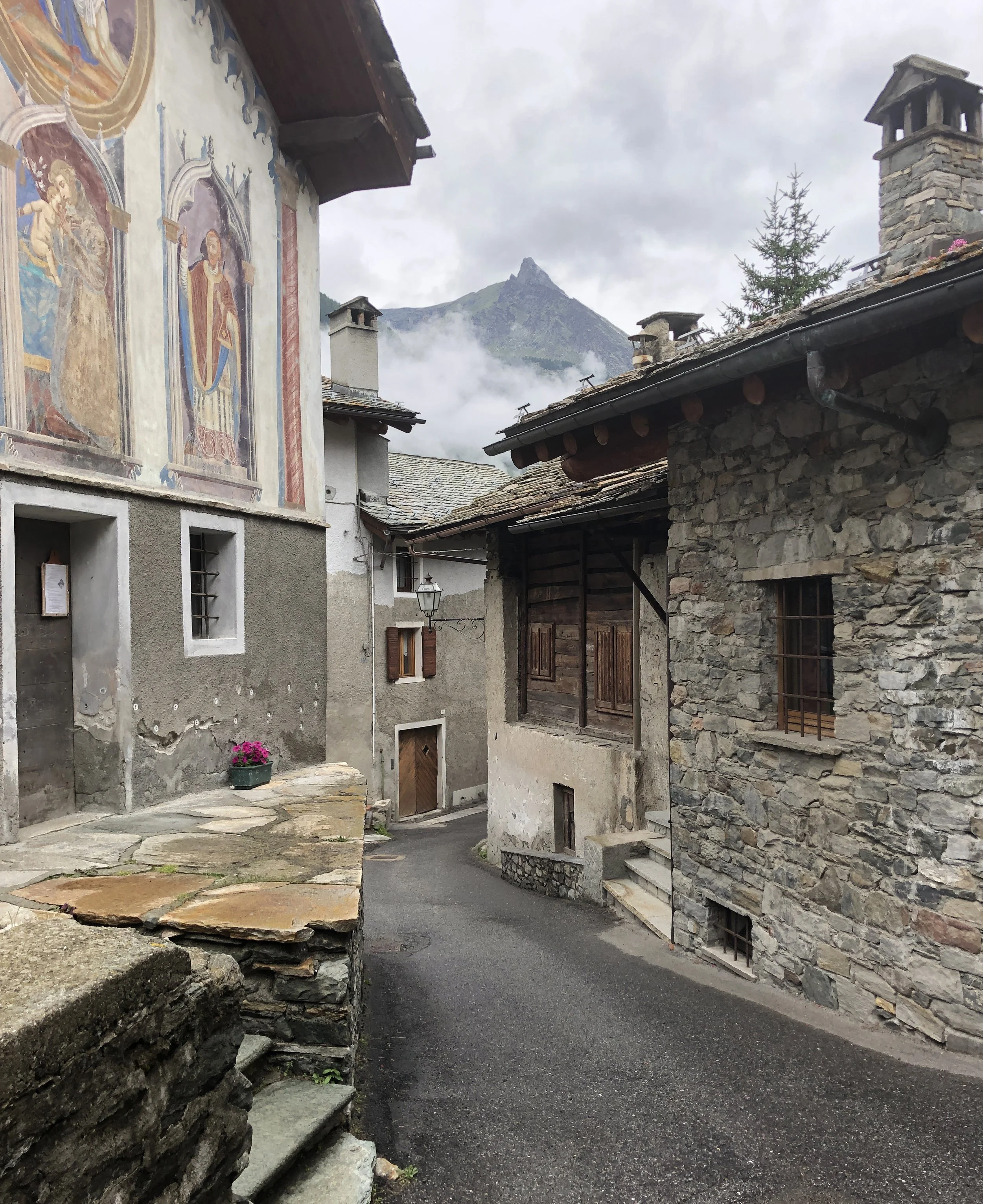
The building sits in the old core of the village, adjacent to a dense forest. It was constructed in the 1950s, following a traditional Alpine “tower house” model, and was later renovated in the 1980s.
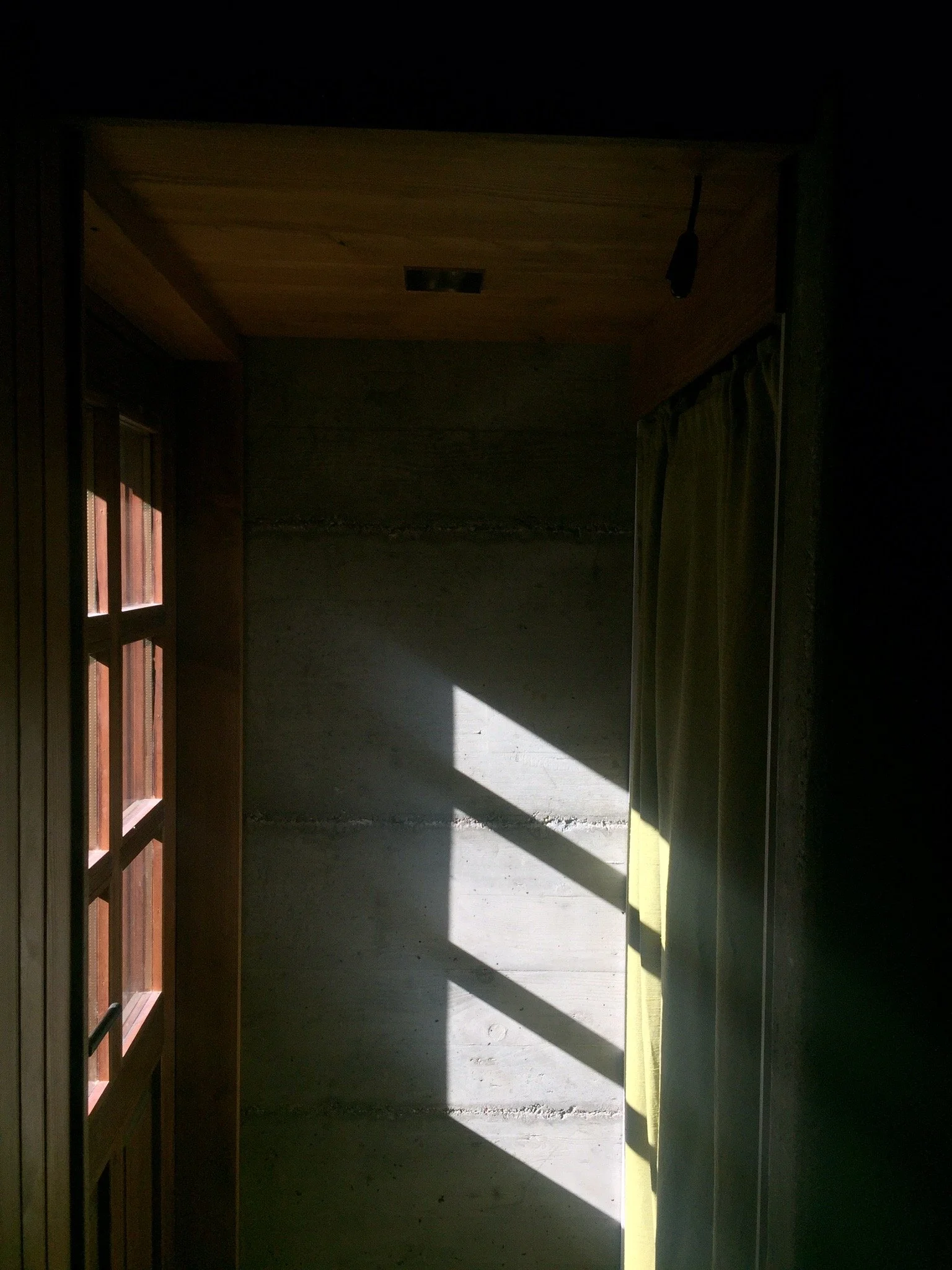
The renovation maintains the existing features and oddities of the original 1950s structure. The ceilings are low (barely 200 cm in places), and the rooms and windows are small. Yet everything is well-proportioned to the overall modest footprint of the house: 5.5 by 5.5 meters.
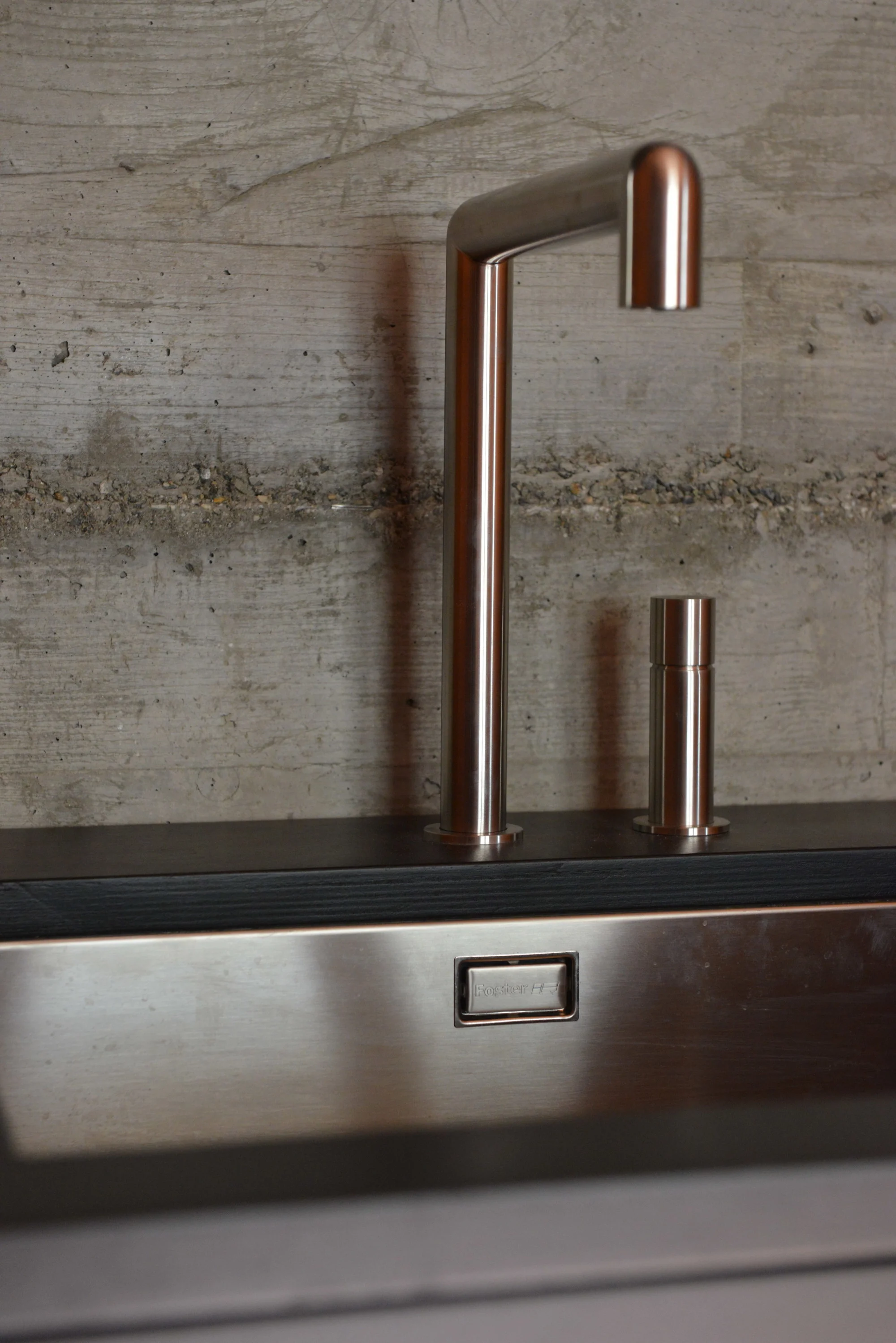
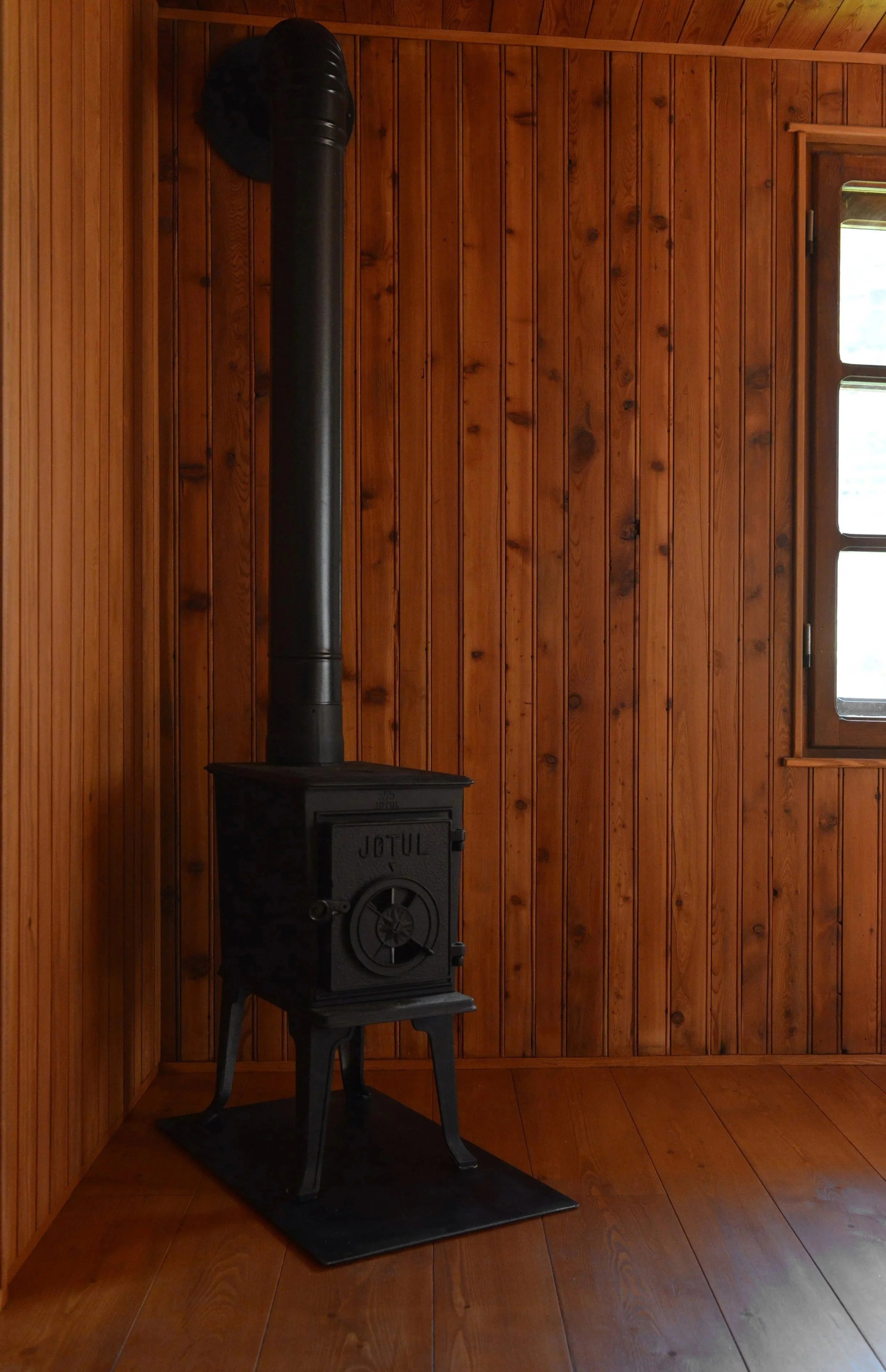
New elements introduced to the building include thin white steel stairs that connect the three upper levels and basement, integrating the overall space. Two added skylights bring in soft and diffuse interior light. The interior wood paneling and the original windows in dark reddish larch evoke a strong feeling of warmth, in this region of long, cold winters.
The renovation results in a home that combines contemporary elegance and subtlety of detail, while honoring the quiet strength of the original dwelling and the way it transitions from the social life of the village to its surrounding natural environment.
Renovation of an Alpine dwelling
Status
completed
Location
Cogne · Italy
Year
2013 design development
2016 first phase
2019 completed
Photo:
Paolo Rey




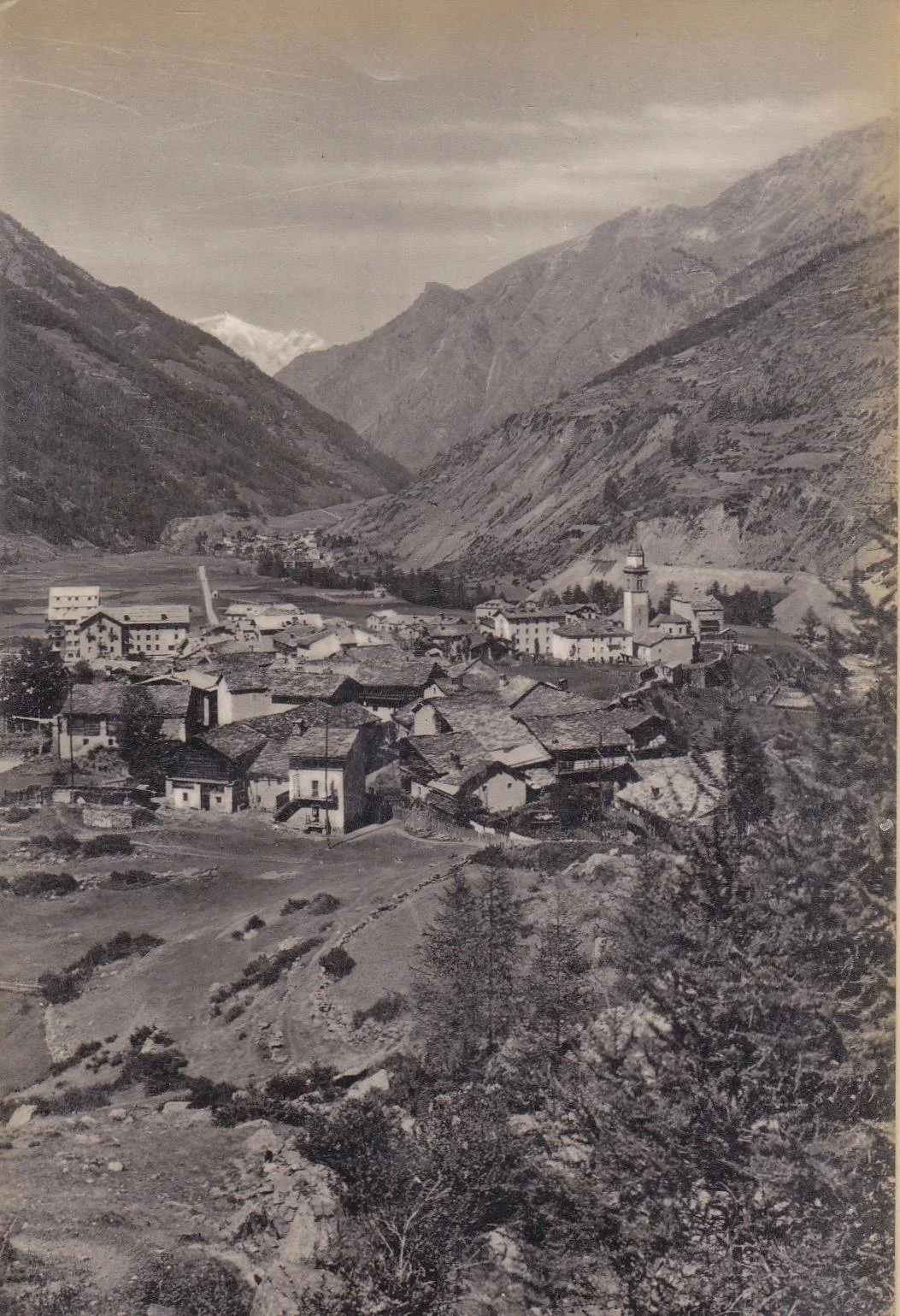
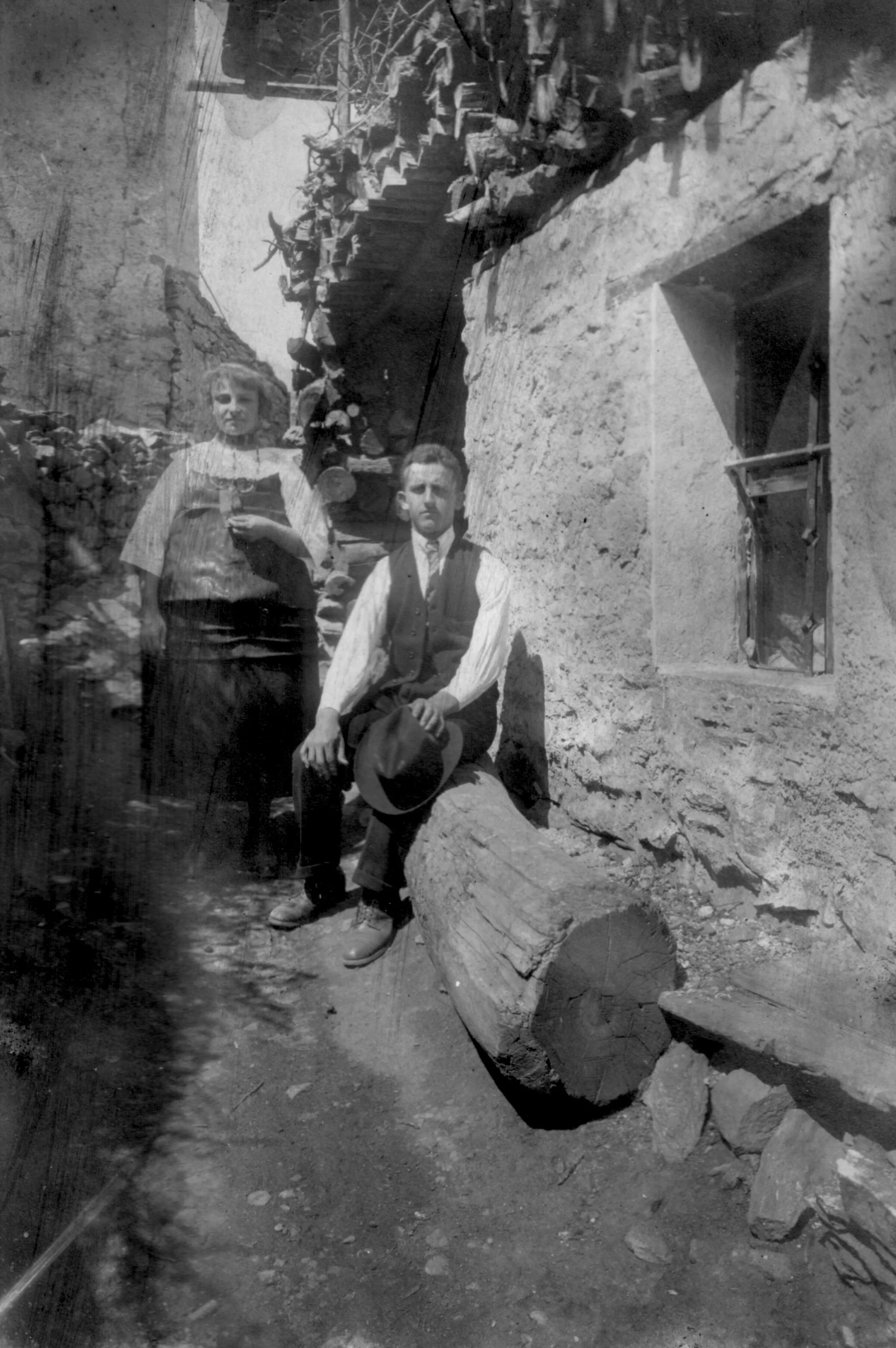
Cogne. Photo: Unknown. Courtesy of AMC (Associazione dei Musei di Cogne).


Cogne is a historic mining village, shaped by its iron ore extraction and the hydroelectric power plants built to support it, and the design draws on that industrial heritage in a direct way.
Driven by efficiency, the walls are insulated with calcium silicate panels, and electric floor heating keeps the house warm through the Alpine winters - powered by the same hydroelectric infrastructure that once ran the mines, and complemented by the warmth of traditional wood fire stoves.
This industrial logic also shapes the architecture itself. The thin white steel stairs and bookshelves that connect all levels of the house echo the character of the valley, where steel was both a raw material and a structural language.
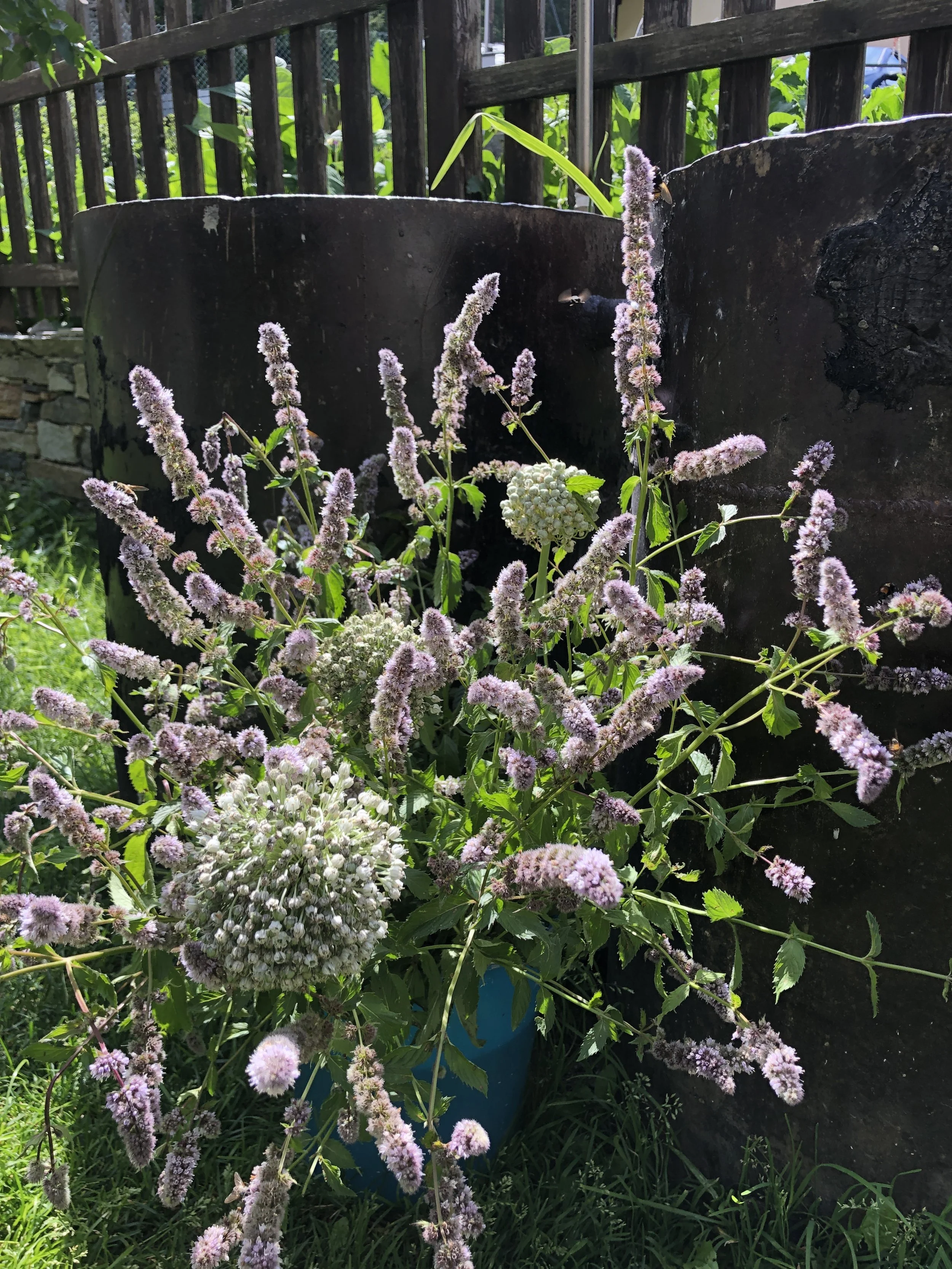
A simple outdoor element extends the project's dialogue with the industrial history of the valley. The outdoor fountain is made from refurbished steel pipes, originally part of the hydroelectric power plants that served the mines. Recovered and reassembled, they bring a piece of the valley's industrial past into the domestic garden, connecting the house to the broader history of the landscape around it.
"La montagne est ma mère."
Jean Giono, Voyage en Italie