PETIT SAINT BERNARD · ALPS
Nathalie Pozzi
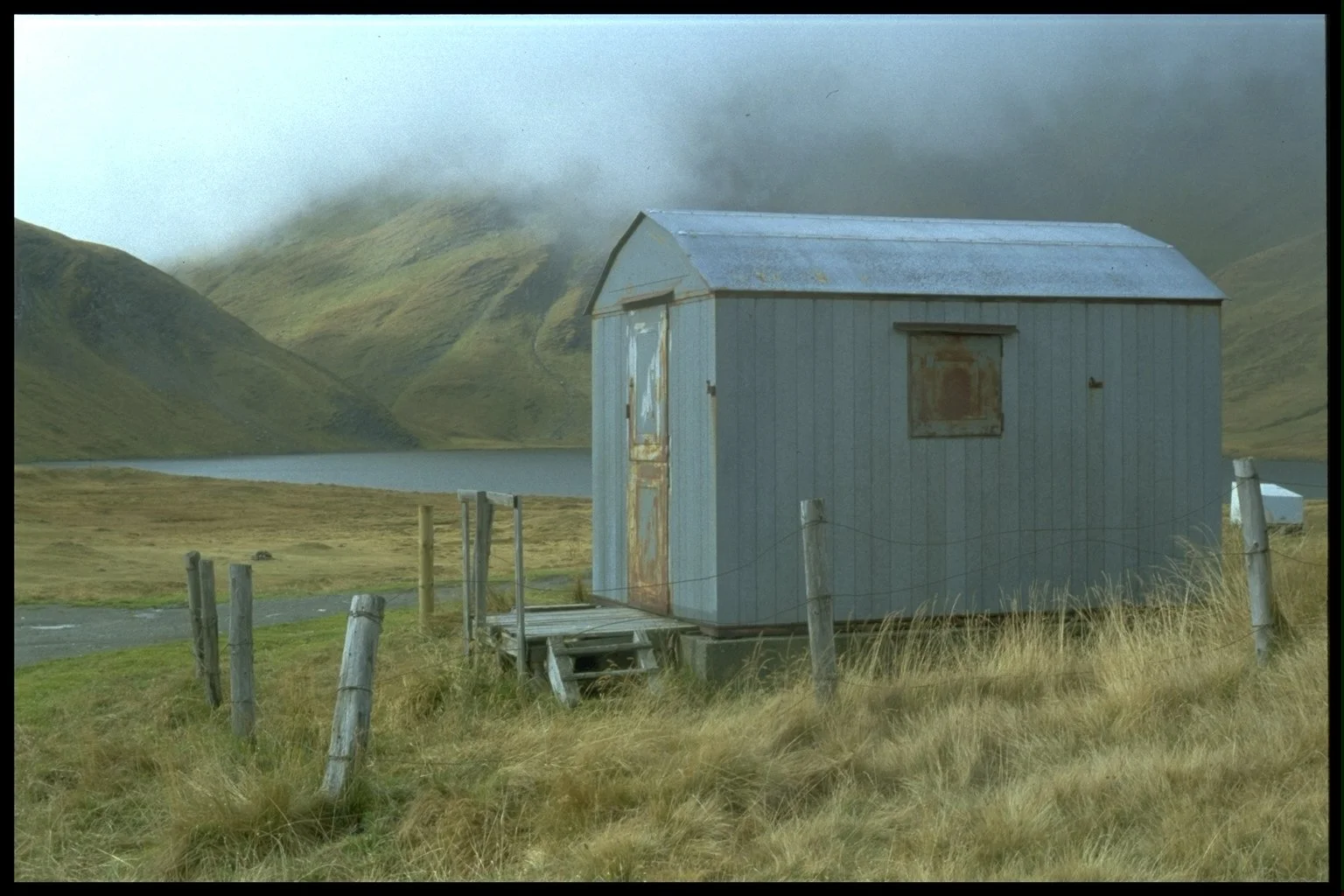
The thesis takes as its starting point the new generation of lightweight mobile milking machines, and addresses the inadequacy of a significant portion of high-altitude alpine pastures to current hygiene and code standards.
The proposal is to complement these mobile milking units with additional mobile elements serving as a dairy and temporary shelter, allowing productive activity to follow the herd rather than bringing the herd back to a fixed structure. Existing stone buildings, too fragile for significant renovation, are given a new role - shared between alpinism, pastoralism and tourism.
Thesis presented by Nathalie Pozzi at IUAV • Istituto Universitario di Architettura di Venezia, 26 April 2001.
Mobile dairy and shelter for high-altitude alpine pastures The particular case of the Col du Petit Saint-Bernard
Academic Institution
IUAV • Istituto Universitario di Architettura di Venezia
Location
Grand Saint Bernard · Alps
Year
2001
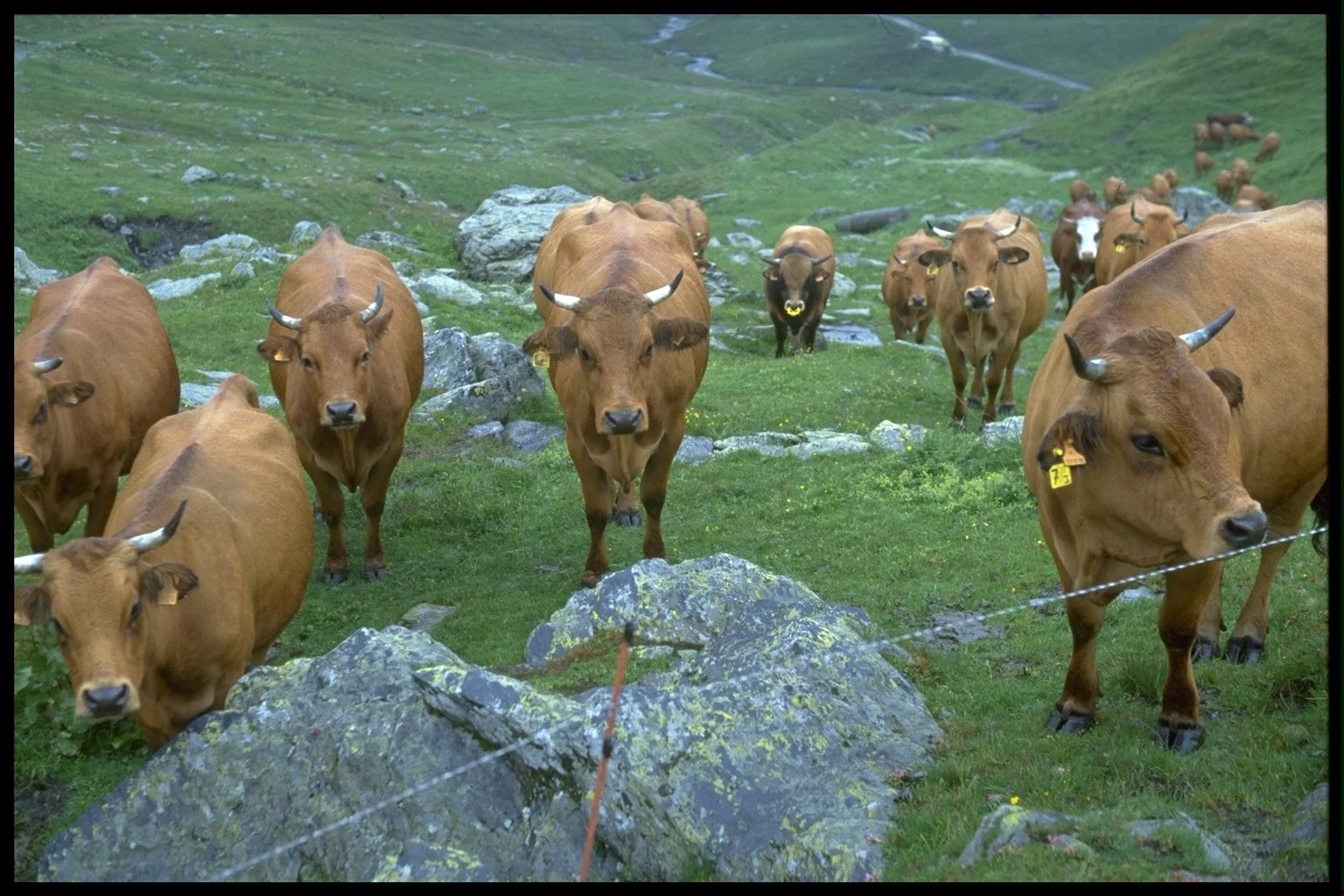
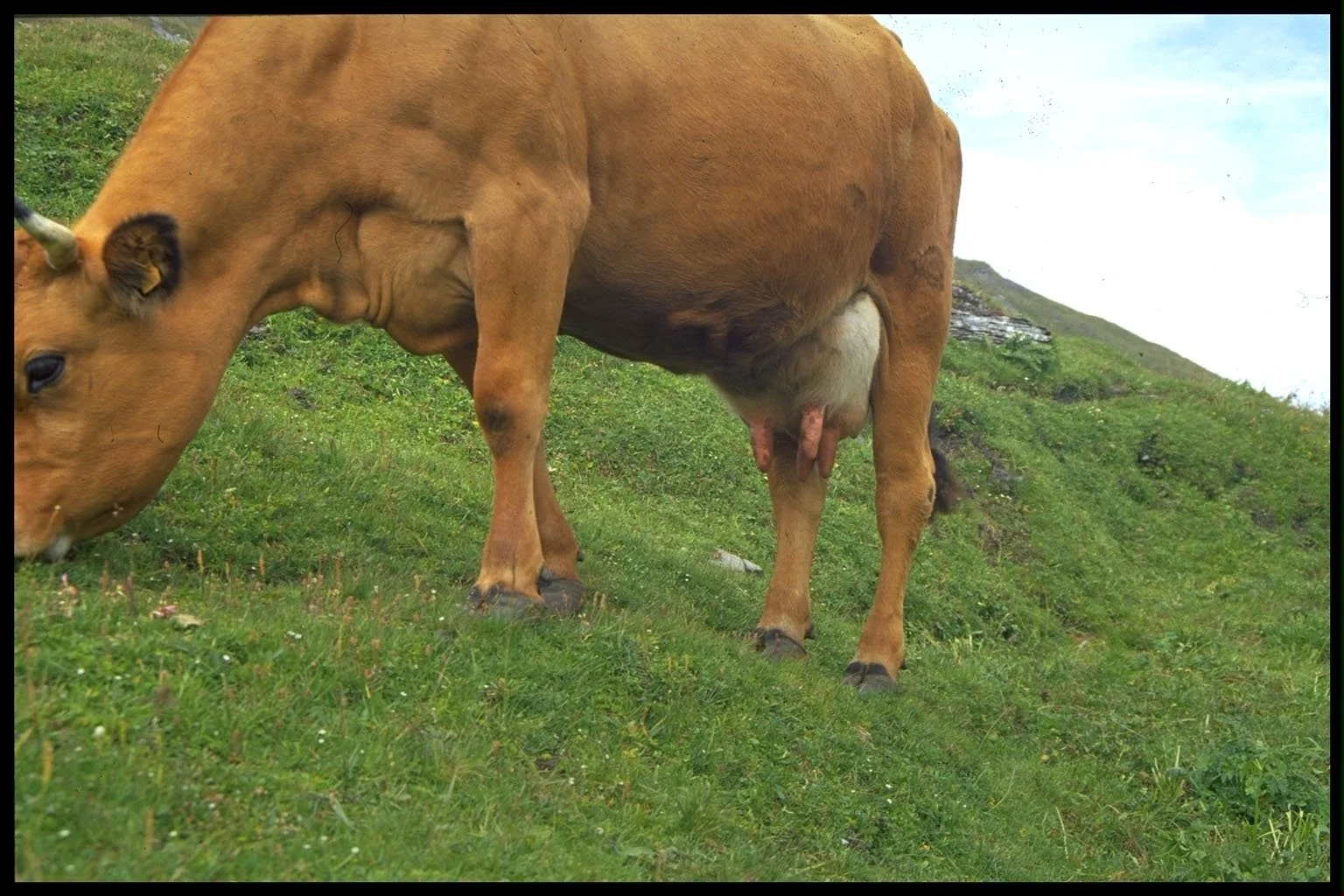
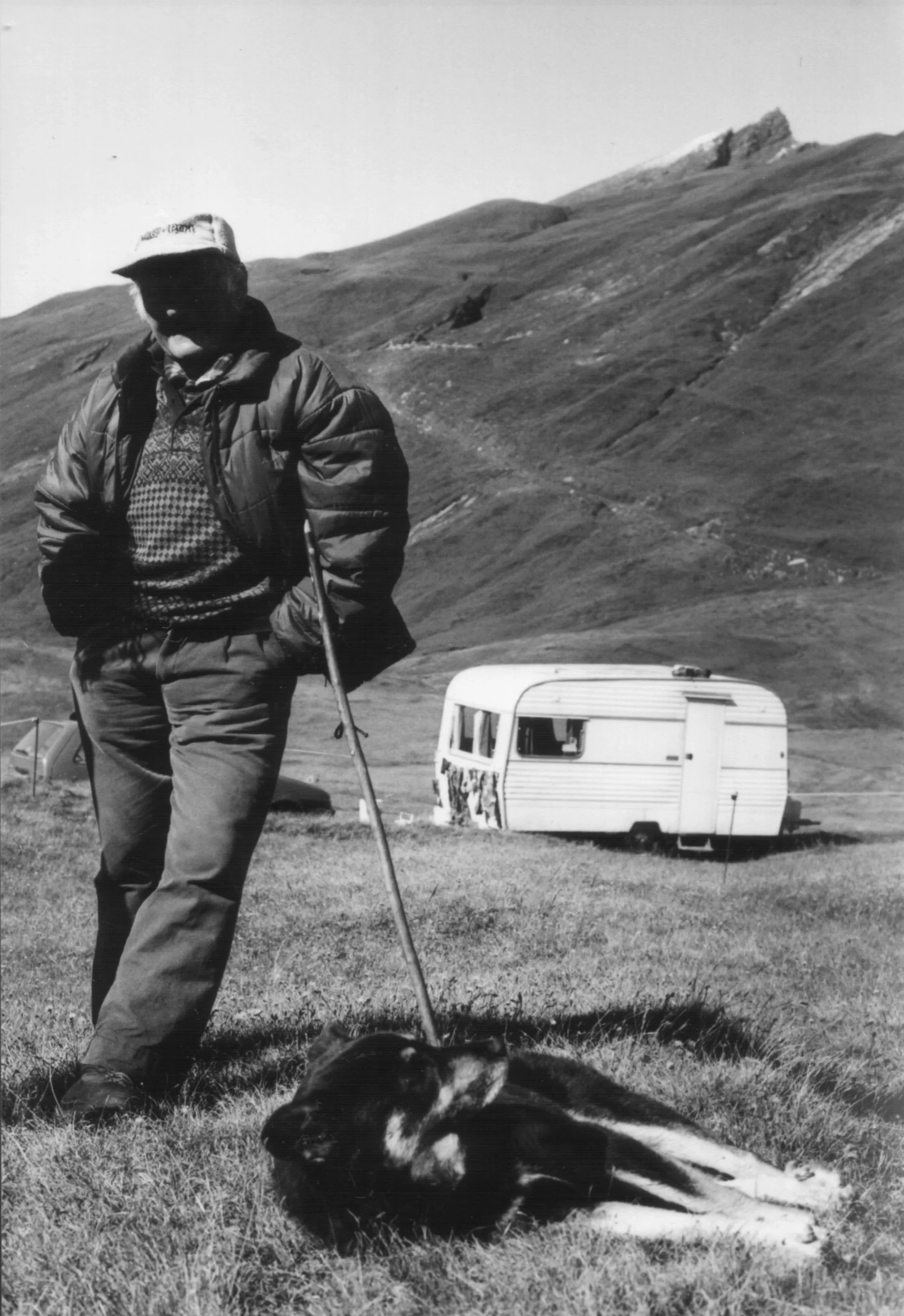
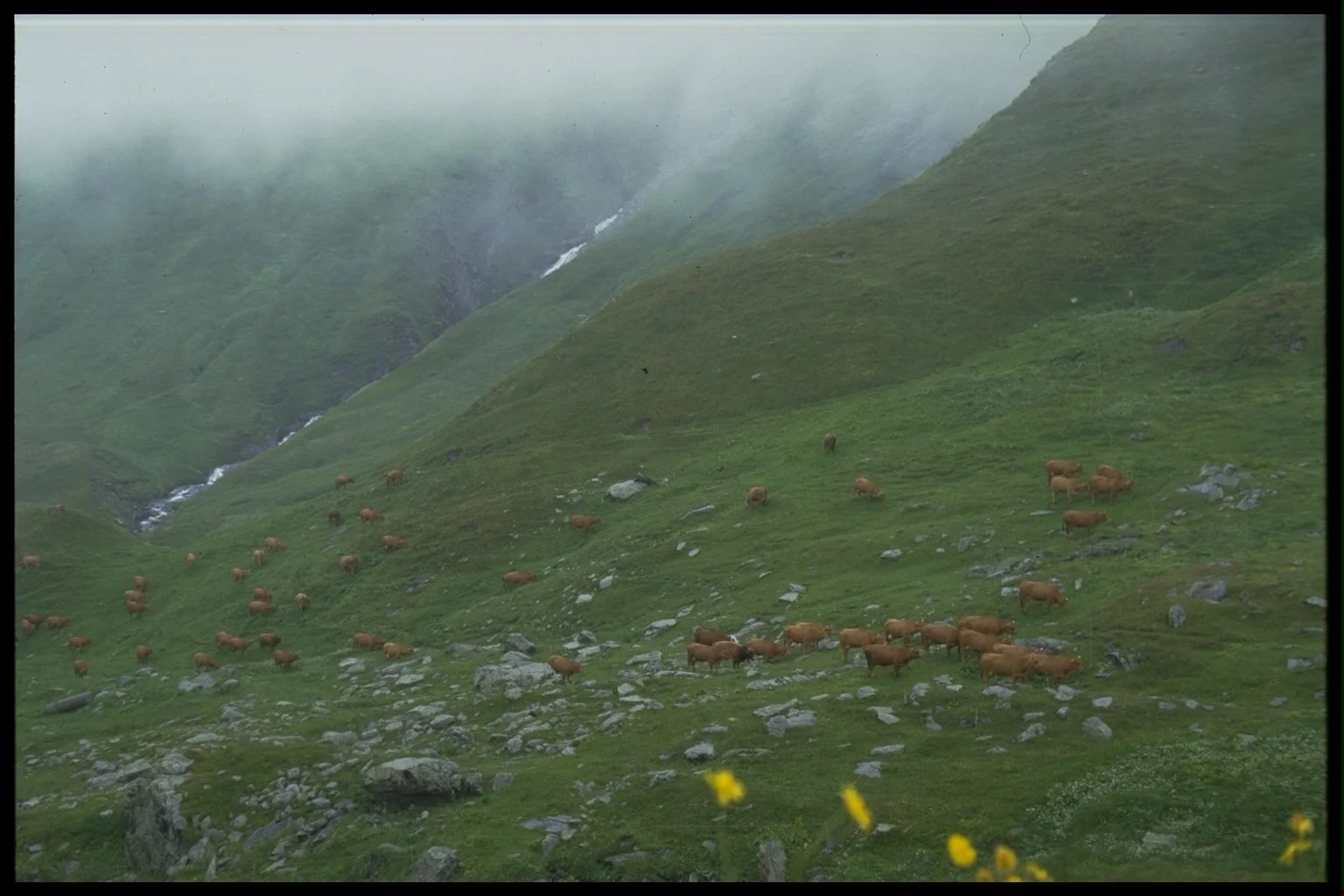
The thesis examines the particular case of the Col du Petit Saint-Bernard, a high-altitude Alpine pass located on the border between France and Italy, focusing on its layered historical, geographical, and cultural significance.
Situated at an elevation of approximately 2,200 meters, the pass has long functioned as a strategic crossing point, shaping patterns of movement, trade, and military passage across centuries.
The principal themes are:
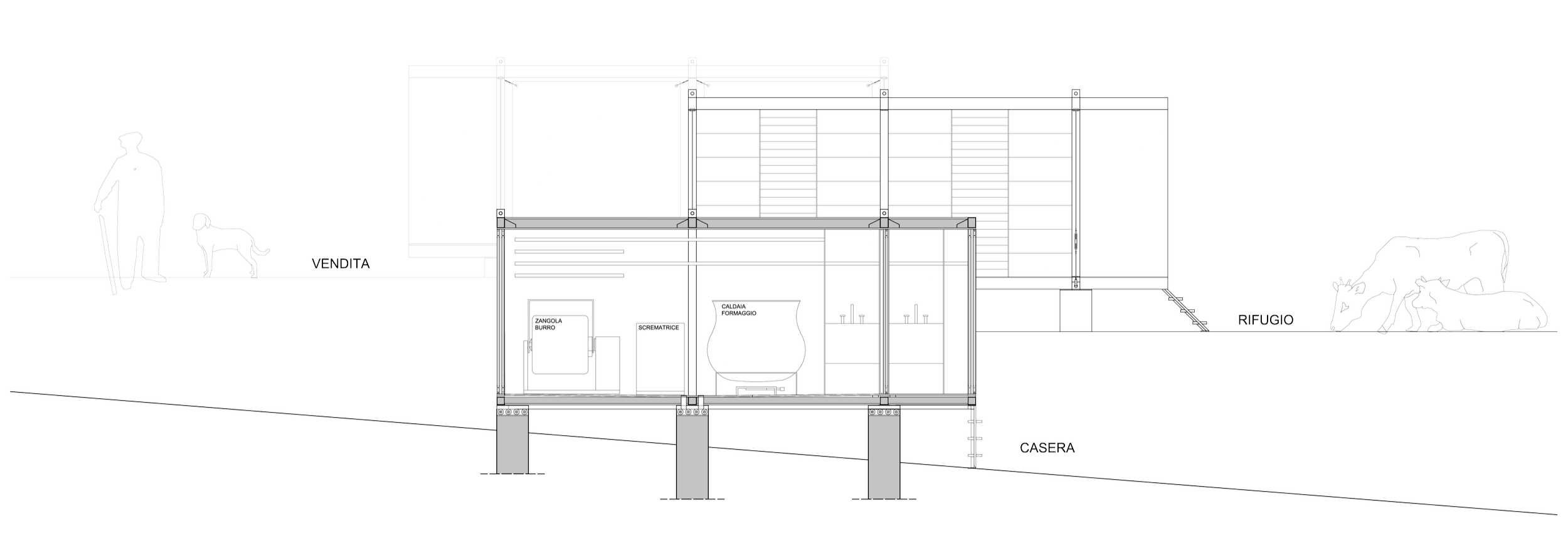
Compliance with hygiene standards Spatial organisation for different activities (cleaning containers, processing milk, etc.), dimensional requirements, and selection of appropriate materials. Biological polyethylene tanks for water collection.
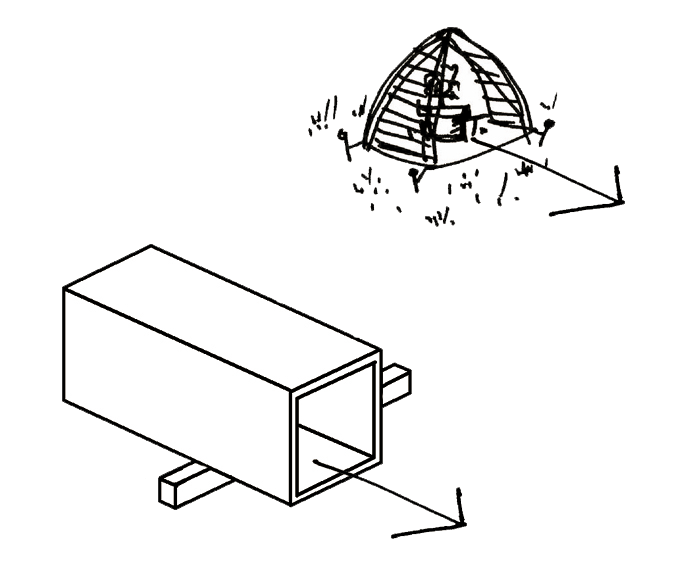
Transportability Maximum width of 250 cm (road transport regulations) and weight distribution for helicopter transport. Lightweight materials (Tripan honeycomb panels). Precise definition of the connection between mobile unit and wall, allowing both vertical placement by helicopter and horizontal sliding by ground transport. Assessment of rapid lifting systems.
The proposed solution has two parts: one temporary, one permanent.
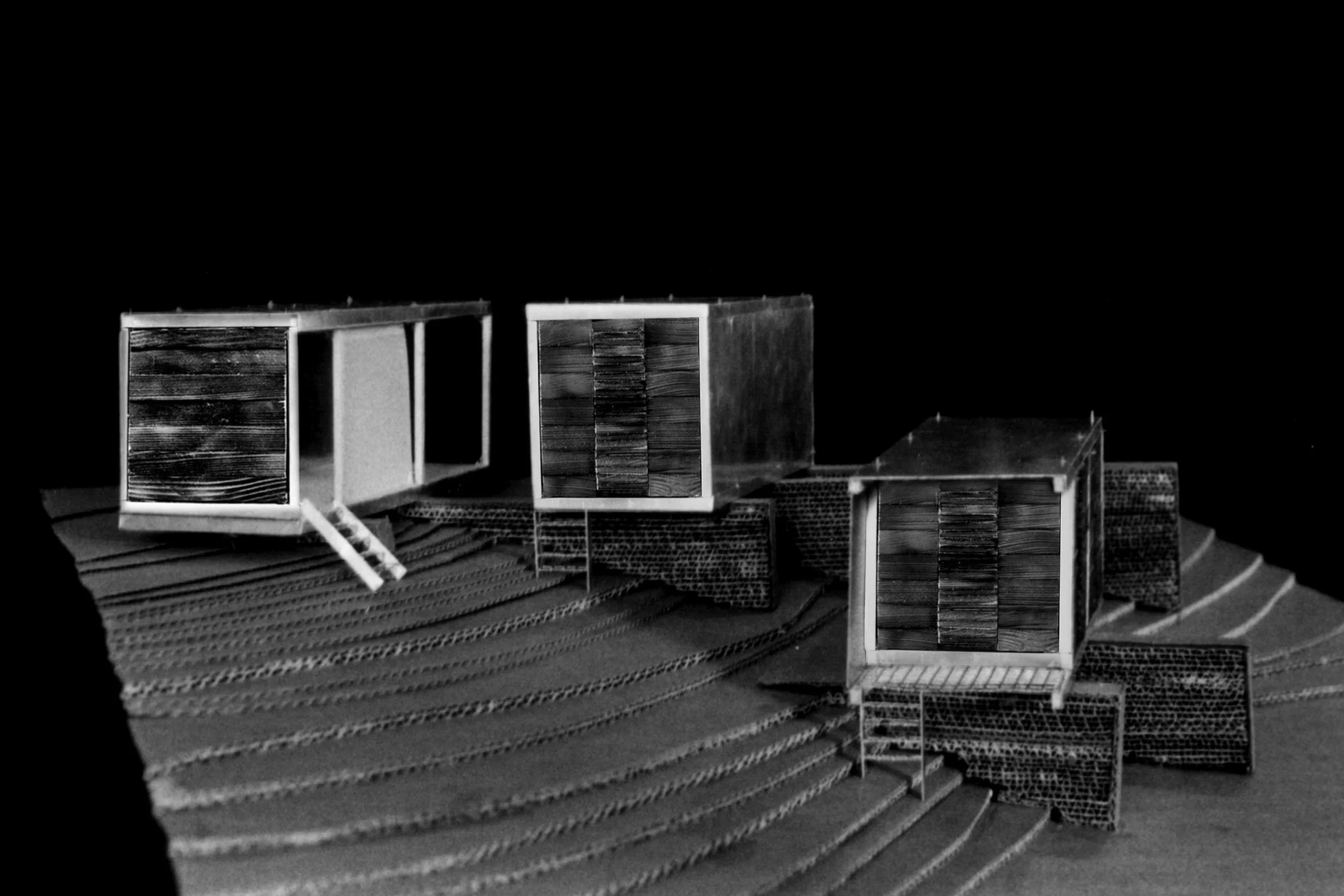
The first consists of mobile units (two and a half modules of 250 x 250 x 250 cm), which rest on the second: fixed low walls (minimum height 45 cm, same width) whose primary function is to level uneven ground and raise the dairy and shelter off the soil.
The project operates at two scales. At 1:1, the definition of individual mobile units approaches the logic of design. At the scale of landscape composition — across several hypothetical alpine settings — the approach draws on the language of land art.
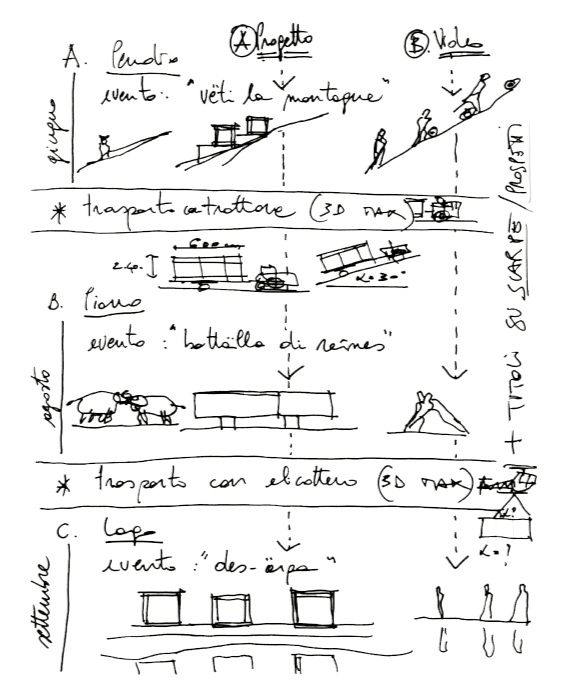
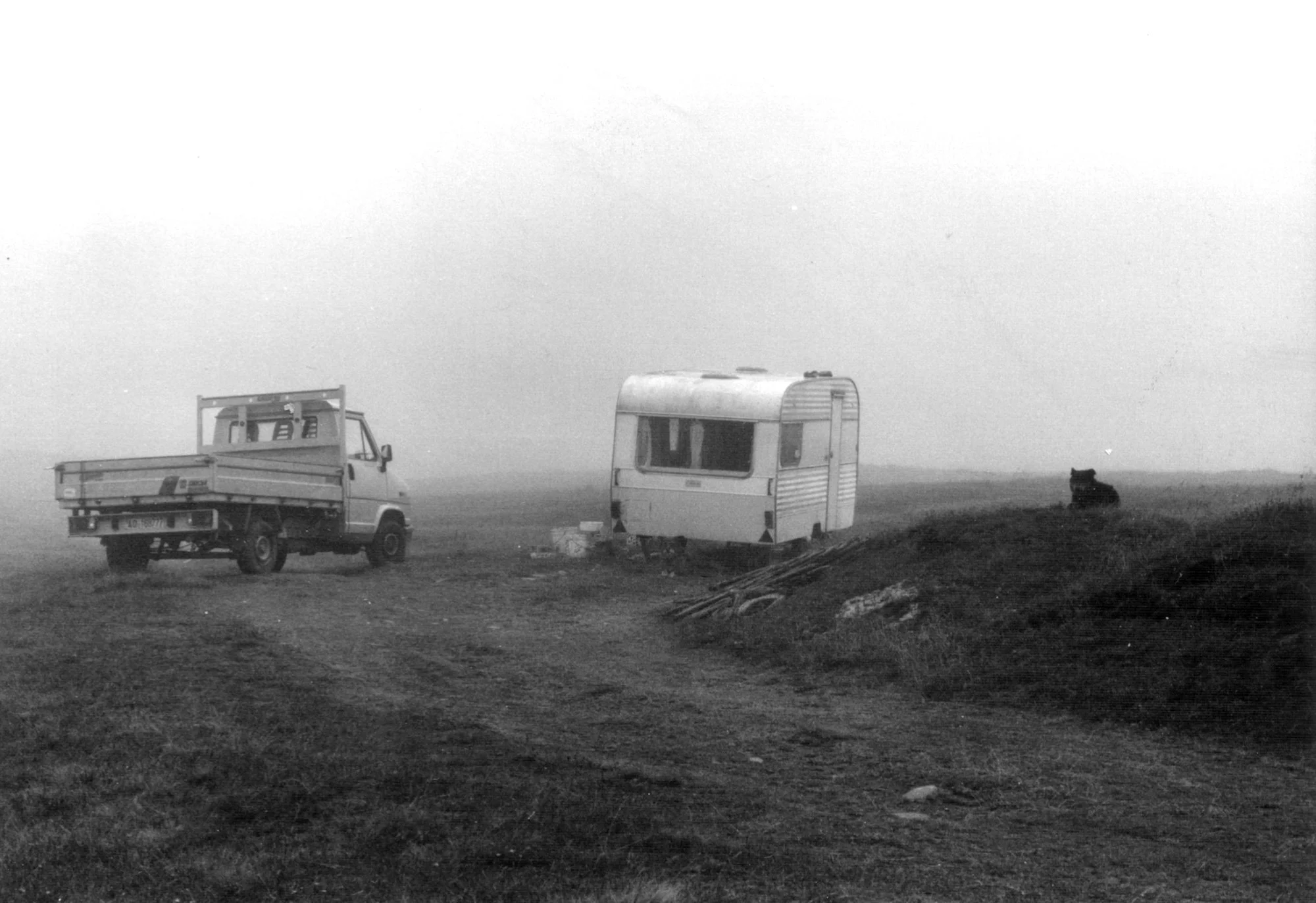
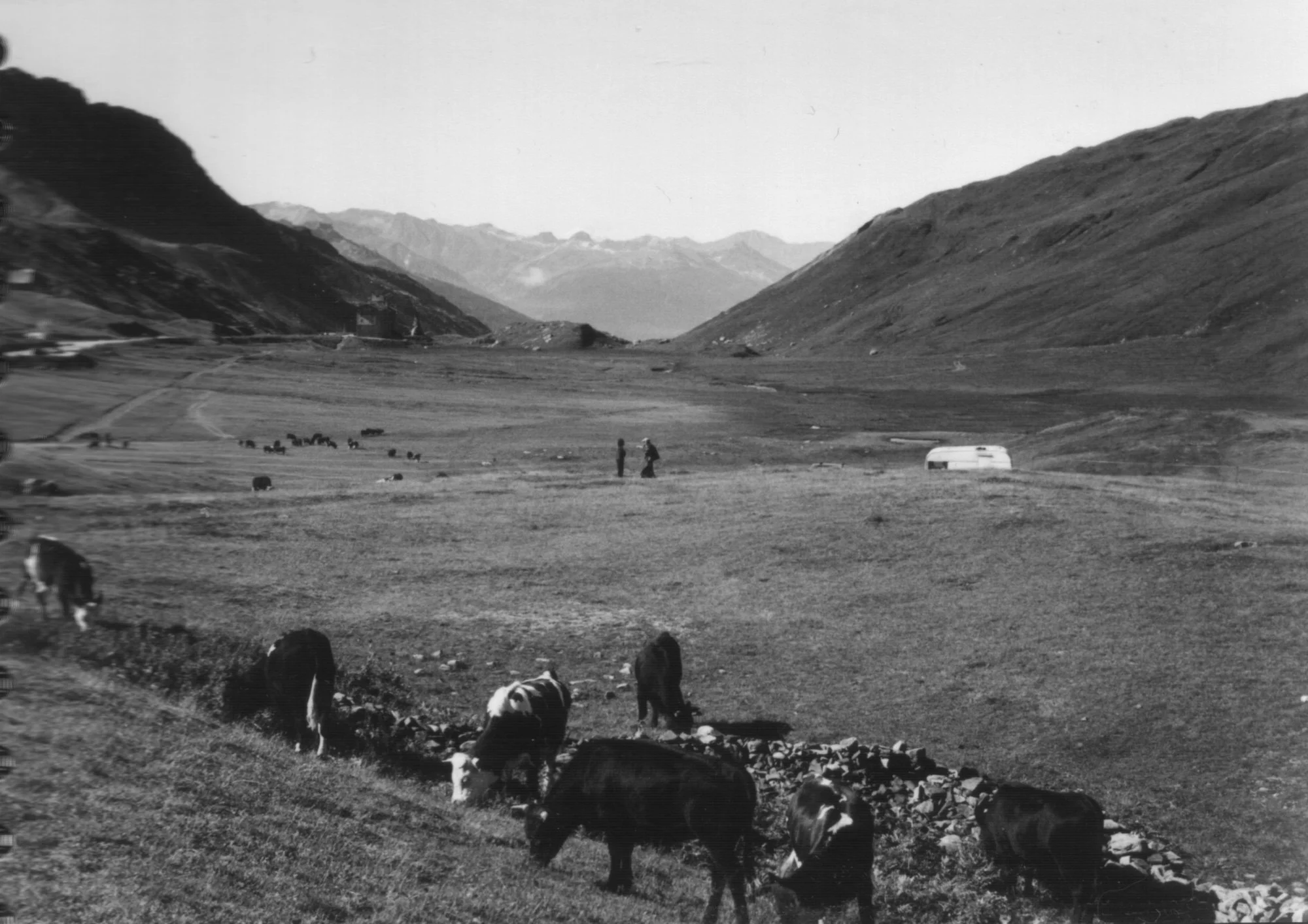
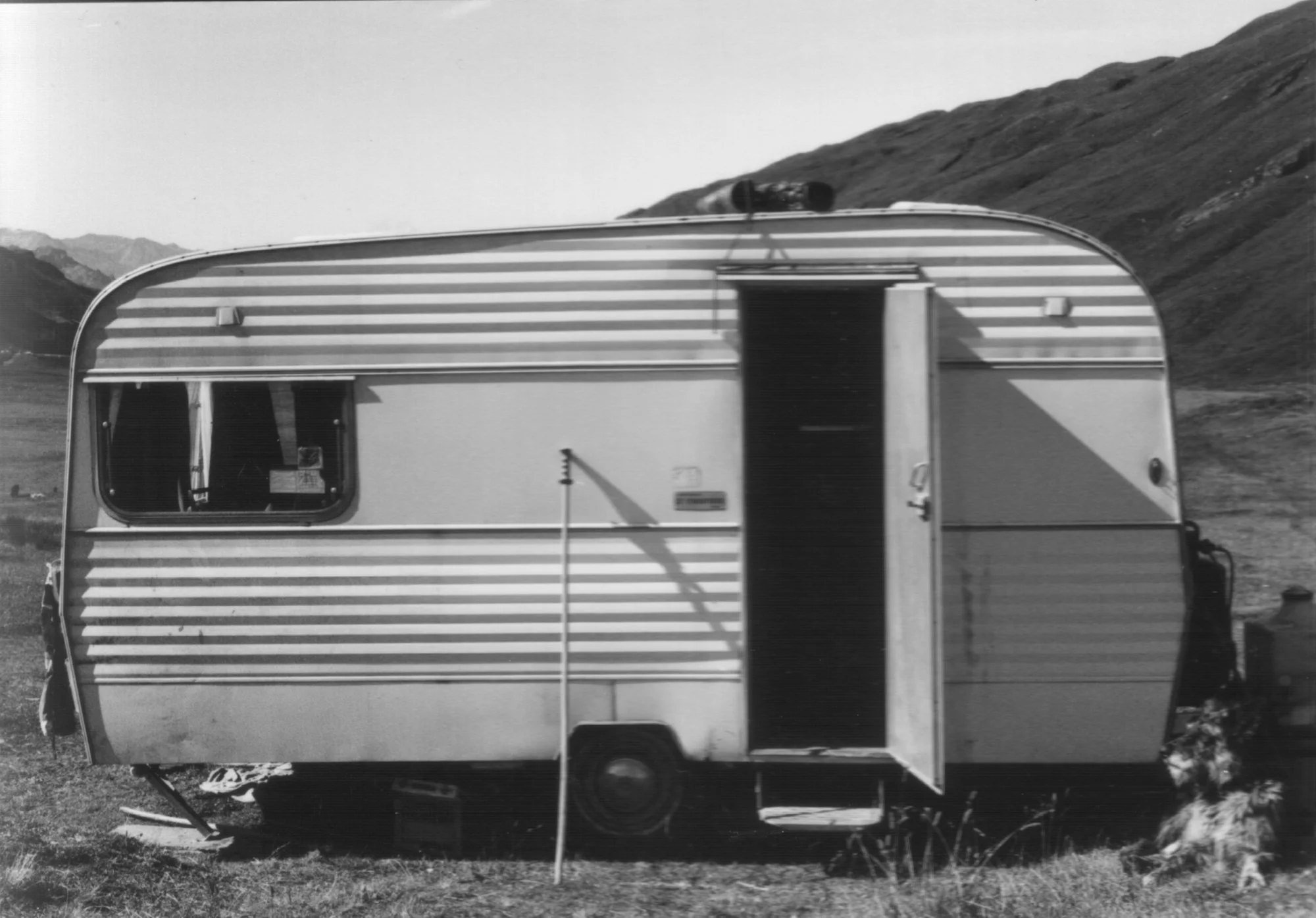
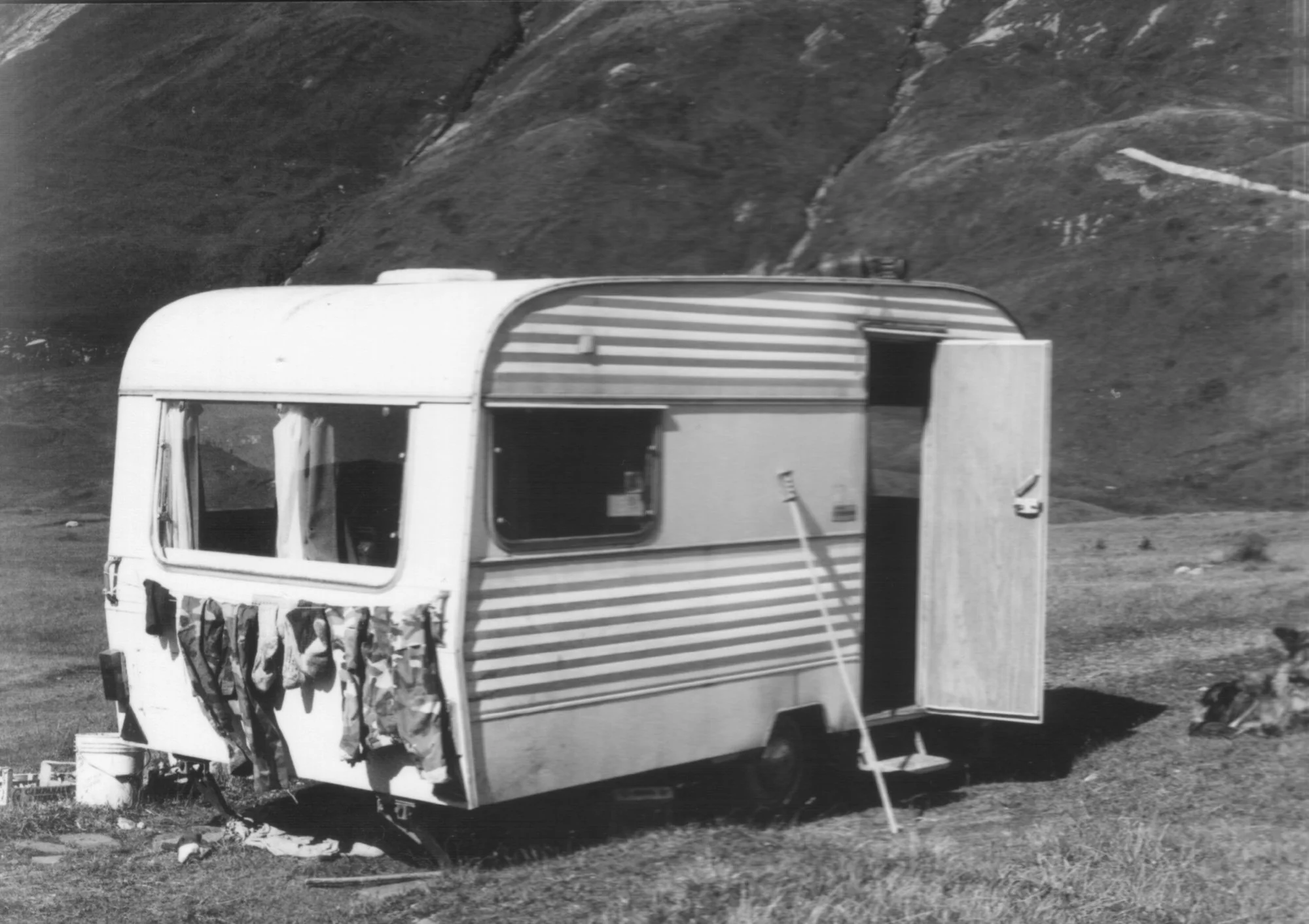
At the scale of landscape, the primary theme is the integration of the mobile units into the alpine environment:
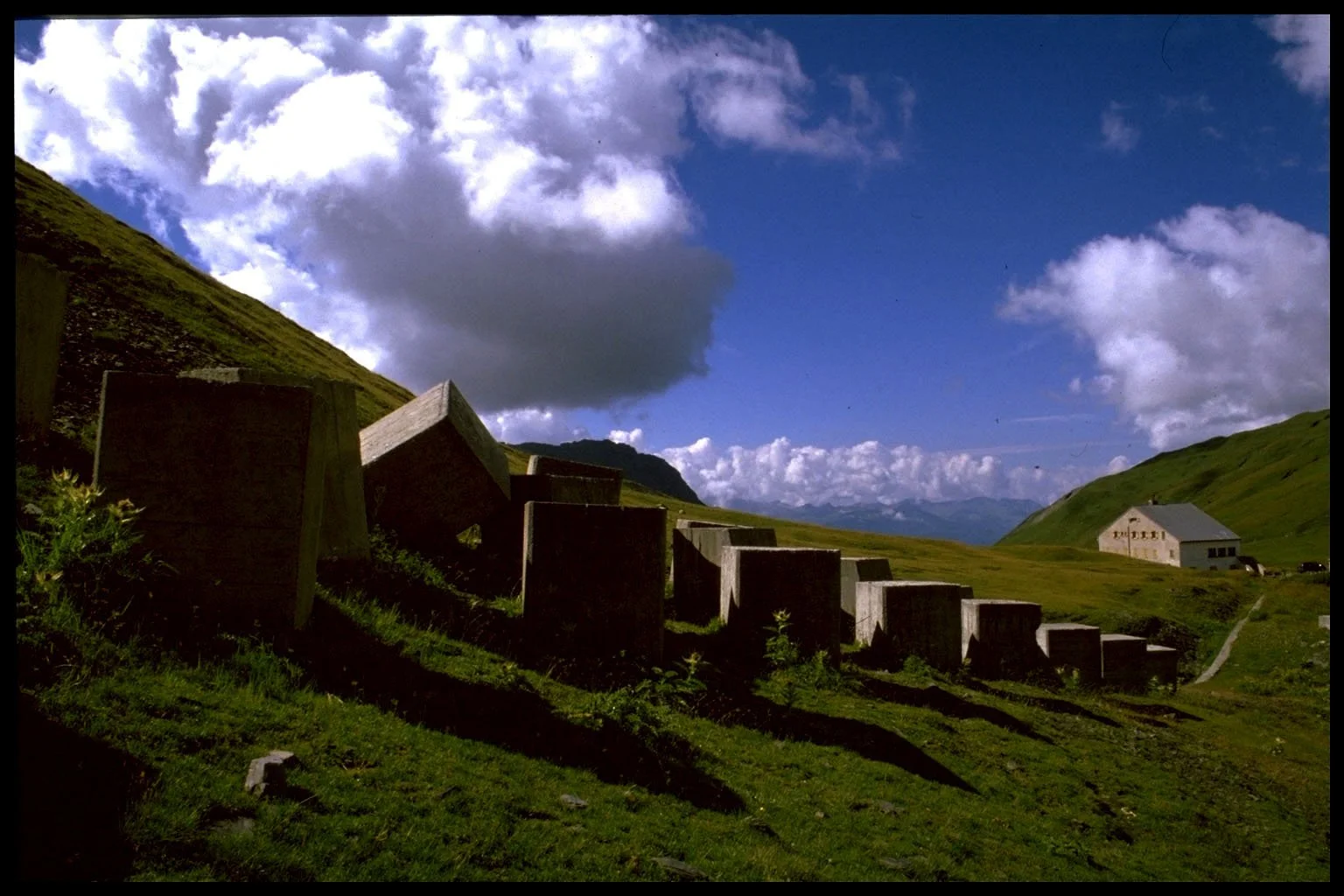
Landscape The alpine mountain landscape is strongly natural yet shaped by human activity. Even temporary practices such as transhumant pastoralism leave permanent marks on the terrain. The landscape is built from simple elements — stones, cromlechs, concrete anti-tank blocks — that through repetition and combination form complex structures.
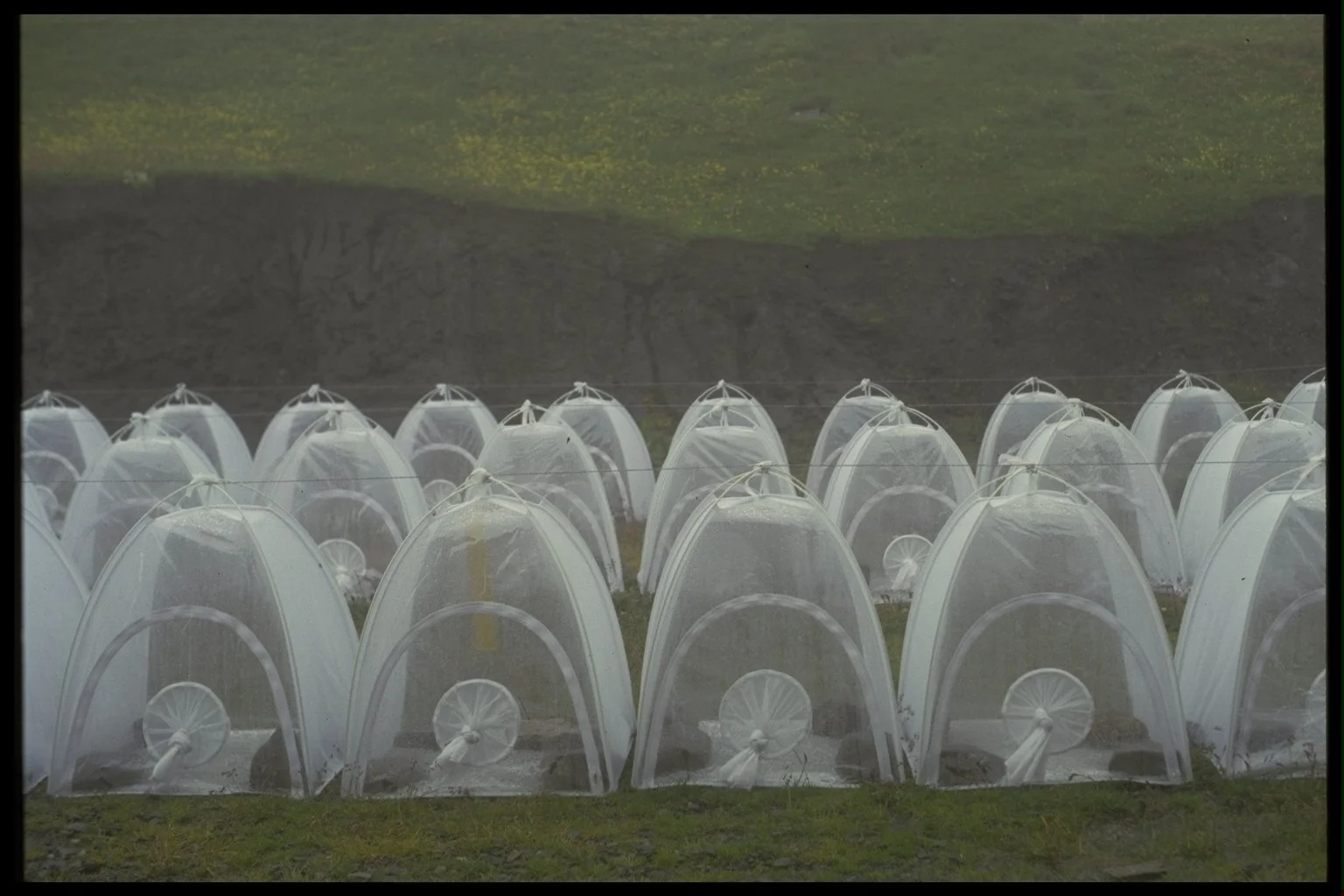
Environment The fixed structures allow rainwater to pass through without altering the existing hydrological system. No new impermeable surfaces are introduced. Water is collected and managed through differentiated drainage. Minimal ground impact. Compatibility with traditional construction methods (reference to local "champignons"). Use of local materials (stone, timber). Easy dismantling — including permanent elements — and possible reintegration of materials into the environment (dry stone walls, etc.).
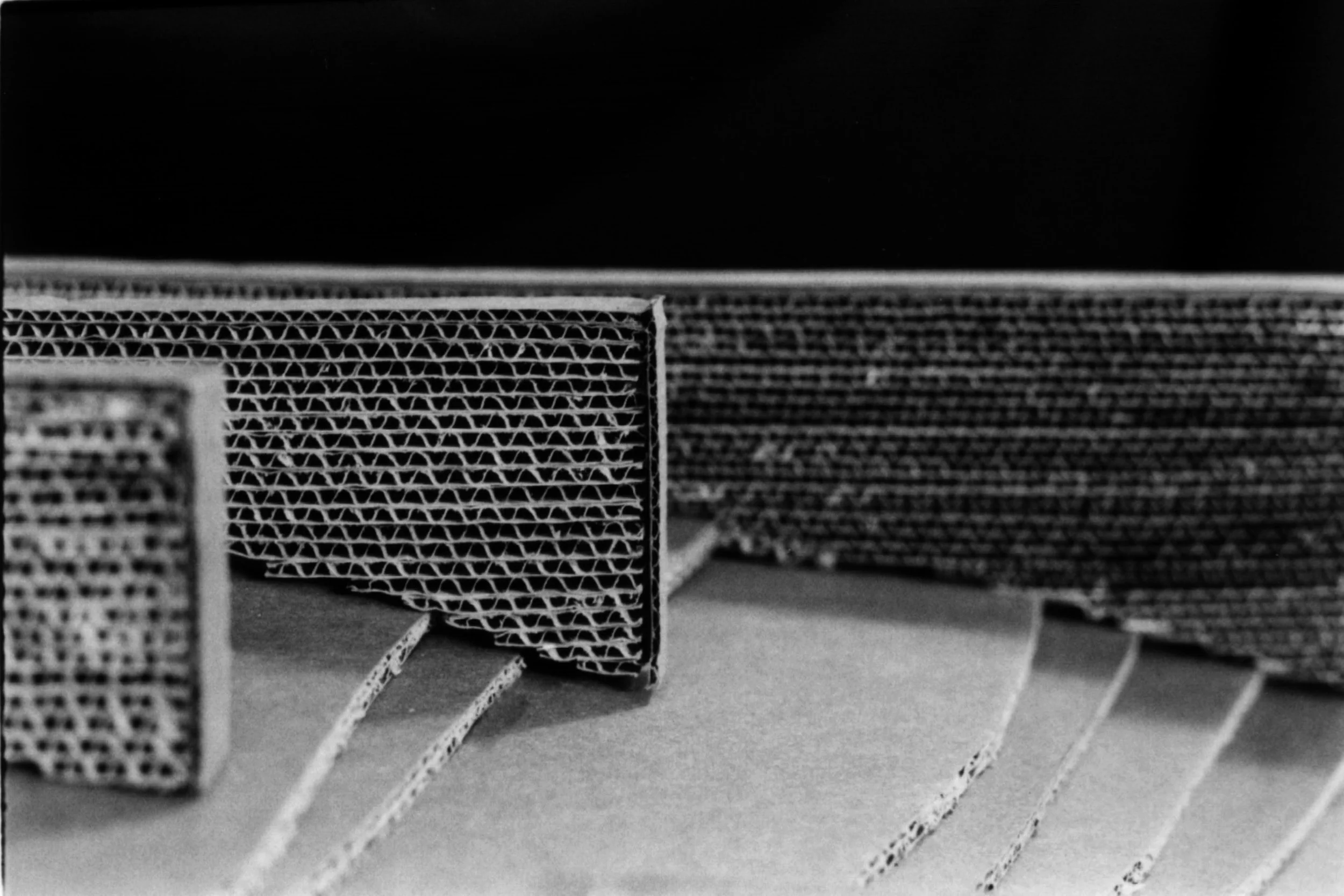
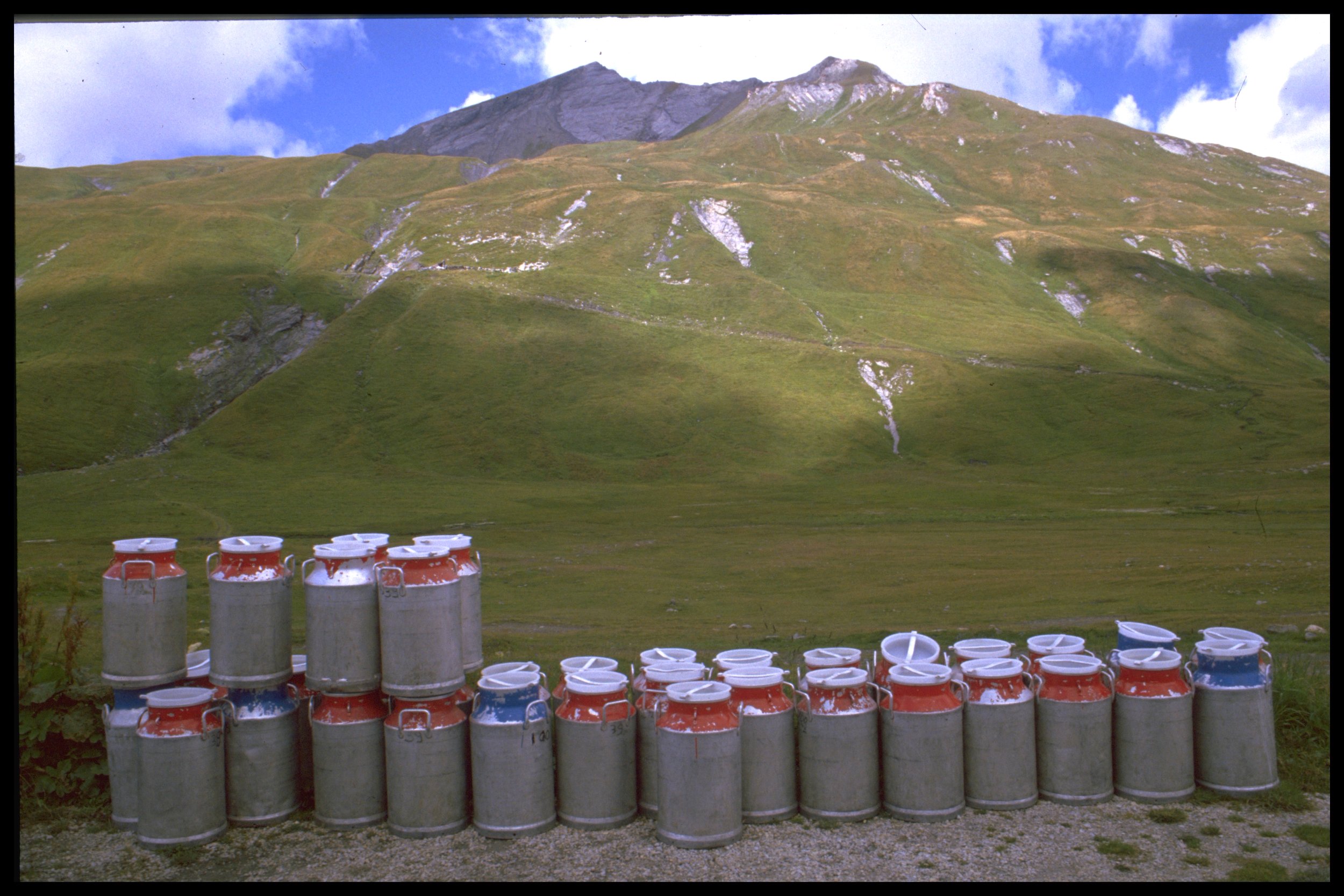
Construire, c’est collaborer avec la terre: c’est mettre une marque humaine sur un paysage qui en sera modifié à jamais.
Marguerite Yourcenar, Mémoires d'Hadrien (1951)