Contact Us

Use the form on the right to contact us.

You can edit the text in this area, and change where the contact form on the right submits to, by entering edit mode using the modes on the bottom right. 

SPACE AND DESIGN

PROJECTS

Filtering by Category: BUILDINGS

LOG CABIN • NY

Nathalie Pozzi


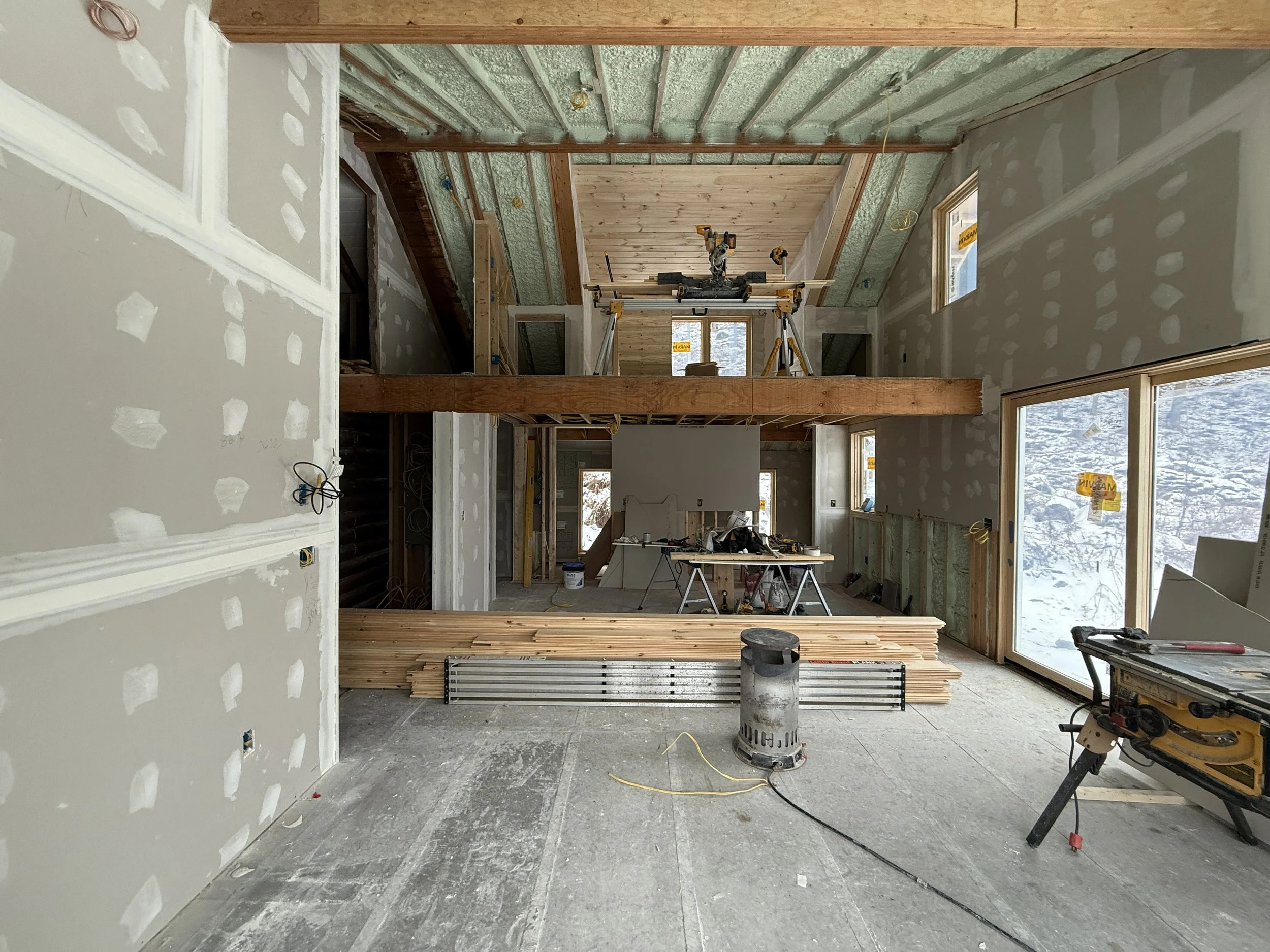
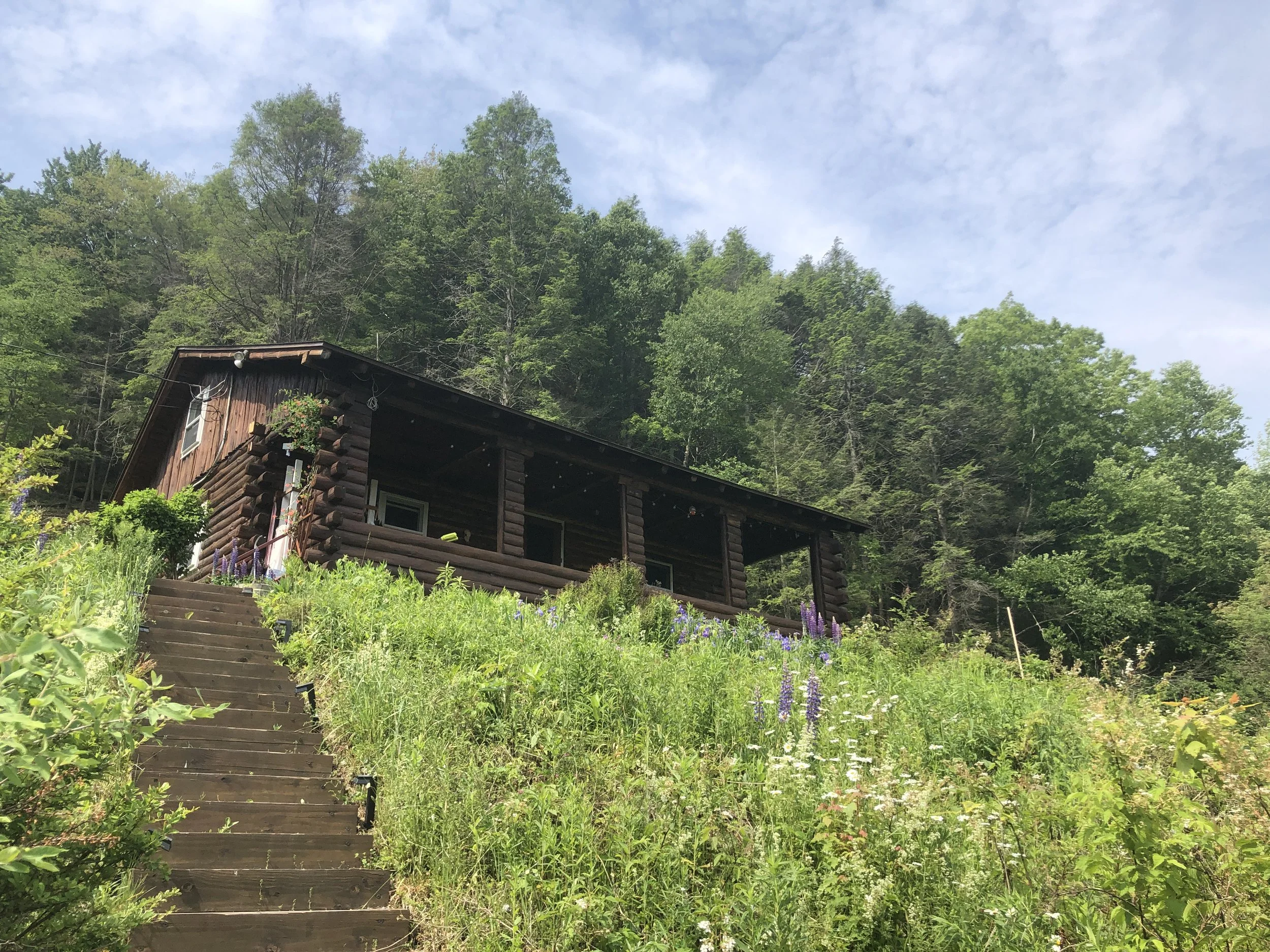
The project combines the renovation of a 1976 log cabin with the addition of a new volume oriented towards the sunset and the valley.

The challenges and opportunities of adapting the original log structure and embracing the north-west orientation became apparent early in the project. By extruding the shape of the existing cabin and setting the connection back from the front façade, it was possible to seamlessly merge old and new under one continuous roof, and optimise the materials, structure and thermal envelope of each of the two volumes.

The interiors are designed to bring natural light from the back of the structure to the front, and to suggest a sense of wonder as the scale of the spaces changes from room to room.
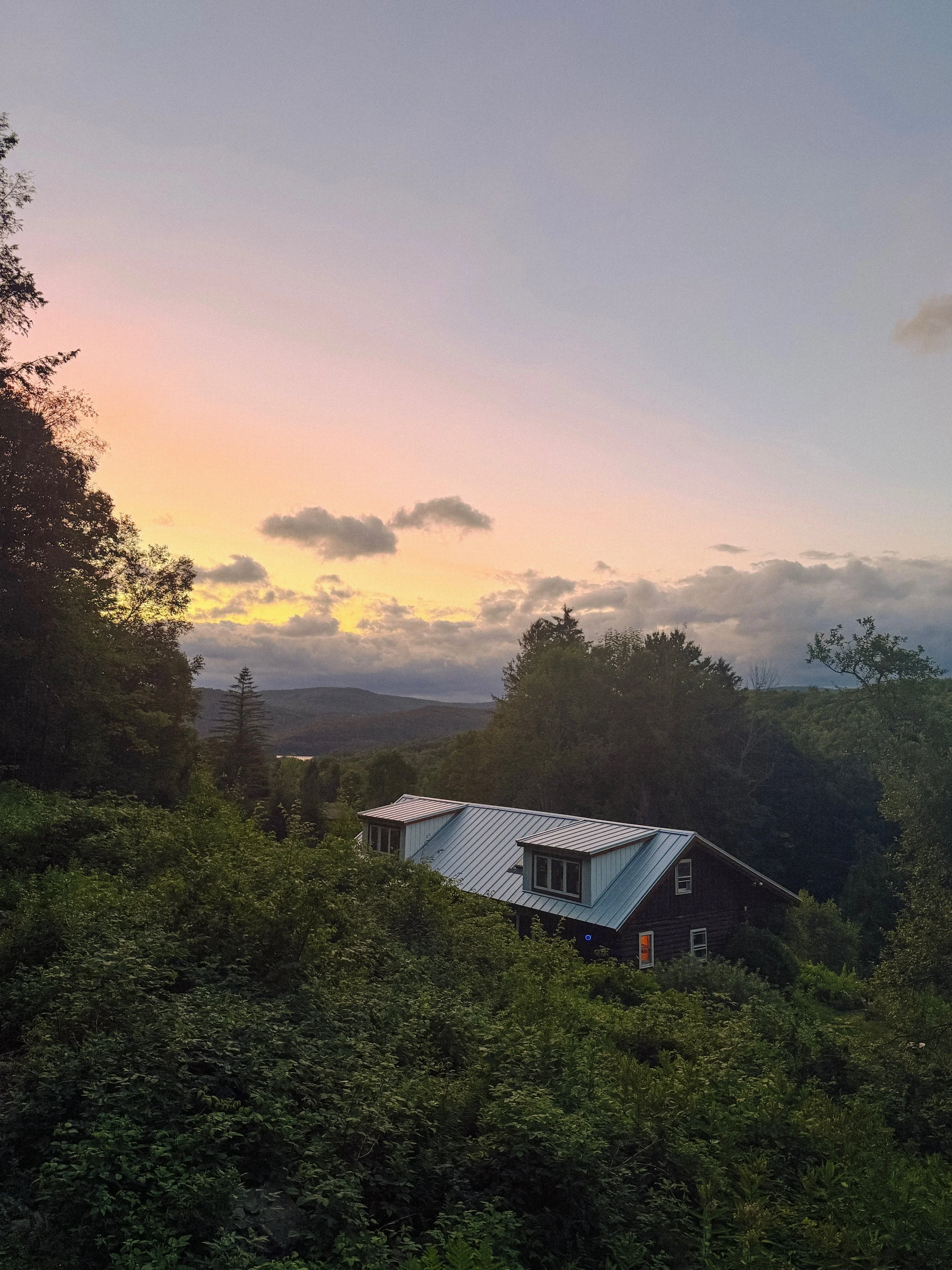


New addition and renovation of log-cabin

Architect
Studio STE

Location
Catskills • NY

Year
2022 • 2025

Photo © Renee Zalles


“I silently smiled at my incessant good fortune.”
― Henry David Thoreau, Walden


CRETE • GREECE

Nathalie Pozzi


Interior renovation
and new residential addition to an existing home

In progress

Location
Crete • Greece

Year
2020 • in progress

Collages
Carolina Andrade / Ciudad Análoga

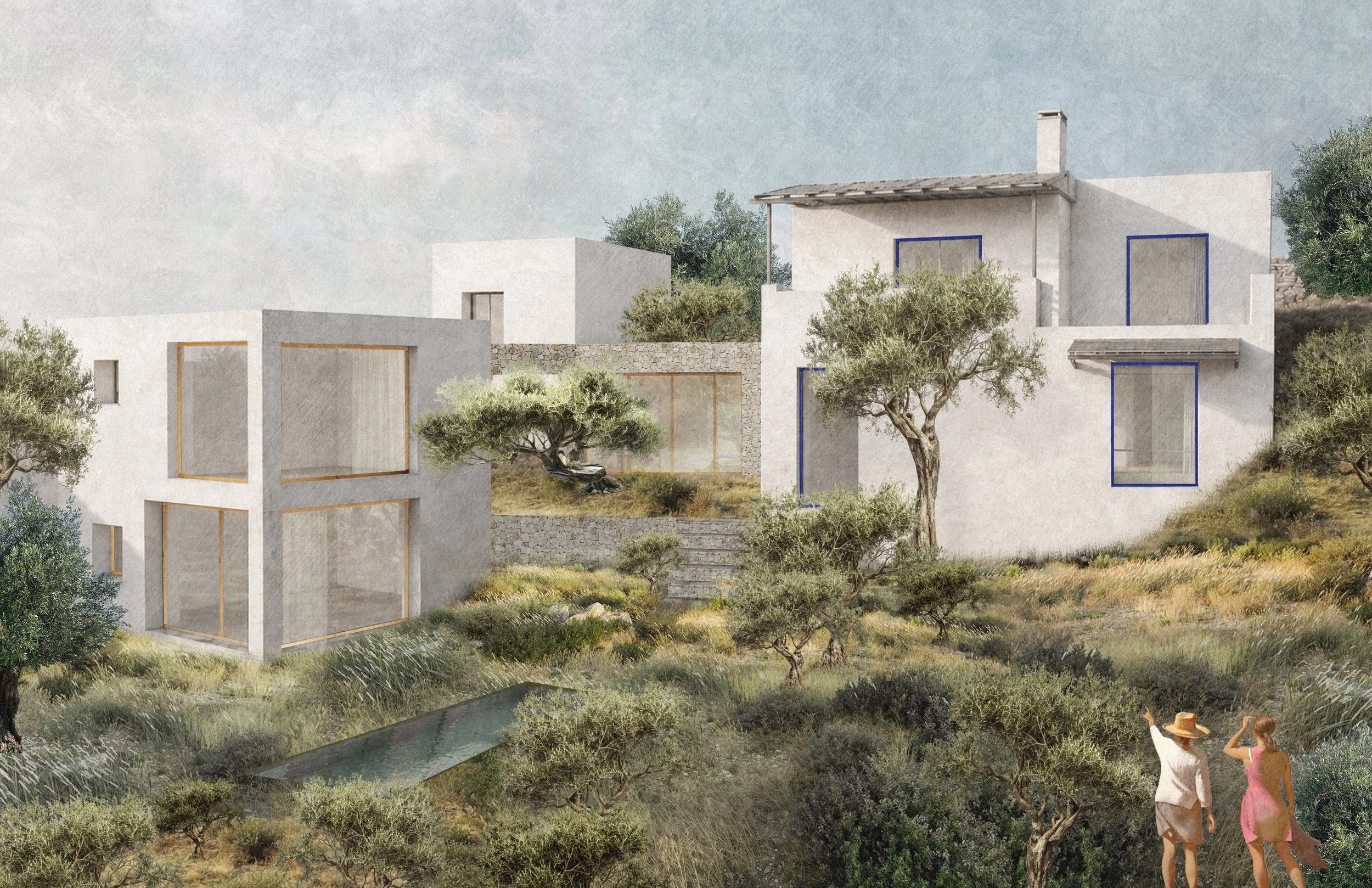
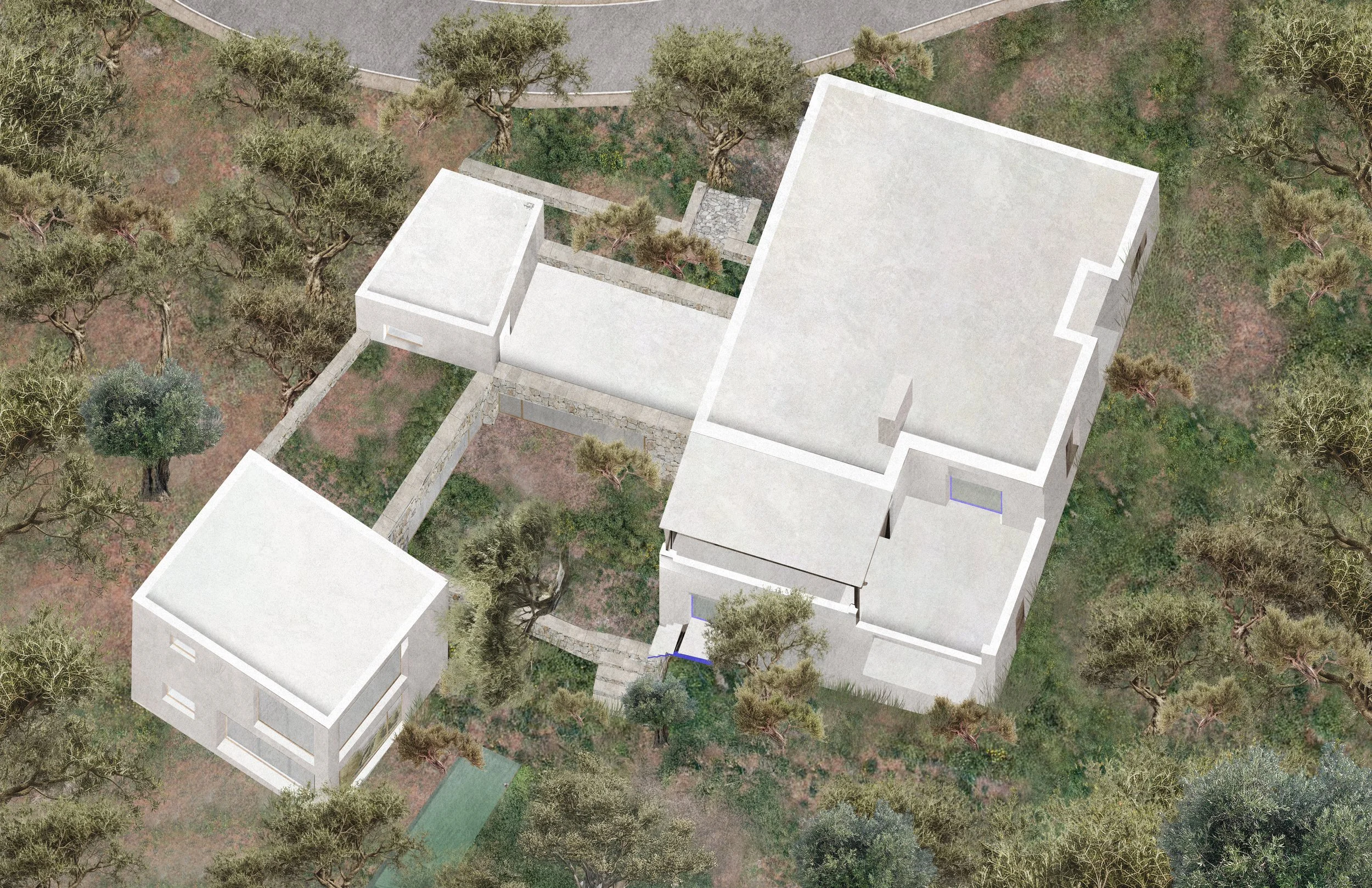
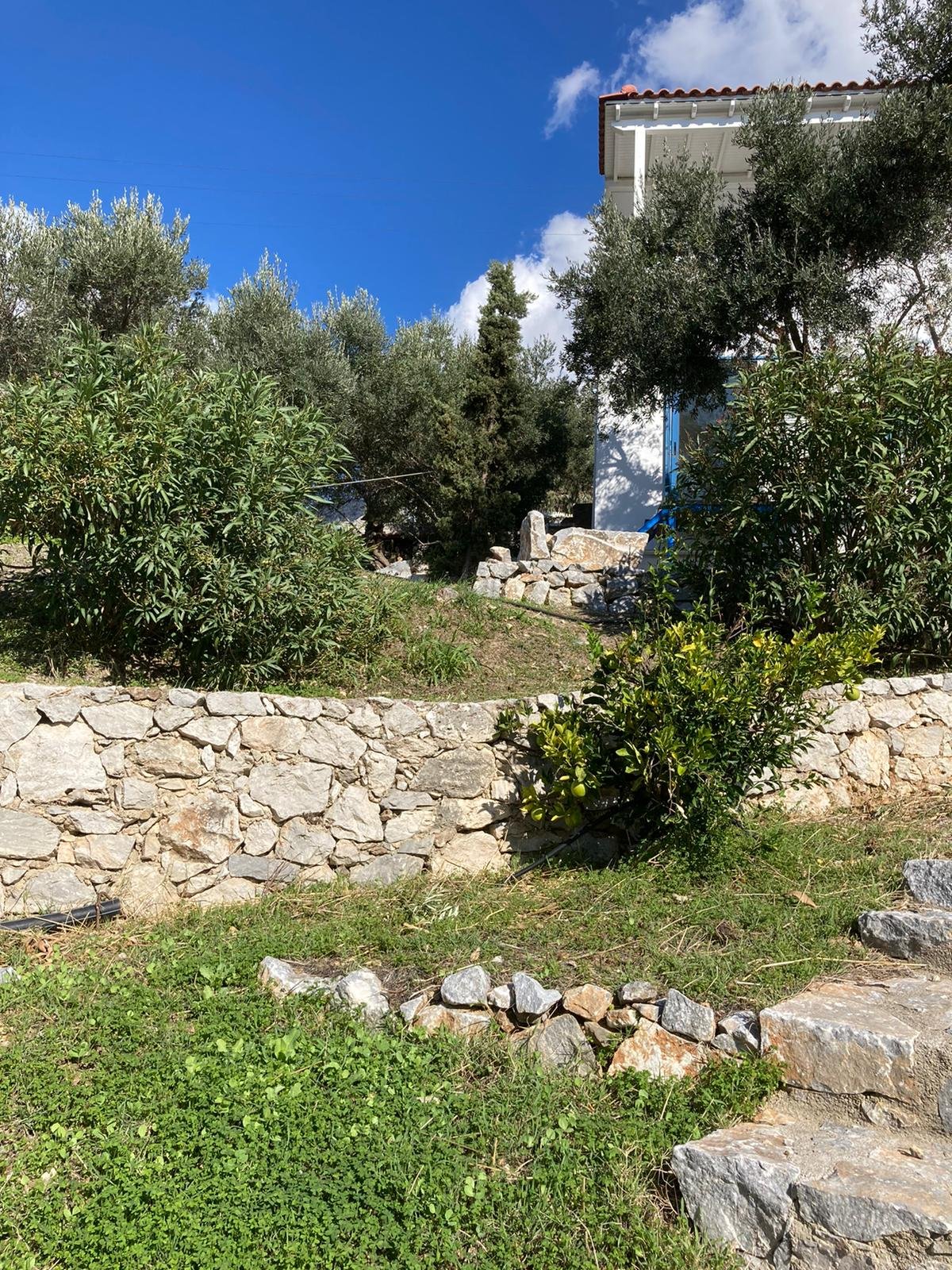
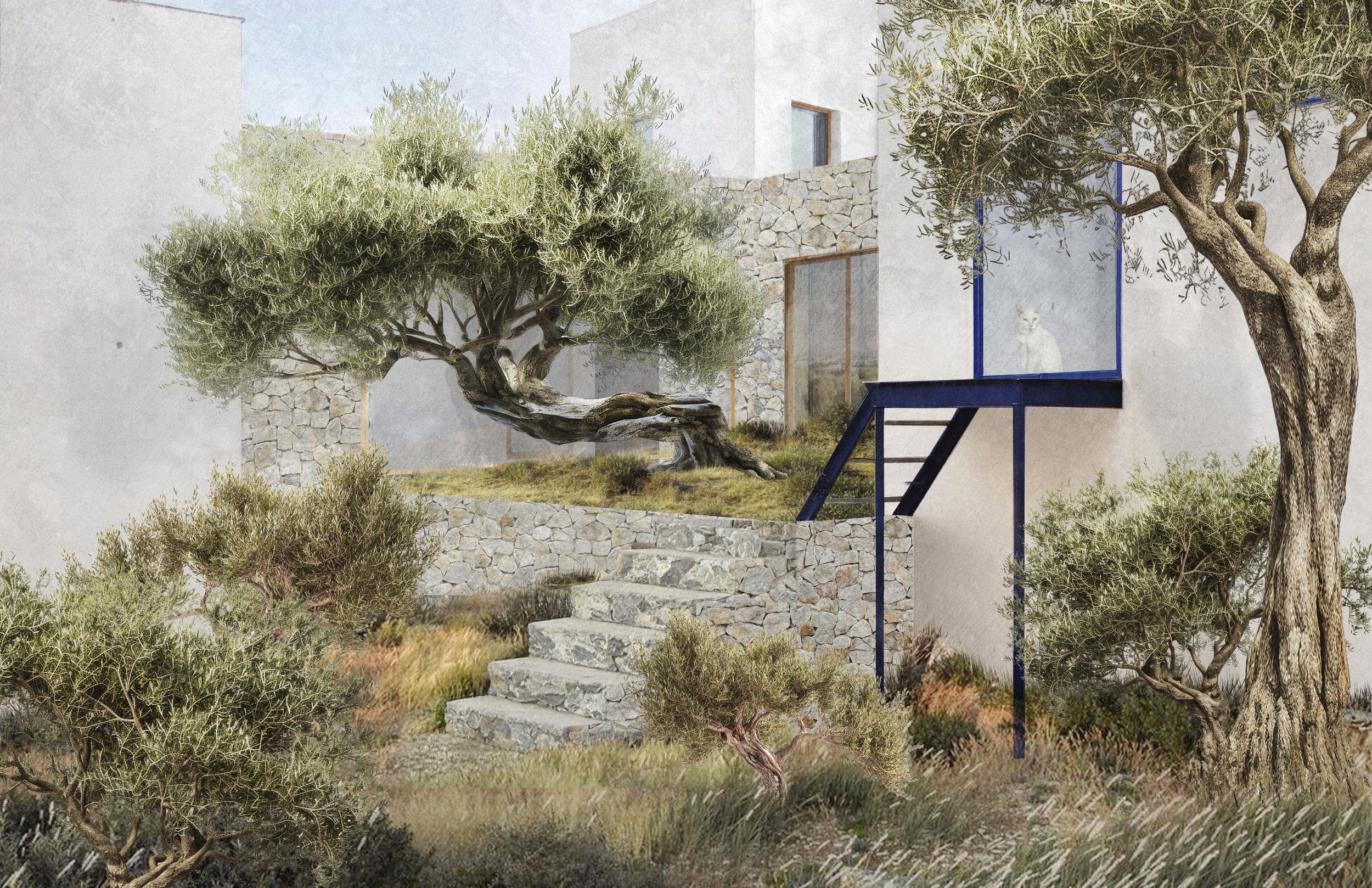
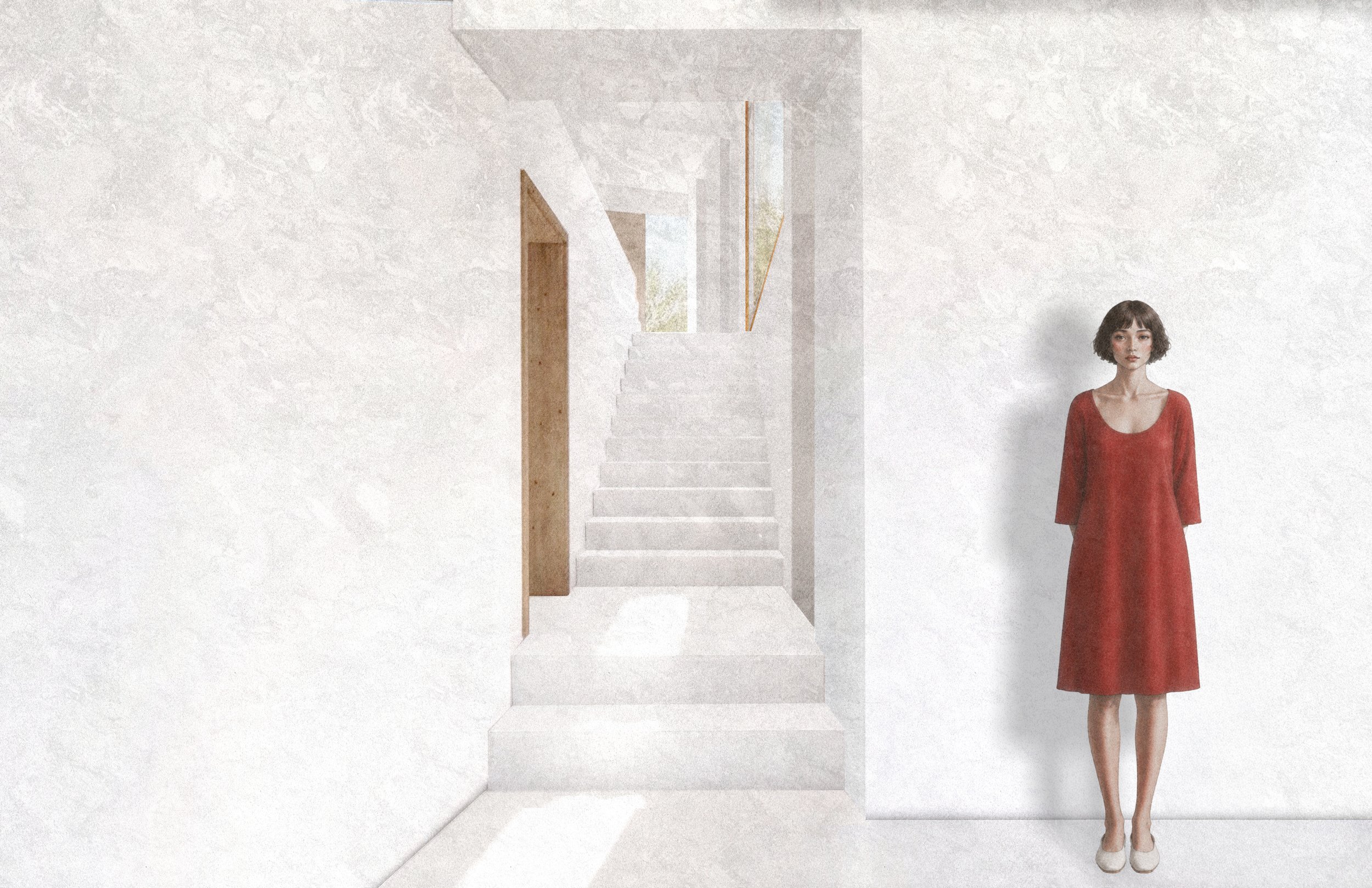
The project involves the renovation of an existing house and the addition of a new home on the same property. Together, the two structures unfold along the mountain slope through a series of interconnected levels, terraces, and courtyards.

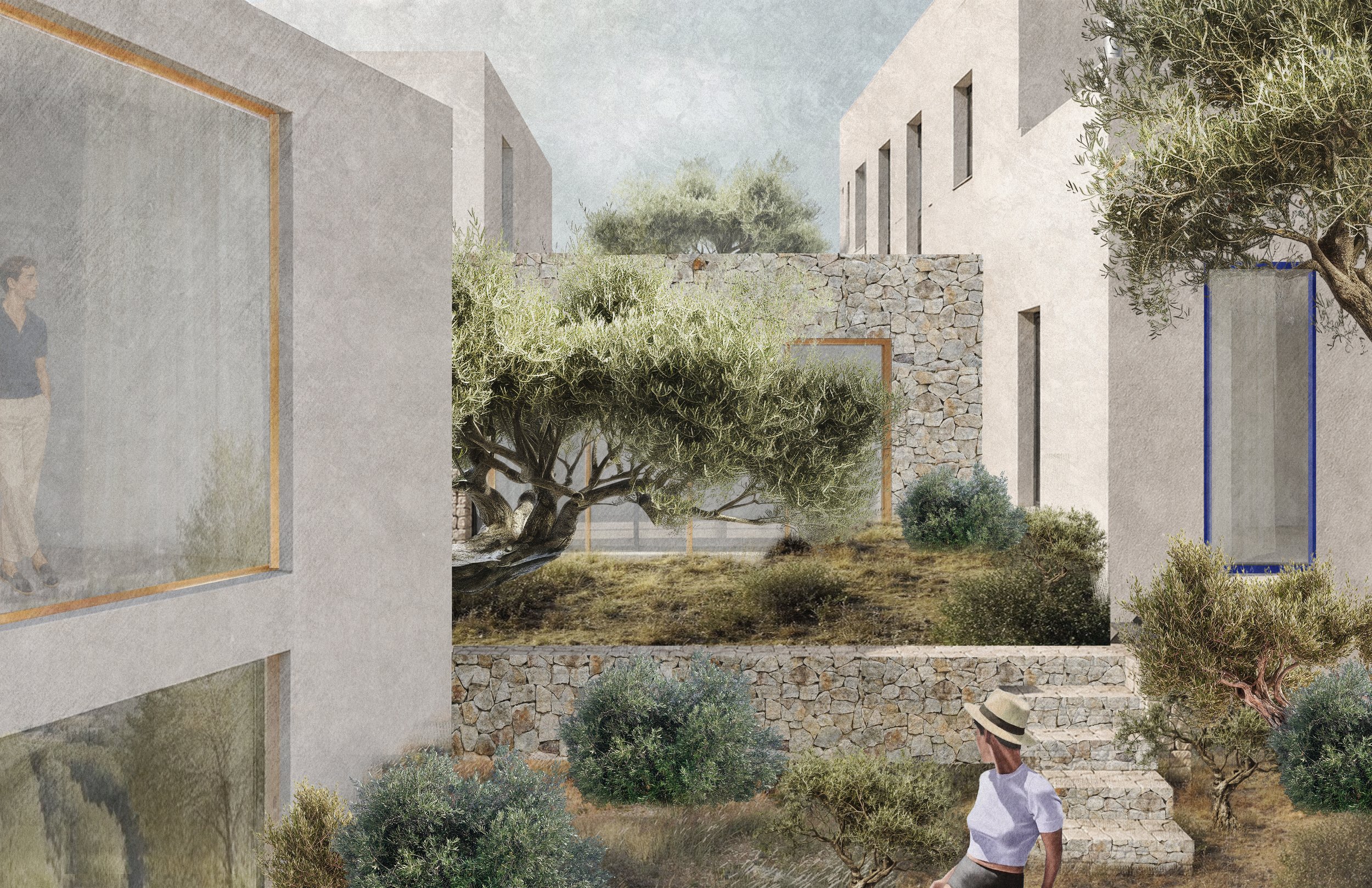
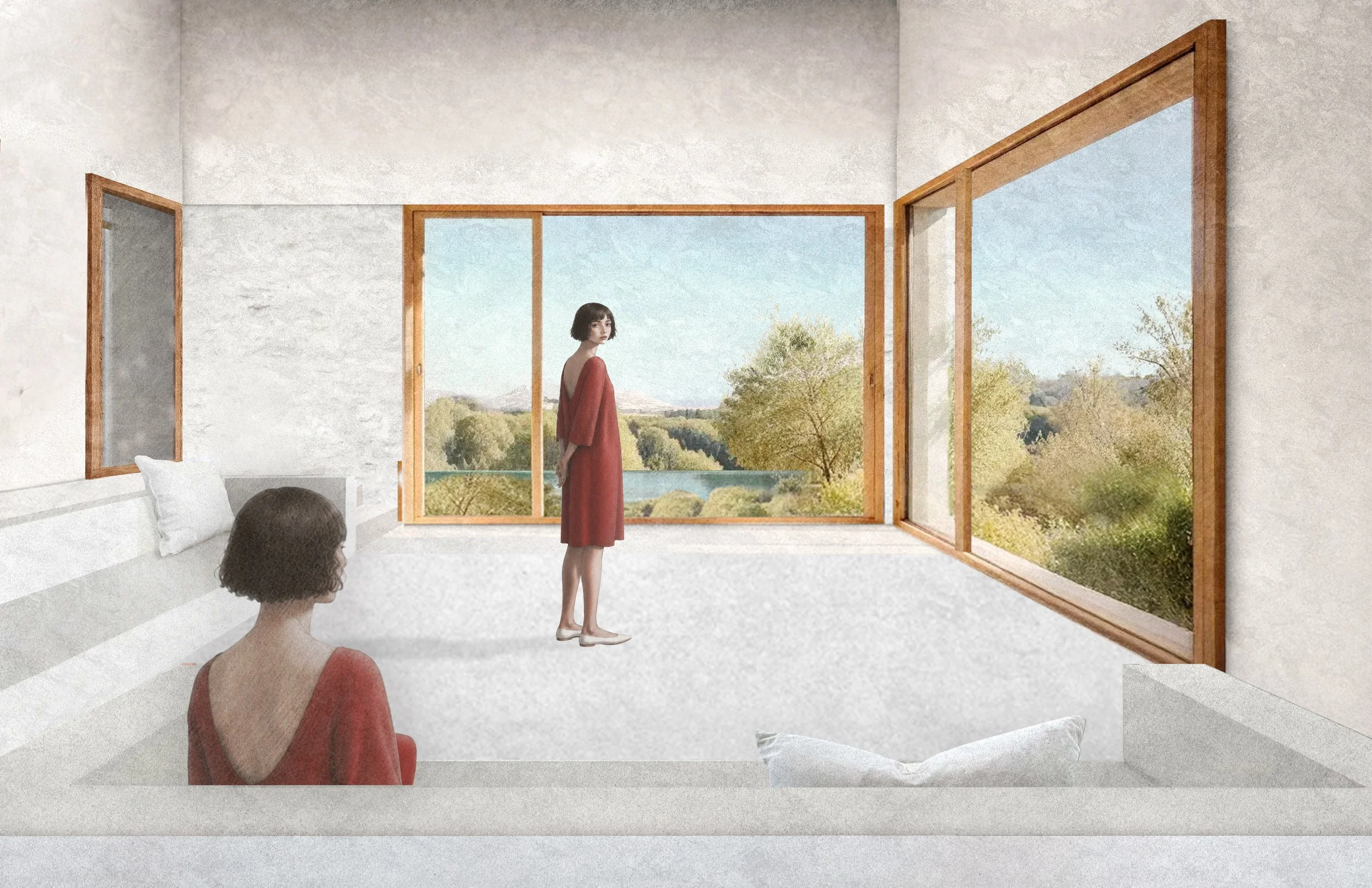
Existing olive trees become anchors within the composition, while openings frame views across the Cretan landscape. Rather than sitting on the site, the architecture follows its topography, creating a sequence of indoor and outdoor spaces embedded in the terrain.


The structural frame is in concrete, while the walls are built in local stone — a combination that reflects both the seismic requirements of Greek building regulations and a deeper logic of place. On an island where the delivery of materials carries a significant logistical and environmental cost, using what the land already provides is both a practical and ethical choice.


The openings are designed as a sequence of depths. From inside, the eye first settles on the olive trees, close, familiar. Then the valley opens up, wide and unhurried, falling away toward the coast.

The same view shifts throughout the day, and from room to room, as the framing changes and the distance reads differently each time.


Reference • Convent • Crete

Reference • Convent • Crete


MAISON BÉRARD · ALPS

Nathalie Pozzi


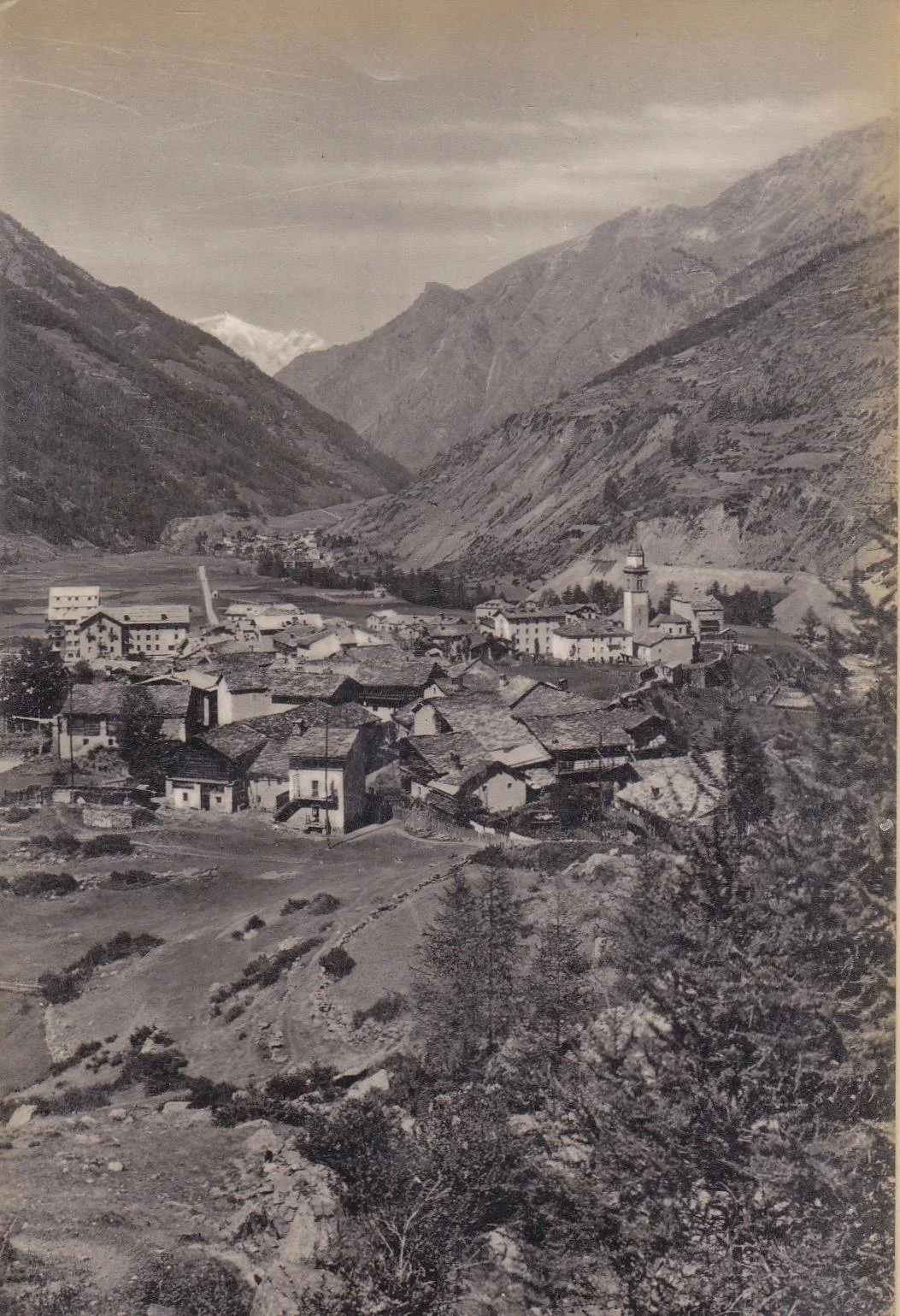
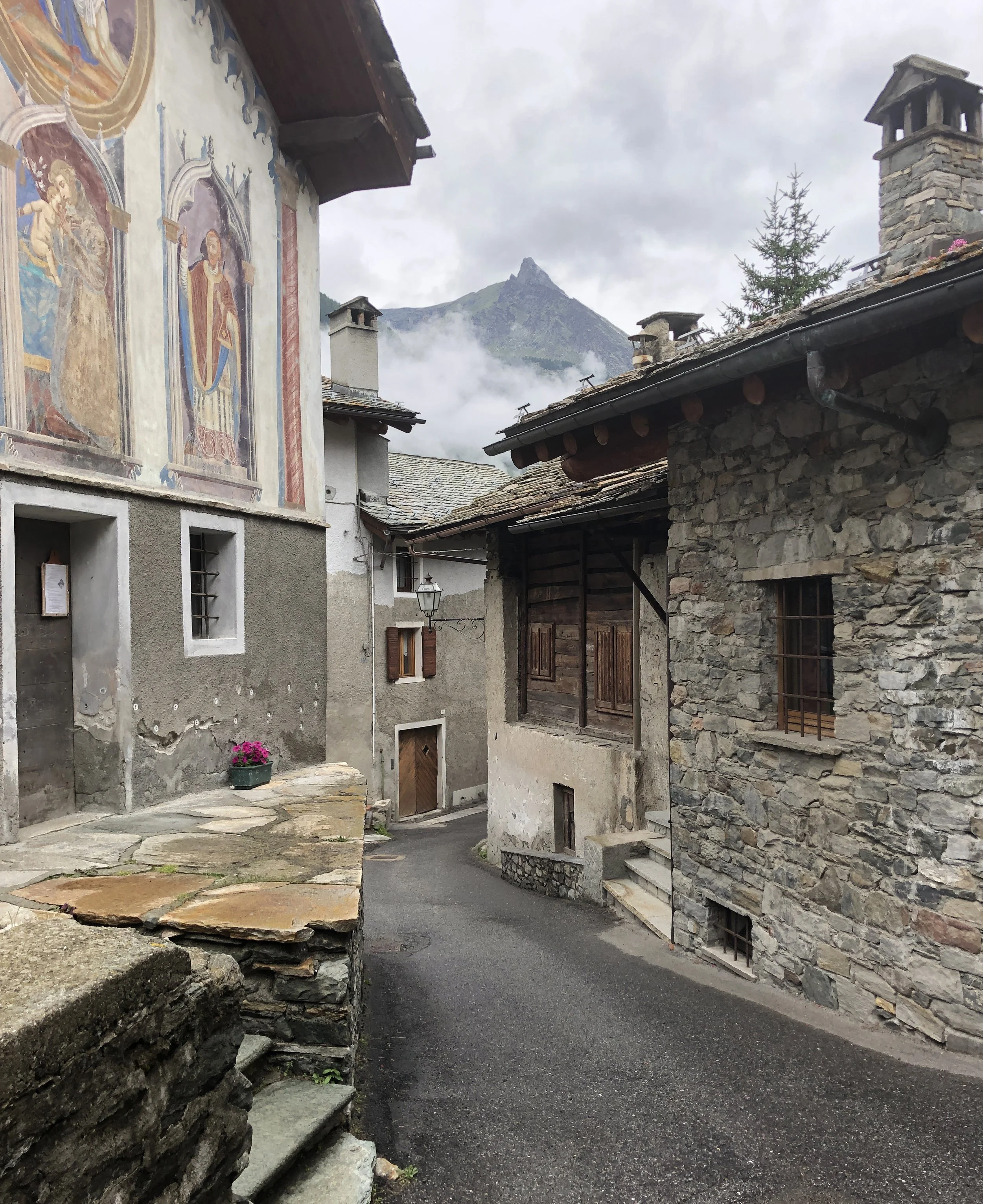
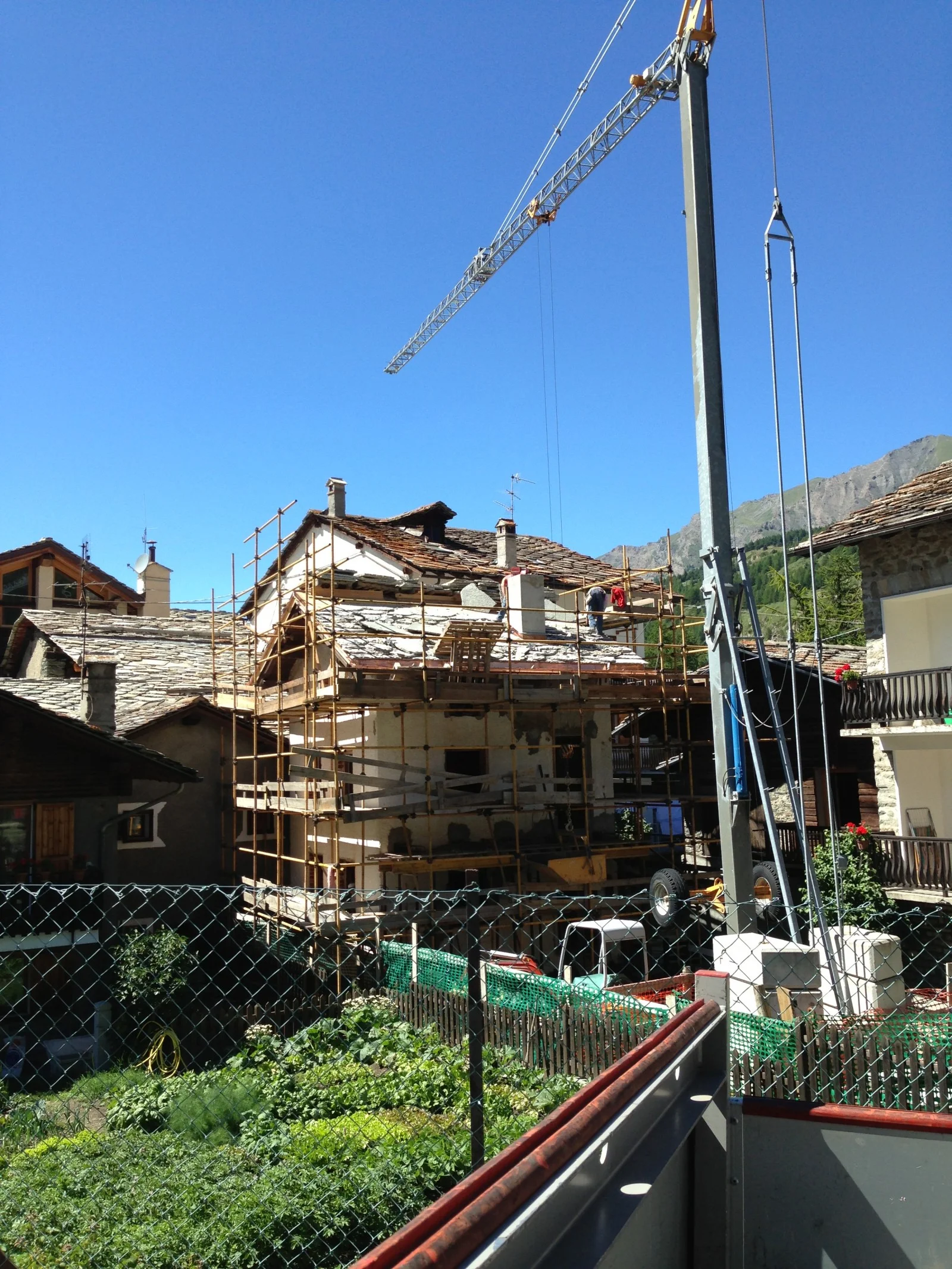
The building sits in the old core of the village, adjacent to a dense forest. It was constructed in the 1950s, following a traditional Alpine “tower house” model, and was later renovated in the 1980s.

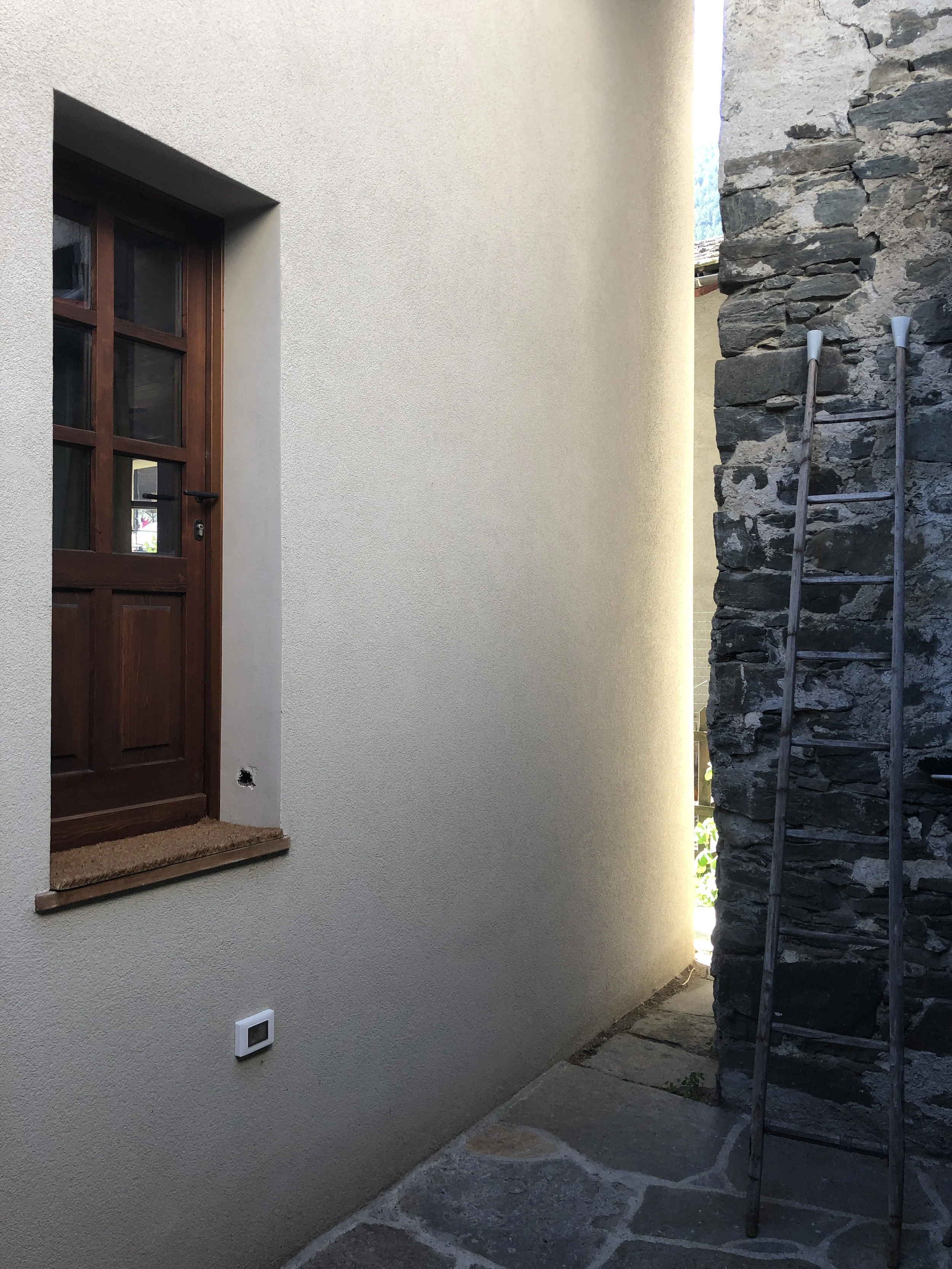
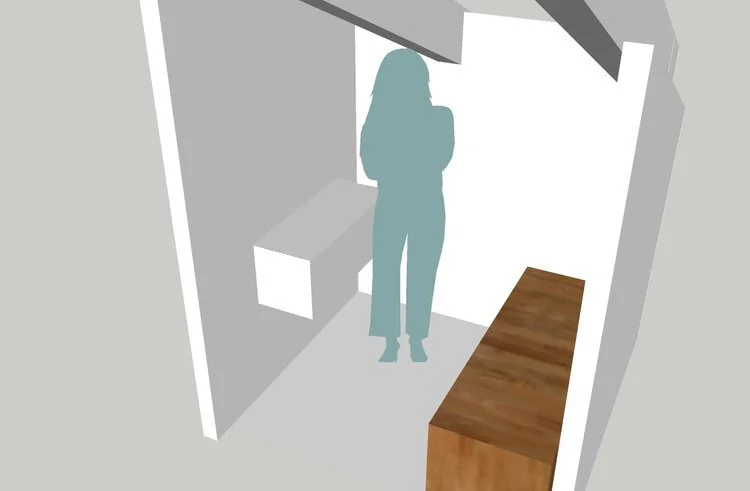
The renovation maintains the existing features and oddities of the original 1950s structure. The ceilings are low (barely 200 cm in places), and the rooms and windows are small. Yet everything is well-proportioned to the overall modest footprint of the house: 5.5 by 5.5 meters.

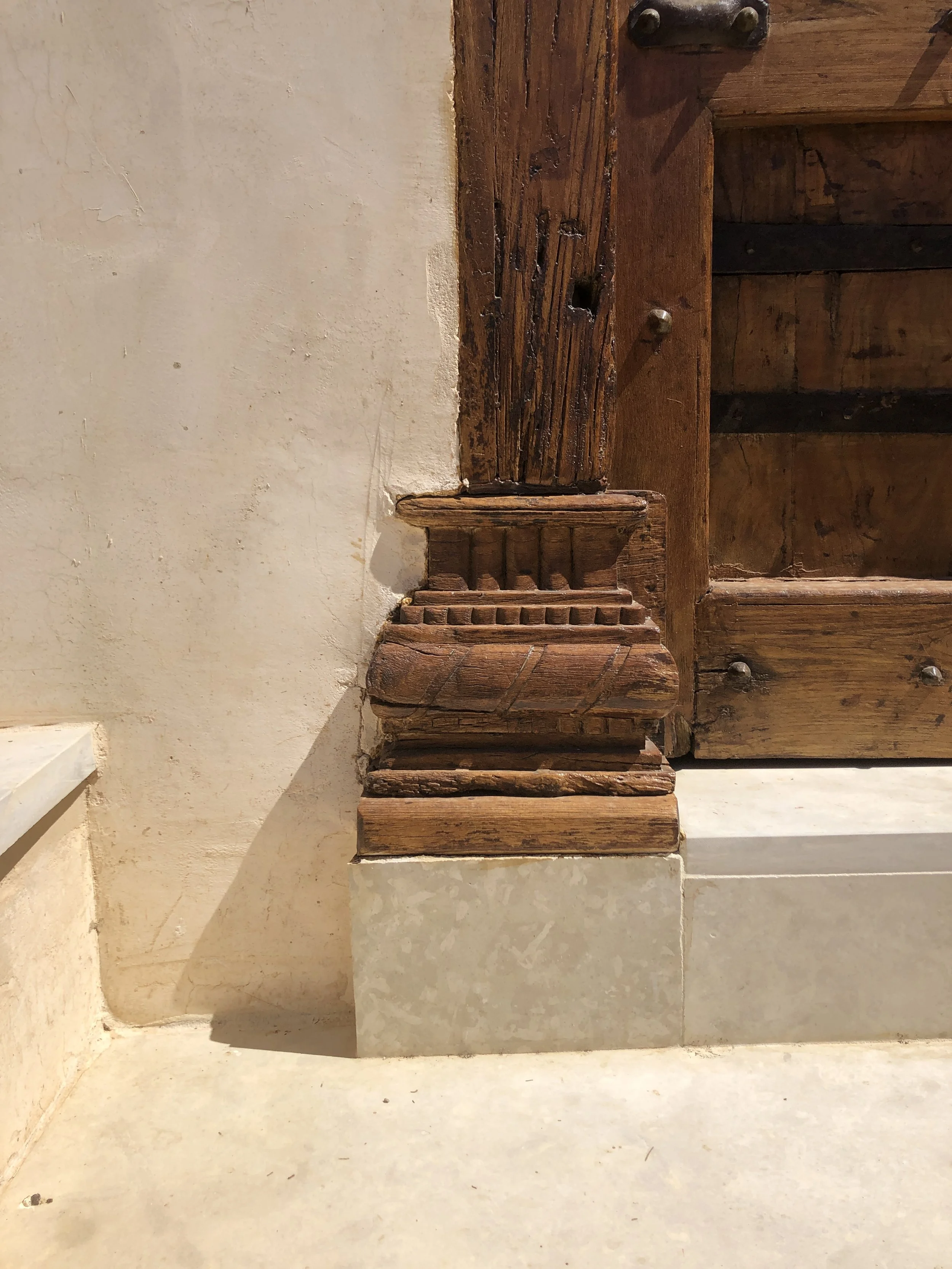
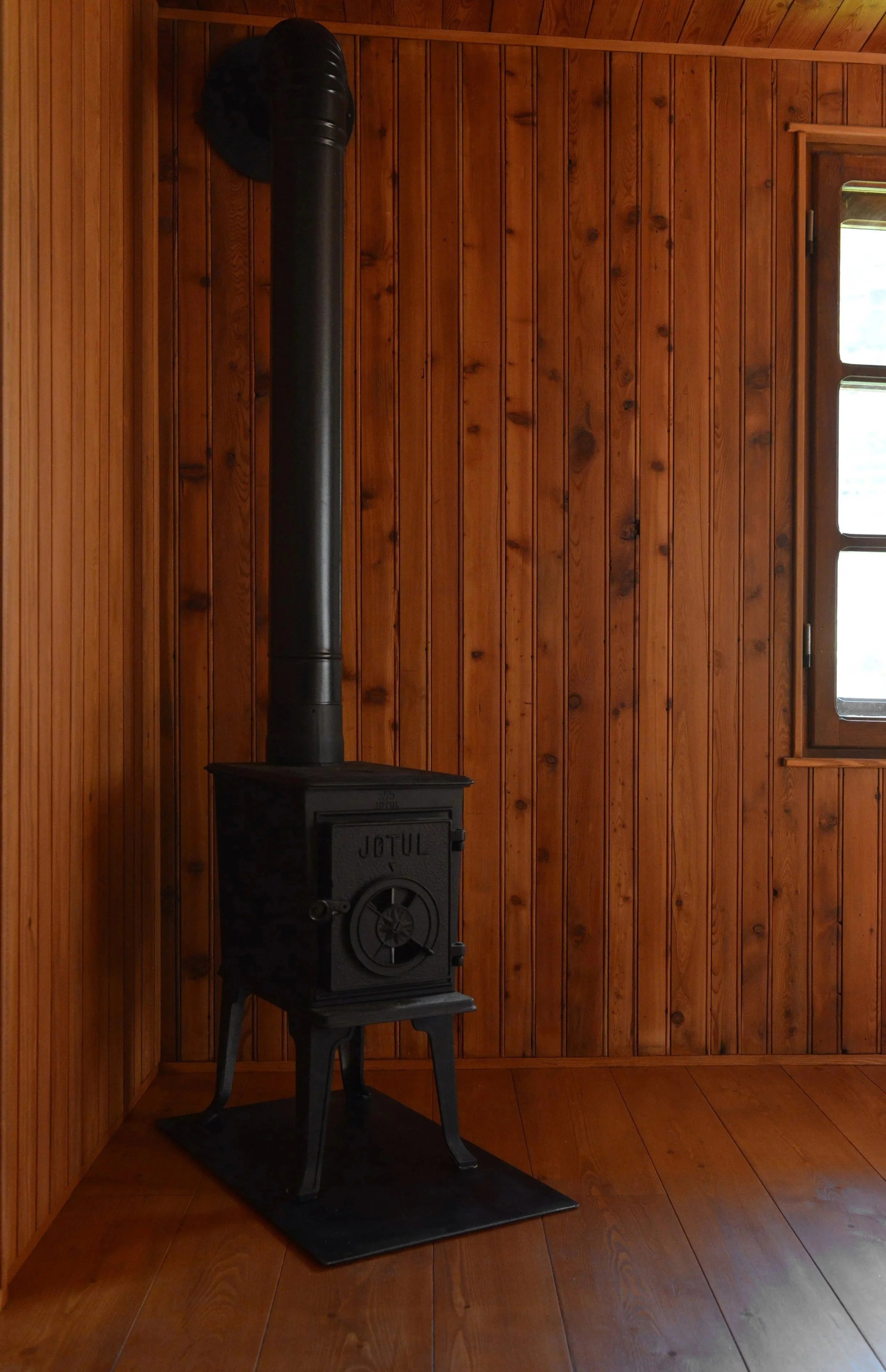
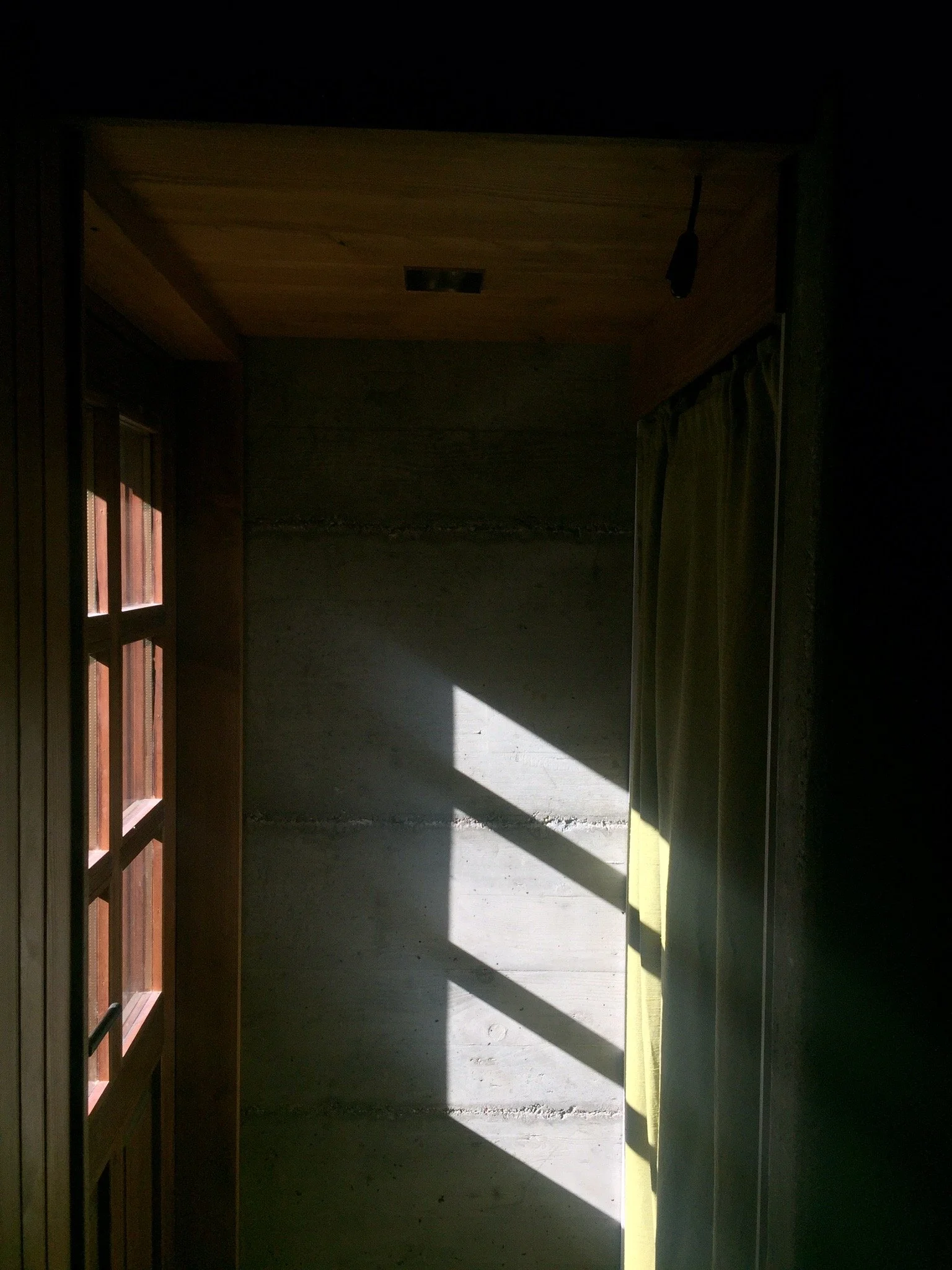
New elements introduced to the building include thin white steel stairs that connect the three upper levels and basement, integrating the overall space. Two added skylights bring in soft and diffuse interior light. The interior wood paneling and the original windows in dark reddish larch evoke a strong feeling of warmth, in this region of long, cold winters.

The renovation results in a home that combines contemporary elegance and subtlety of detail, while honoring the quiet strength of the original dwelling and the way it transitions from the social life of the village to its surrounding natural environment.


Renovation of an Alpine dwelling

Status
completed

Location
Cogne · Italy

Year
2013 design development
2016 first phase
2019 completed

Photo:
Paolo Rey


150717_ESTERNO_S.jpg
 
PR3_0178-2000x2997.jpg
PR3_0173-2000x1335.jpg


COGNE66_SECTION-e1443099108531.png


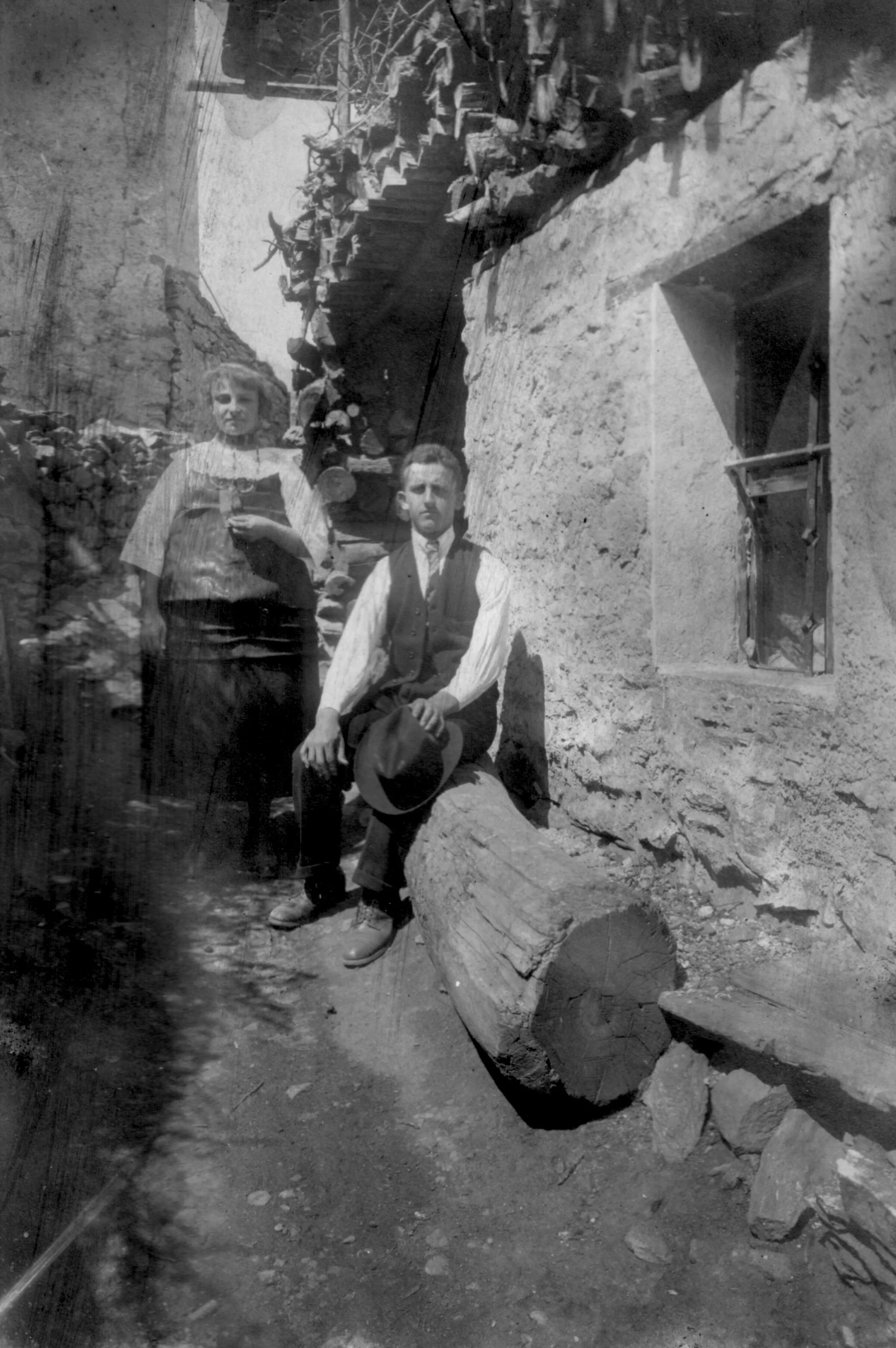
Cogne. Photo: Unknown. Courtesy of AMC (Associazione dei Musei di Cogne).


PR3_0237_LANDING-2000x2997.jpg
PR3_0216-2000x2997.jpg
PR3_0264-2000x1335.jpg
PR3_0259_STAIRS-2000x1335.jpg


C66_BAIN_A-1600x1127.png
C66_BAIN_B-1600x1128.png
 
 
PR3_0155-2000x1335.jpg
PR3_0161-2000x1335.jpg

Cogne is a historic mining village, shaped by its iron ore extraction and the hydroelectric power plants built to support it, and the design draws on that industrial heritage in a direct way.


Driven by efficiency, the walls are insulated with calcium silicate panels, and electric floor heating keeps the house warm through the Alpine winters - powered by the same hydroelectric infrastructure that once ran the mines, and complemented by the warmth of traditional wood fire stoves.

This industrial logic also shapes the architecture itself. The thin white steel stairs and bookshelves that connect all levels of the house echo the character of the valley, where steel was both a raw material and a structural language.

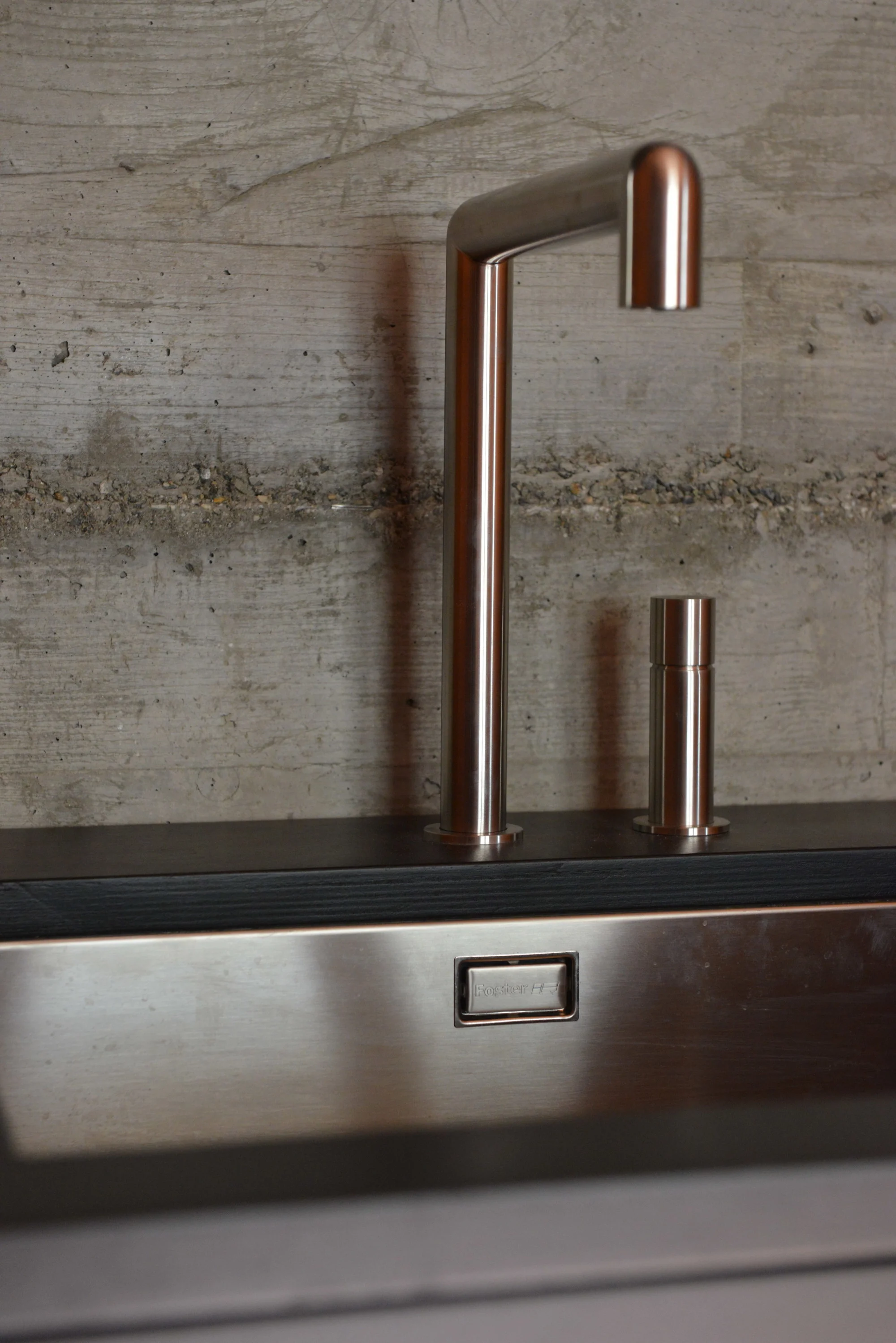
A simple outdoor element extends the project's dialogue with the industrial history of the valley. The outdoor fountain is made from refurbished steel pipes, originally part of the hydroelectric power plants that served the mines. Recovered and reassembled, they bring a piece of the valley's industrial past into the domestic garden, connecting the house to the broader history of the landscape around it.


"La montagne est ma mère."
Jean Giono, Voyage en Italie


MAISON BÉRARD · ALPS • IN PROGRESS

Nathalie Pozzi


The building sits in the old core of the village, adjacent to a dense forest. It was constructed in the 1950s, following a traditional Alpine “tower house” model, and was later renovated in the 1980s.

The renovation maintains the existing features and oddities of the original 1950s structure. The ceilings are low (barely 200 cm in places), and the rooms and windows are small. Yet everything is well-proportioned to the overall modest footprint of the house: 5.5 by 5.5 meters.

New elements introduced to the building include thin white steel stairs that connect the three upper levels and basement, integrating the overall space. Two added skylights bring in soft and diffuse interior light. The interior wood paneling and the original windows in dark reddish larch evoke a strong feeling of warmth, in this region of long, cold winters.

The renovation will result in a home that combines contemporary elegance and subtlety of detail, while honoring the quiet strength of the original dwelling and the way it transitions from the social life of the village to its surrounding natural environment.


Renovation of an Alpine dwelling

Status
2013 design development
2016 first phase
2019 completed

Location
Cogne · Italy


C66_SEZIONE-e1390870656268.jpg
storage
 
C66_CUCINA.jpg
 
 
C66_BAIN_A-1600x1127.png
C66_BAIN_B-1600x1128.png
 
C66_AA-1600x2133.jpg
C66_DD-1600x2133.jpg
 
C66_G-1600x2133.jpg
C66_H-1600x2133.jpg
 
 
C66_I-1600x1200.jpg
 
C66_TETTO_A-1600x2133.jpg
C66_LUCERNARIO.jpg
C66_TETTO-1600x1228.jpg
C66_LUCERNARIO_VETRO-1600x463.jpg

DRIFT

Nathalie Pozzi


DRIFT is a game that takes the form of a building. This is no accident: the constraints of Sukkot building construction very much resemble the rules of a game.


Soft cotton felt modular shapes, set within a wandering lattice, suggest the fabric of temporary tent dwellings. The game of DRIFT uses this wall and ceiling grid as a game board labyrinth where players seek each other, drifting across the structure.

Traditionally, a Sukkah exists within an established domestic sphere. But the inhabitants of Sukkah City will be strangers. DRIFT uses play to bring its urban visitors together, weaving new social bonds as they explore, meet, and share with each other.


Large-scale physical installation

Status
Proposal

Competition
Sukkah City: NYC 2010

Venue
Union Square NYC

Collaboration with
Designer Clara Klein
Game designer Eric Zimmerman

Year
2010


DRIFT_ELEV.jpg
DRIFT_PLAN.jpg


Suggested play

Two or more visitors stand far apart.
Each player begins by touching a blue oasis object. Your goal is to encounter another player at an oasis.

Drift by traveling along the grid in a continuous line, tracing a path with your finger. When you reach an oasis or an edge, stop moving, change direction and begin traveling again.

When you and another player arrive at the same oasis, you win. Remove the oasis from the wall and share something with each other: some food, a secret, or perhaps just a laugh.

When you are finished, place the oasis in a new location.


DRIFT_BOARD-1000x578.png
 
DRIFT_tot-1000x750.jpg
 

SONVEULLA HOUSE · ALPS

Nathalie Pozzi


Sonveulla House is a well-preserved traditional Alpine dwelling with mixed living and farming functions.

In winter, the hay was stored above the living areas and thus served as insulation. Traditionally, animals provided additional warmth to the home. The main living room was divided from the cows’ stable by pivoting walls only, and the sleeping area was shared with sheep.

The project combines the renovation of the original wood and stone structure and the rehabilitation of the existing living areas with the construction of a new volume within the hayloft. In contrast with the highly defined functions of the existing rooms, the new volume in the hayloft is a neutral space – adjustable to the evolving working and living requirements of its current inhabitants.


sonveulla_site-copy-e1385495169987-1200x953.jpg
 

Preliminary concept development for the restoration of an eighteenth century rural house

Status
Proposal

Collaboration between
Koji Hashimoto · Aya Nakamura · Nathalie Pozzi

Drawings by
Aya Nakamura

Location
Italian Alps

Status
in progress


drawing-Koji-e1385495285232.jpg
SALA_1_bw-1038x700.jpg
 
 
SALA_2_bw-1103x700.jpg
 
fireplace1-700x700-e1385495732604.jpg


LASTU SUMMER SAUNA · FINLAND

Nathalie Pozzi


As part of the Wood Program at Helsinki University of Technology, the Lastu Sauna concept originated with architect Peter Westerlund and was developed by a team from the Wood Program.

In addition to general creative contributions and construction work, project responsibilities focused on the design of the outer skin of the building, which is designed to both screen and reflect light.


Design development and construction of a modular summer sauna.

A project part of the Wood Program · Helsinki University of Technology

Design
Peter Westerlund (Finland) with Adam Guernier (Australia), Nathalie Pozzi (Italy), Isshin Sasaki and Koji Hashimoto  (Japan), Max Lönnqvist (Sweden), Sevra Davis and Nathaniel Moore (Usa).

Location
Fiskars · Finland

Year
2003

wp_sauna-copy-1000x710.jpg
fiskars331.jpg
 
 
wp_drawing-1000x784.png
 
pw_sauna_PERSPECTIVE-1000x1333.jpg
puustudiosauna2-589x449.jpg
 

Lastu Sauna is built along the Fiskars River. The entire structure is a single wall, curled like a wood shaving.

The flow of the wall leads bathers through the sauna, taking them from the bright light of an open terrace to the dim illumination of an enclosed sauna built out of solid wood.

As it transforms from open to being enclosed, its grid-like wood wall divides the building into functional areas: a terrace, a changing room and a sauna.

The sauna is built of 1”x4” spruce boards. The planks have been fastened at their joints by four hot-dipped galvanized machine nails. The high number of joints ensures the structural integrity of this small building.

The inner surfaces of the wall structure are planed boards and the outer layers are fine-sawn. The building has been finished with a white, oil-based wood preservative.

The open wall of the terrace is built from three layers of wood, and the solid-wood walls of the sauna are constructed out of seven distinct layers of wood.


SAVU SAUNA · FINLAND

Nathalie Pozzi


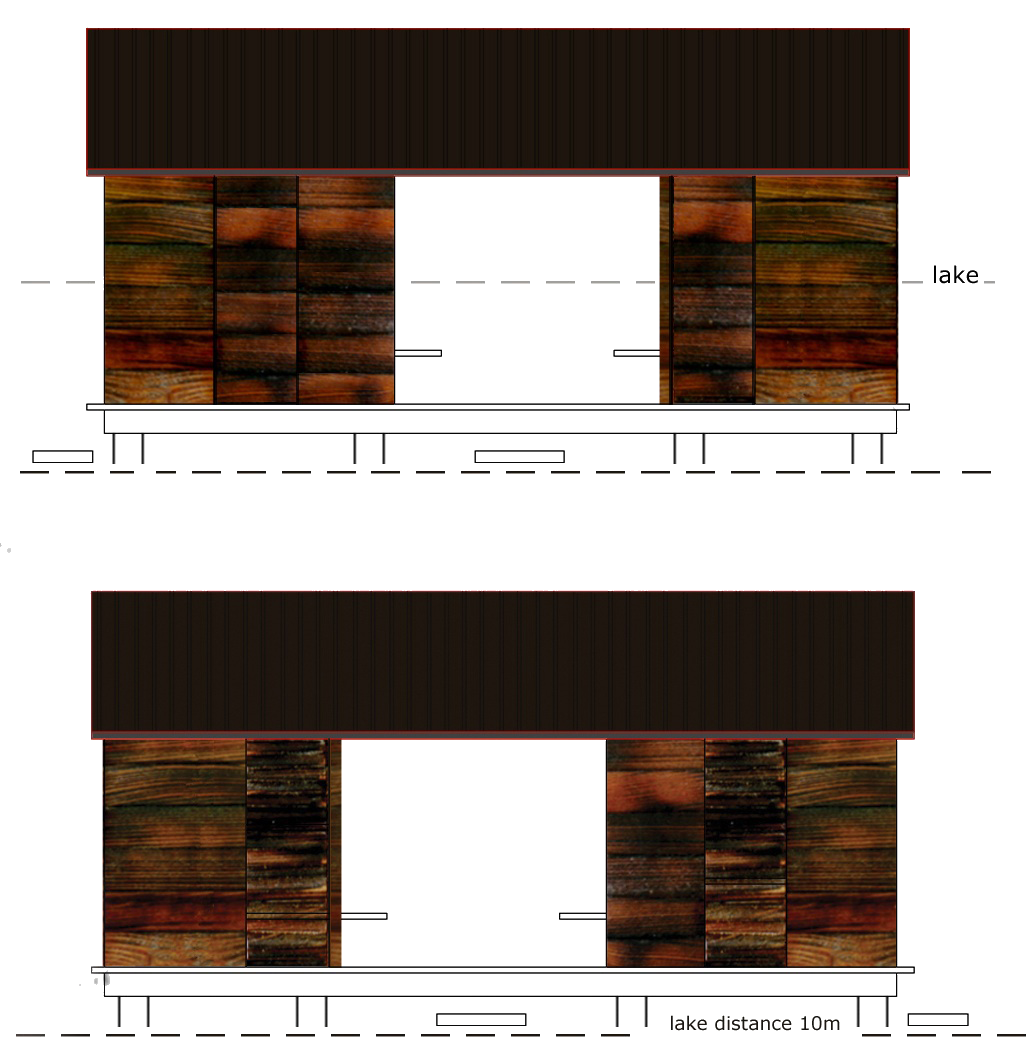
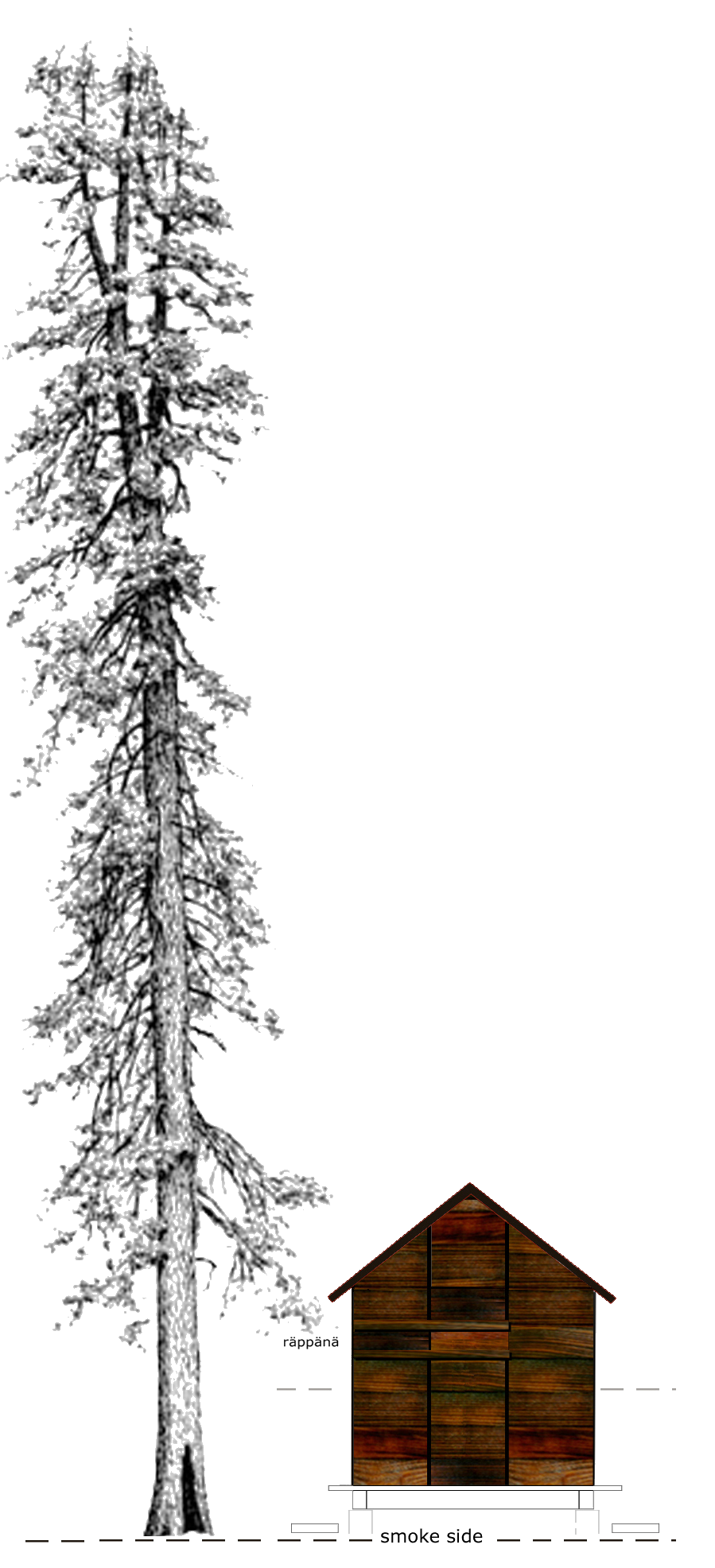
Savusauna (Smoke Sauna) is a dark and massive wooden hut. The project focuses on the synthesis of smoke, water and sunlight.

The fulcrum of the sauna is a covered terrace that separates the pristine dressing room from the charcoal of the sauna room. A gable roof, covered by dark, oil-treated metal panels, encloses and shades the terrace. Bench-beds on either side of the terrace allow bathers to view framed panoramas of the lake beyond.

The interior lighting of the sauna, regulated by a sliding louver, is low and concentrated. In contrast, the light in the dressing room is bright and diffuse. The exterior cladding is made from tar treated horizontal timber boards.

As the sauna ages, the natural decay of the exterior wood surface will give it a rich tactile and visual texture.


Savu Sauna was exhibited in Fiskar · Finland


SAUNA_MODEL.png
 

Sauna Concept

Academic Institution
Wood Program · Helsinki University of Technology

Location
Helsinki · Finland

Year
2003


sauna_bw.jpg
SAUNA_SIDE_ELEV.png
SAUNA_SIDE_ELEV_TREE.png

PETIT SAINT BERNARD · ALPS

Nathalie Pozzi


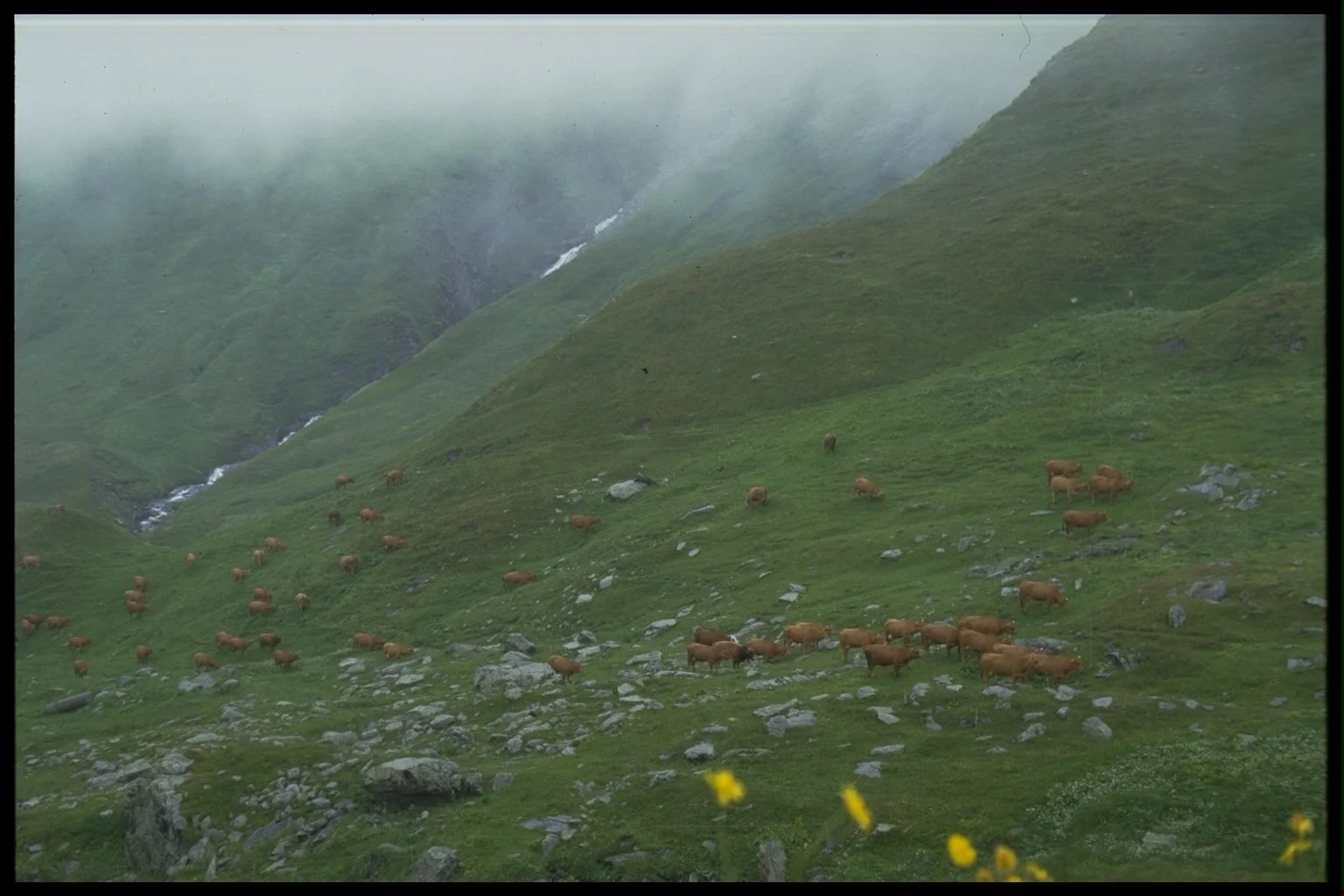
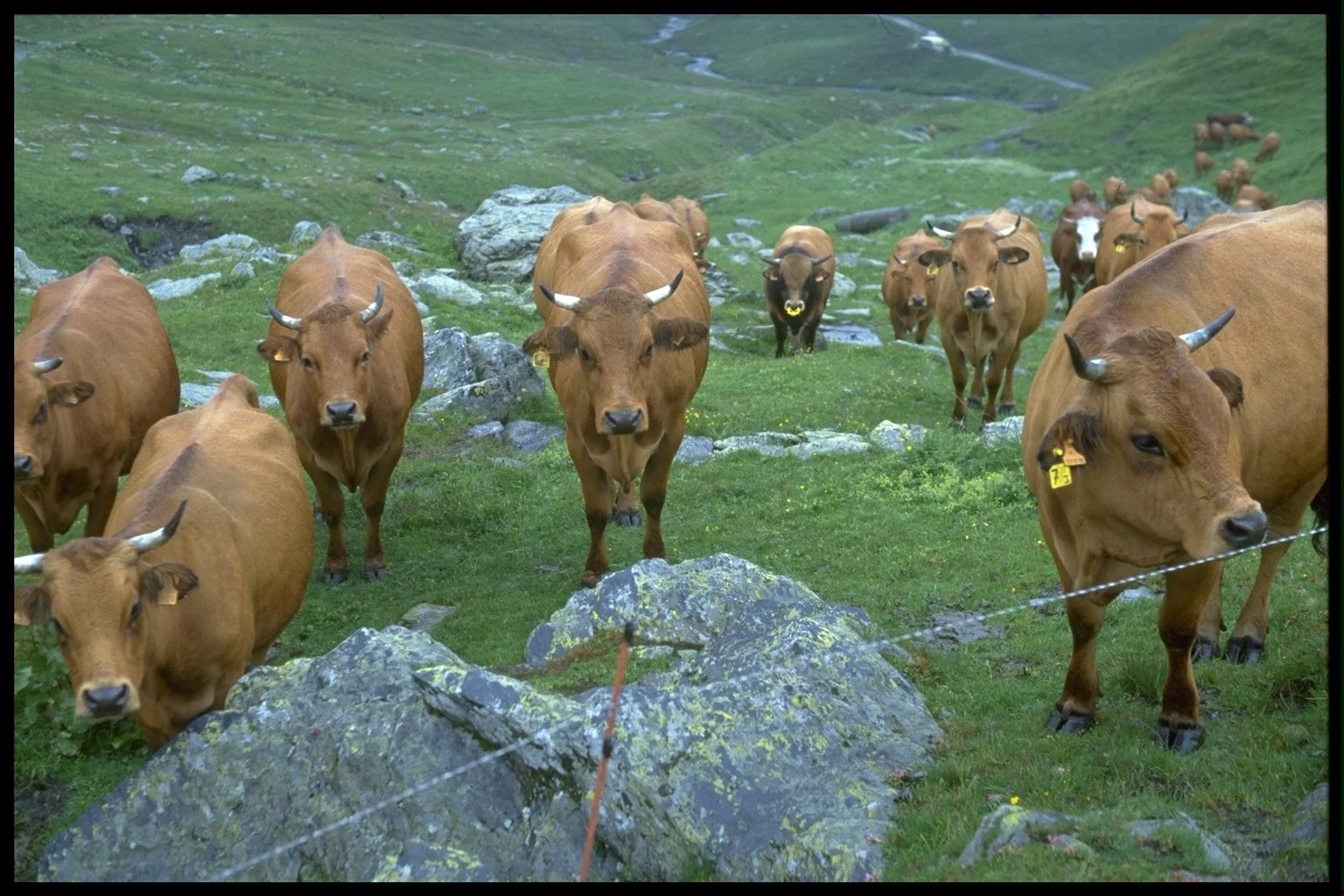
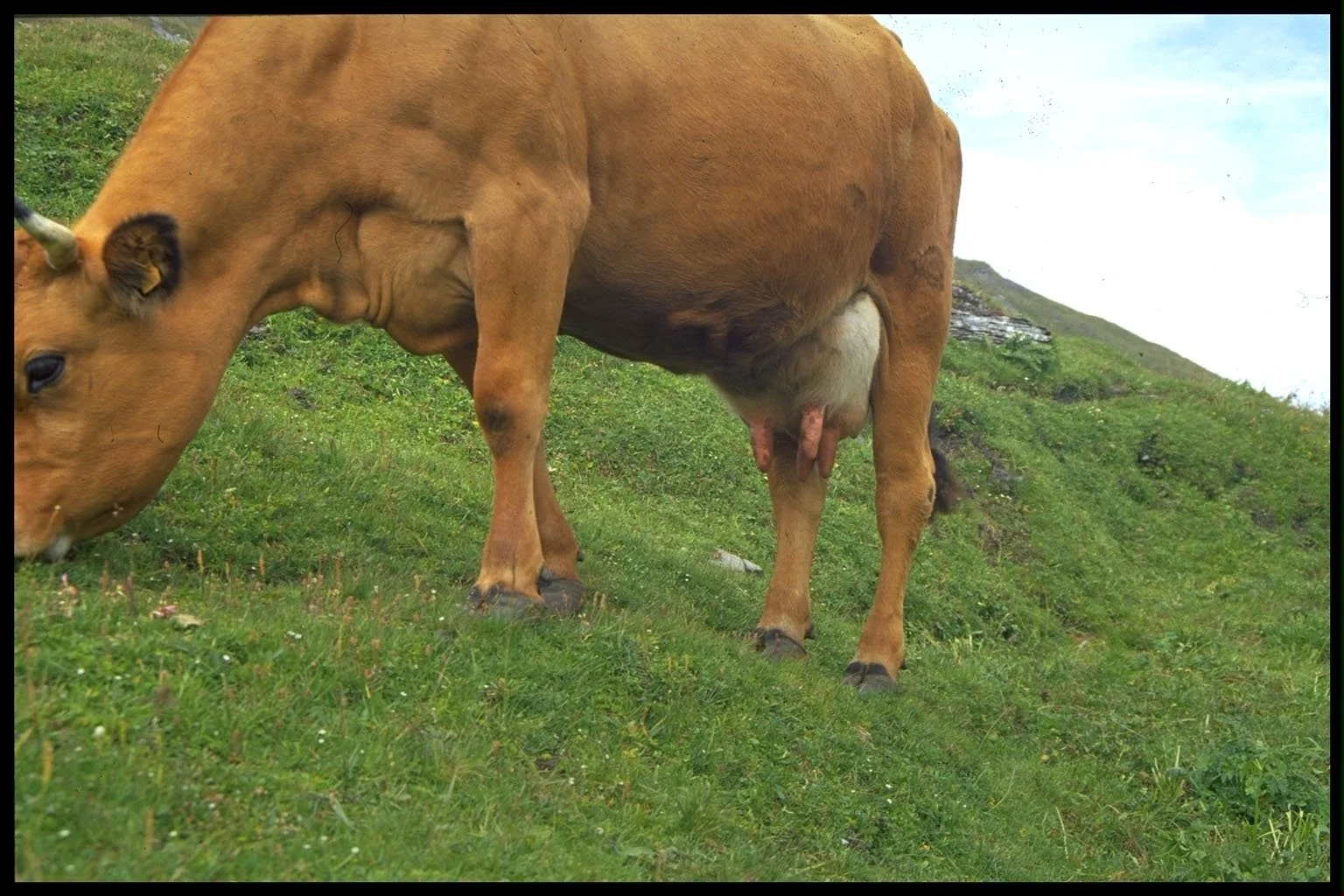
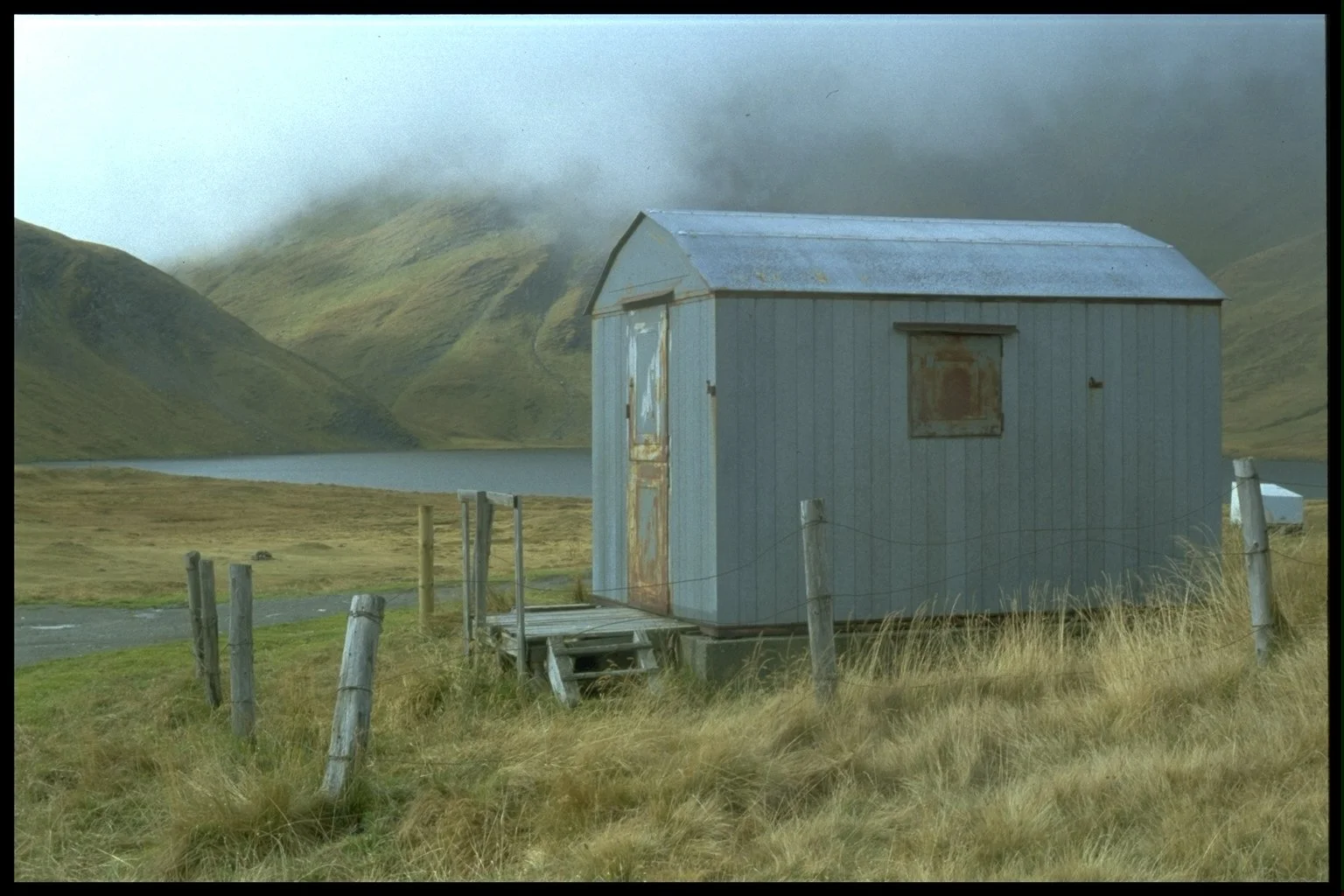
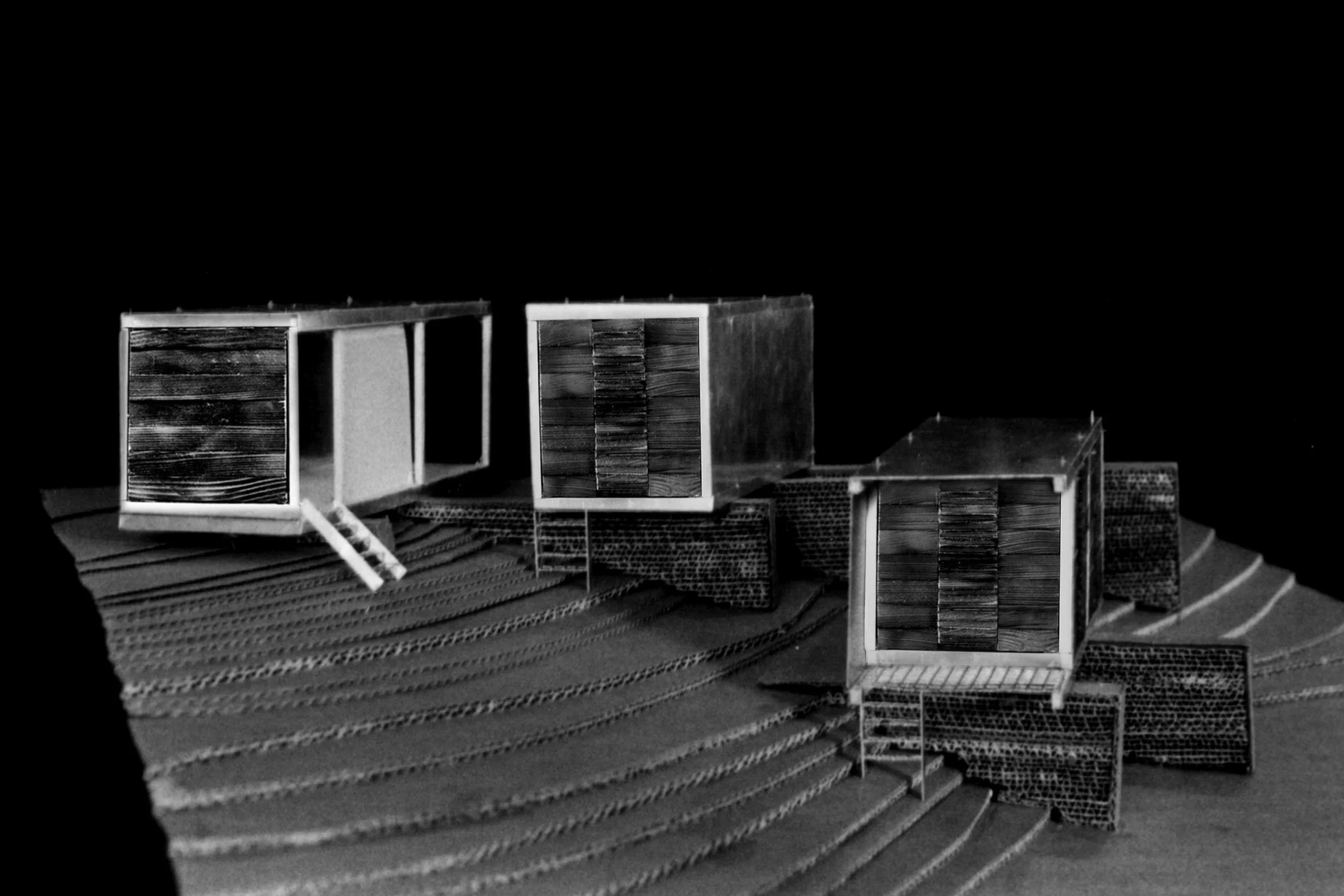
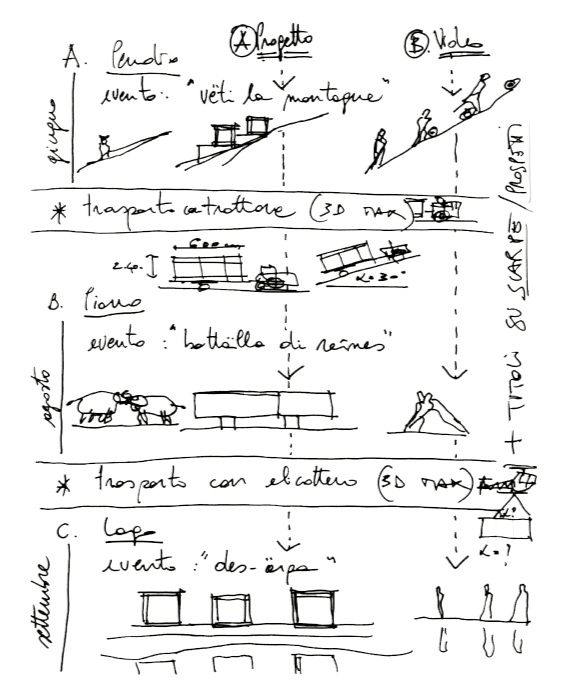
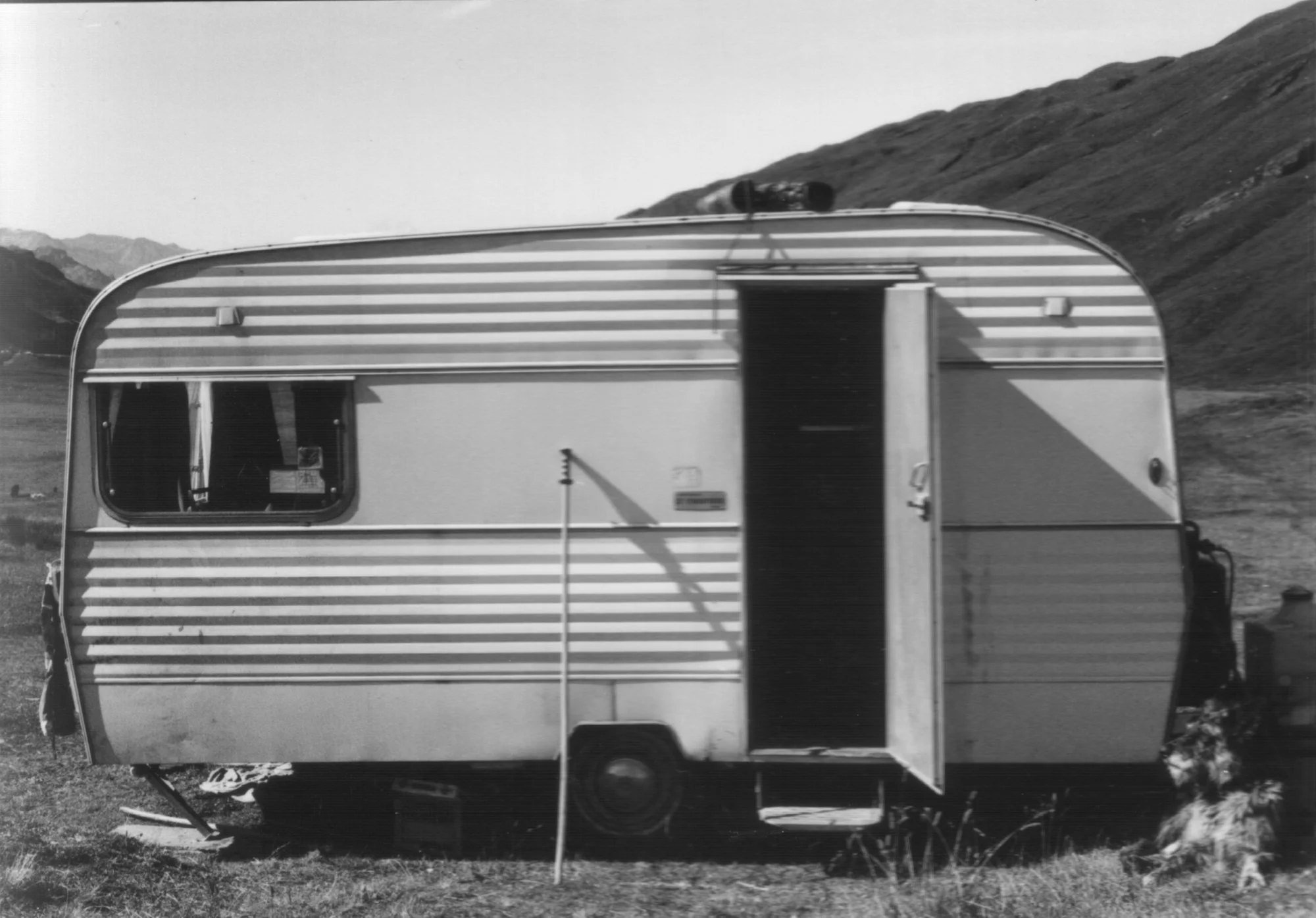
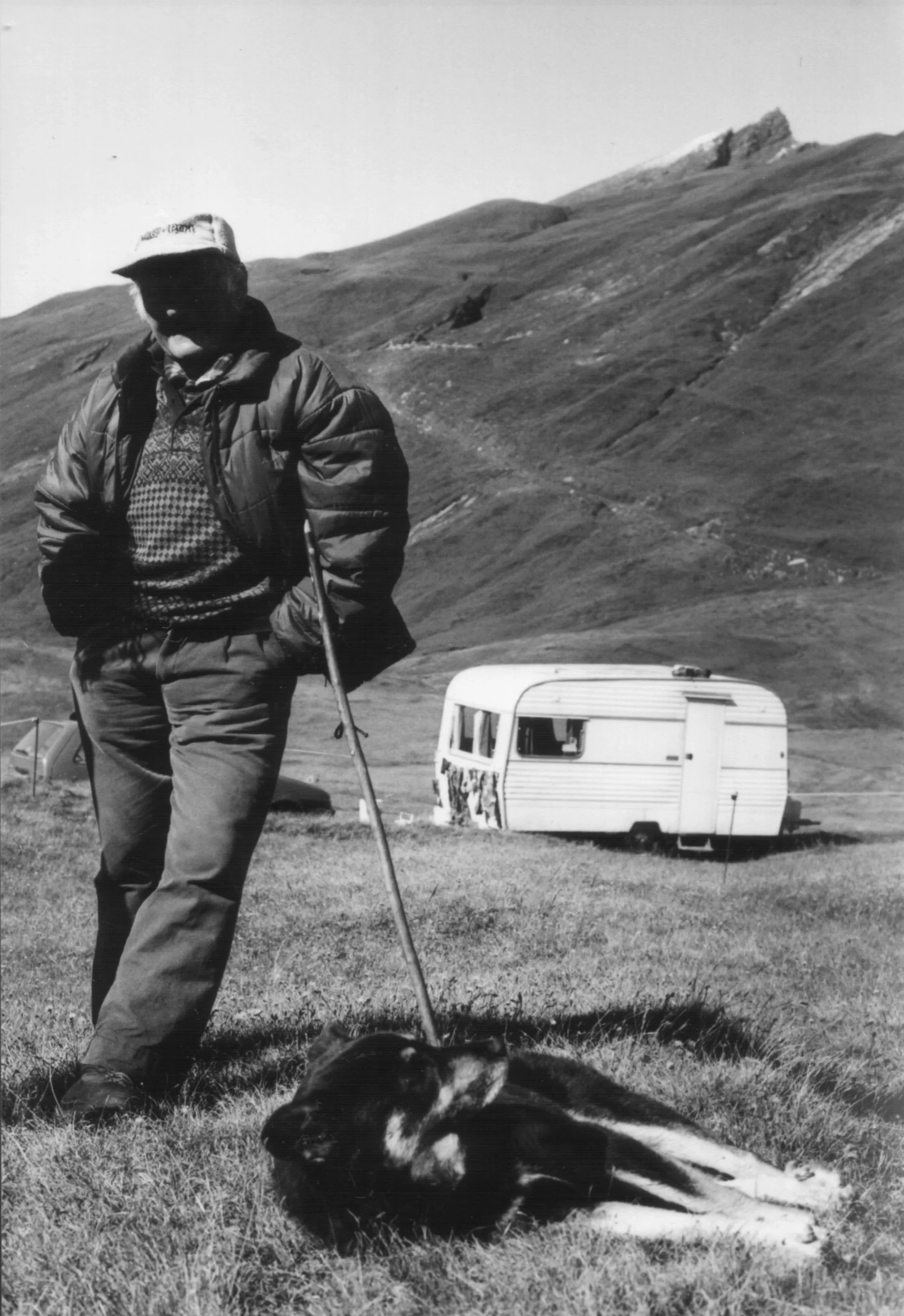
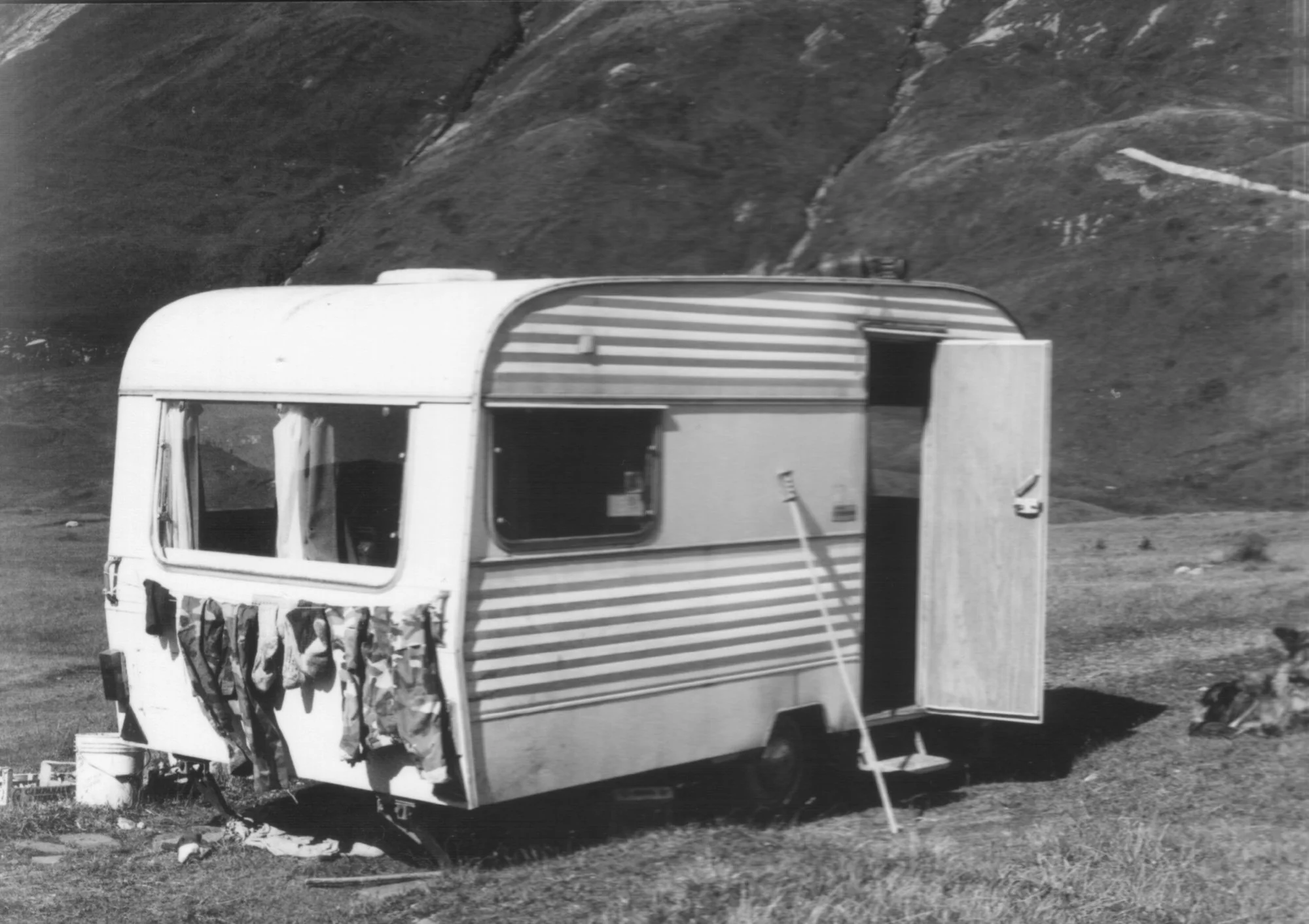
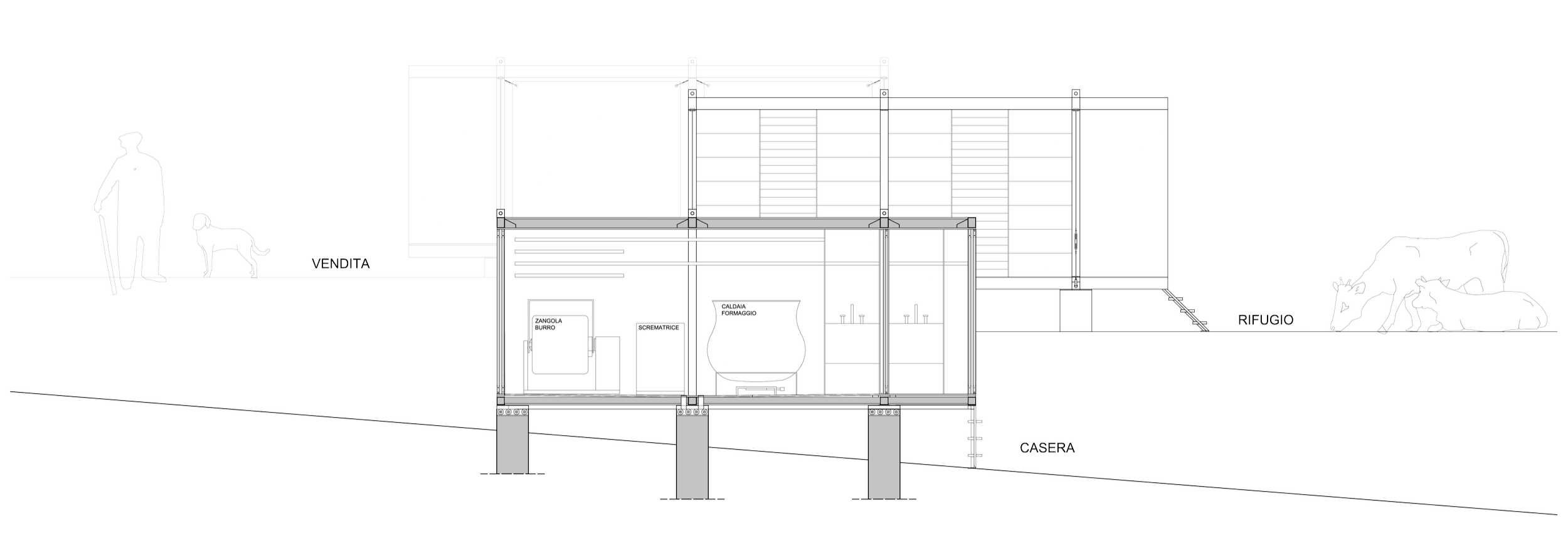
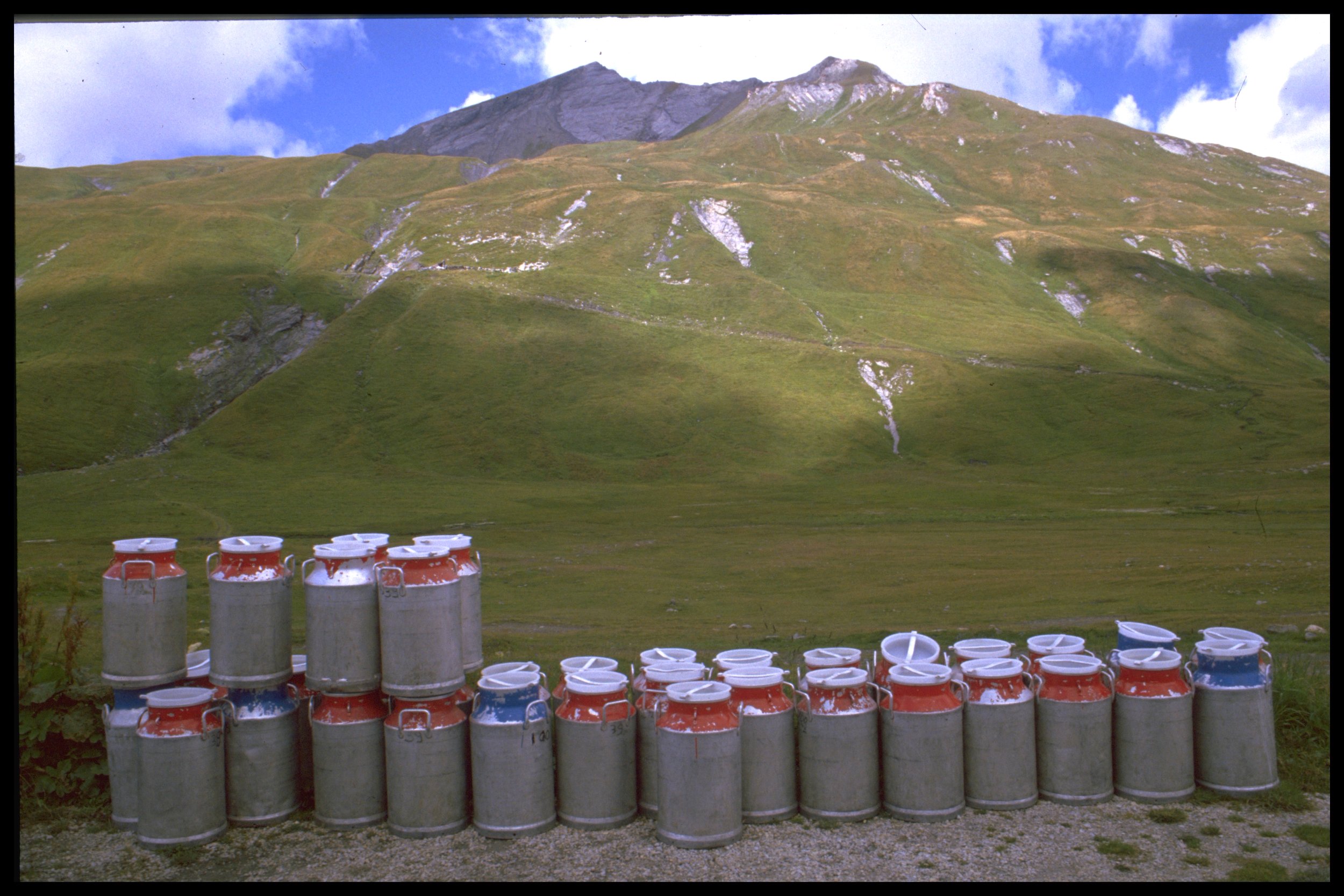
The thesis takes as its starting point the new generation of lightweight mobile milking machines, and addresses the inadequacy of a significant portion of high-altitude alpine pastures to current hygiene and code standards.

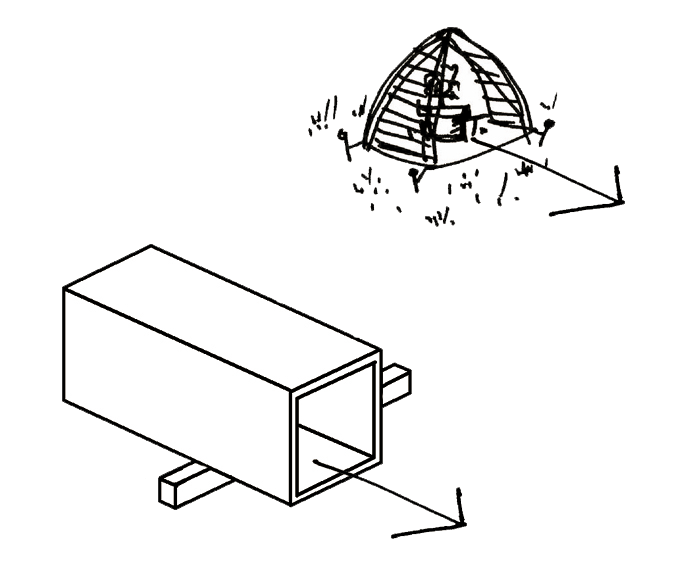
The proposal is to complement these mobile milking units with additional mobile elements serving as a dairy and temporary shelter, allowing productive activity to follow the herd rather than bringing the herd back to a fixed structure. Existing stone buildings, too fragile for significant renovation, are given a new role - shared between alpinism, pastoralism and tourism.


Thesis presented by Nathalie Pozzi at IUAV • Istituto Universitario di Architettura di Venezia, 26 April 2001.


Mobile dairy and shelter for high-altitude alpine pastures The particular case of the Col du Petit Saint-Bernard

Academic Institution
IUAV • Istituto Universitario di Architettura di Venezia

Location
Grand Saint Bernard · Alps

Year
2001


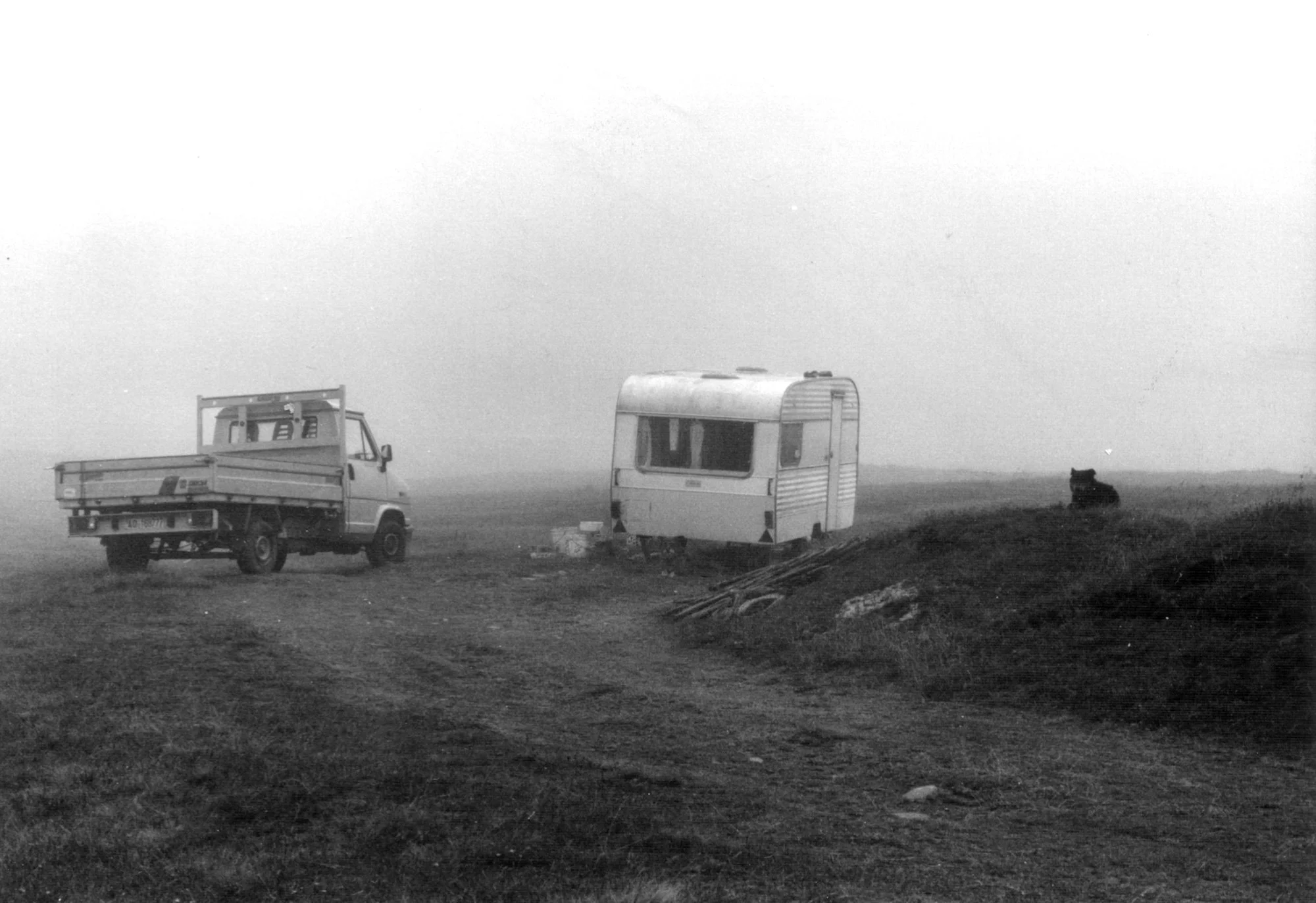
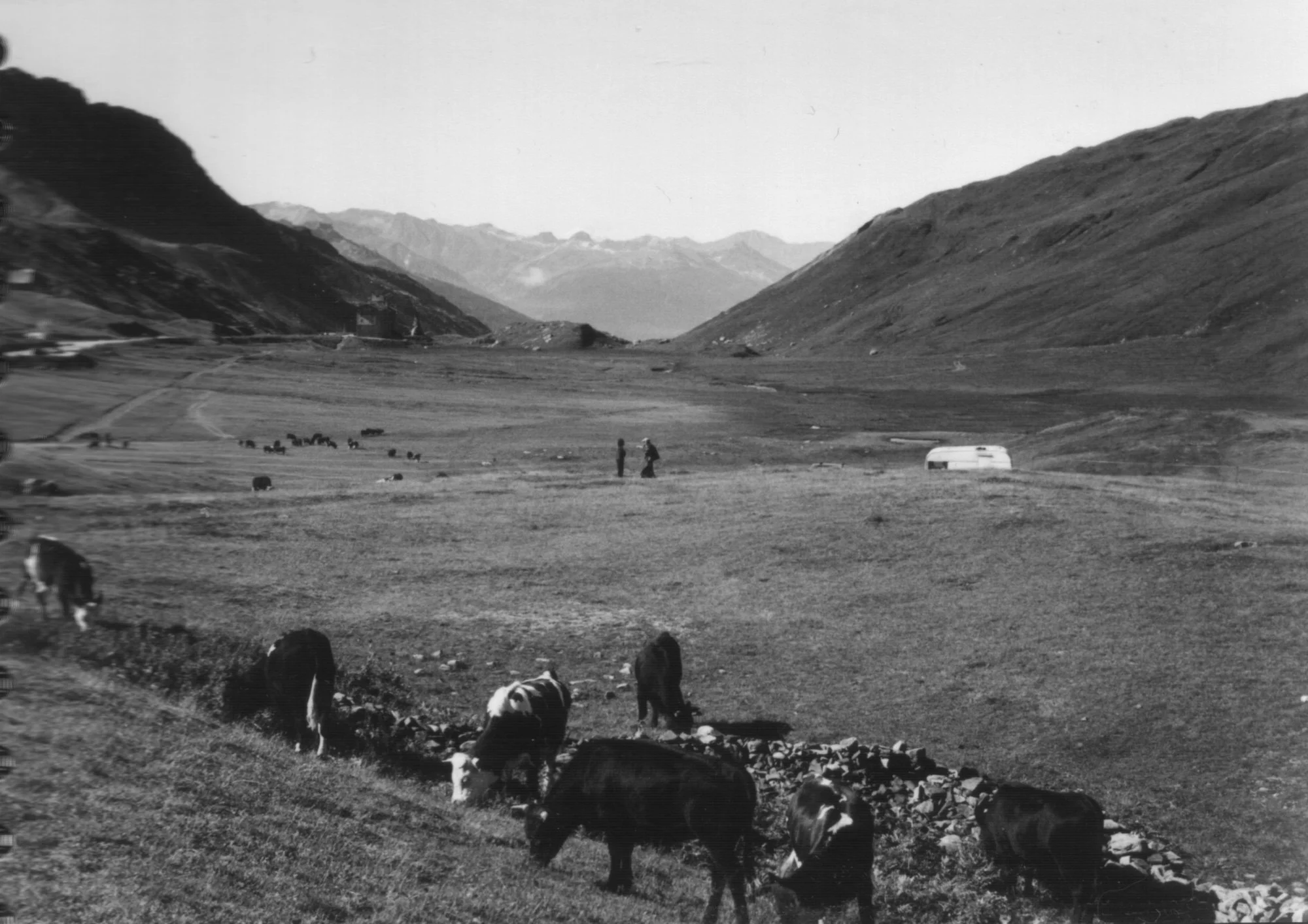
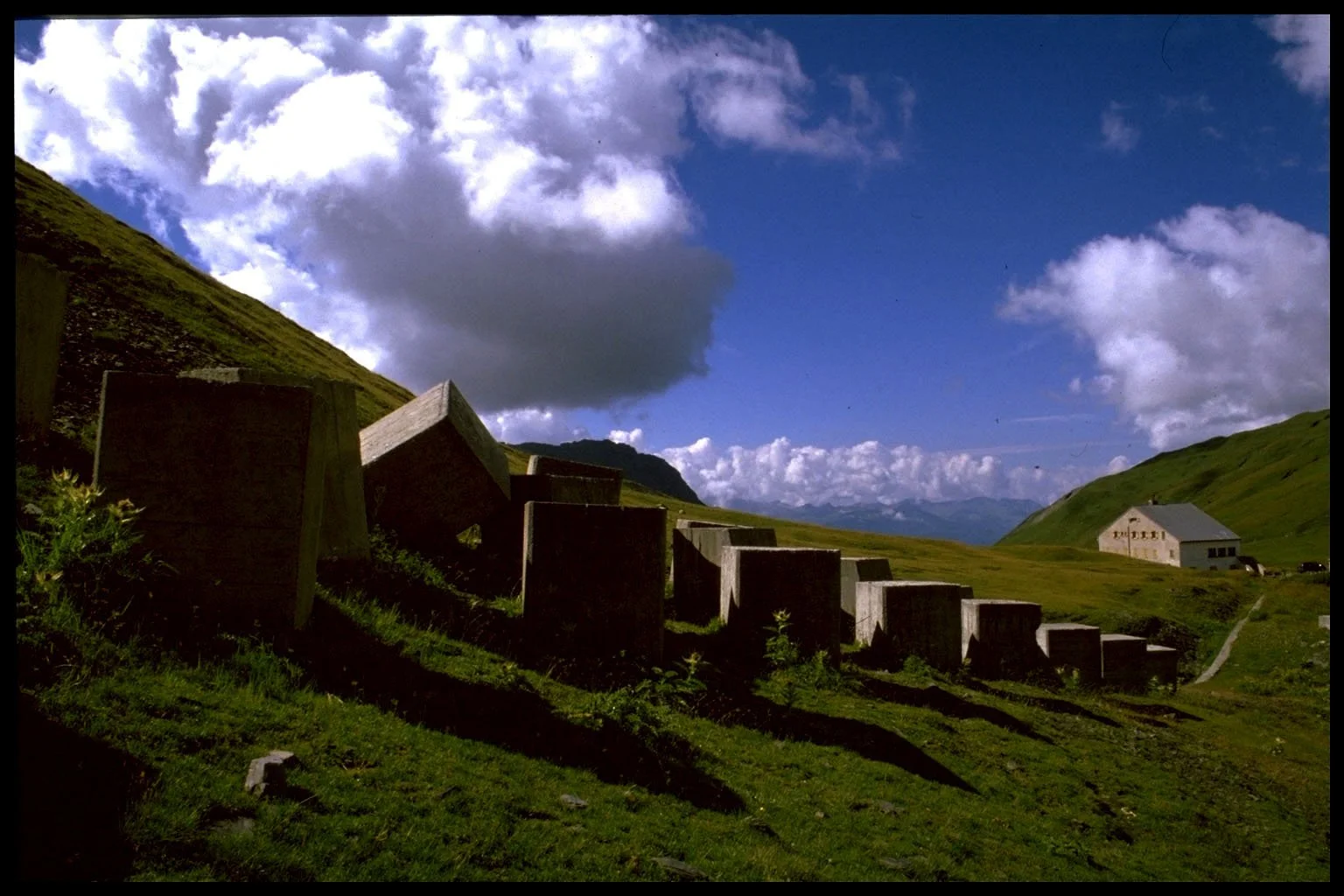
The thesis examines the particular case of the Col du Petit Saint-Bernard, a high-altitude Alpine pass located on the border between France and Italy, focusing on its layered historical, geographical, and cultural significance.

Situated at an elevation of approximately 2,200 meters, the pass has long functioned as a strategic crossing point, shaping patterns of movement, trade, and military passage across centuries.


The principal themes are:

Compliance with hygiene standards Spatial organisation for different activities (cleaning containers, processing milk, etc.), dimensional requirements, and selection of appropriate materials. Biological polyethylene tanks for water collection.

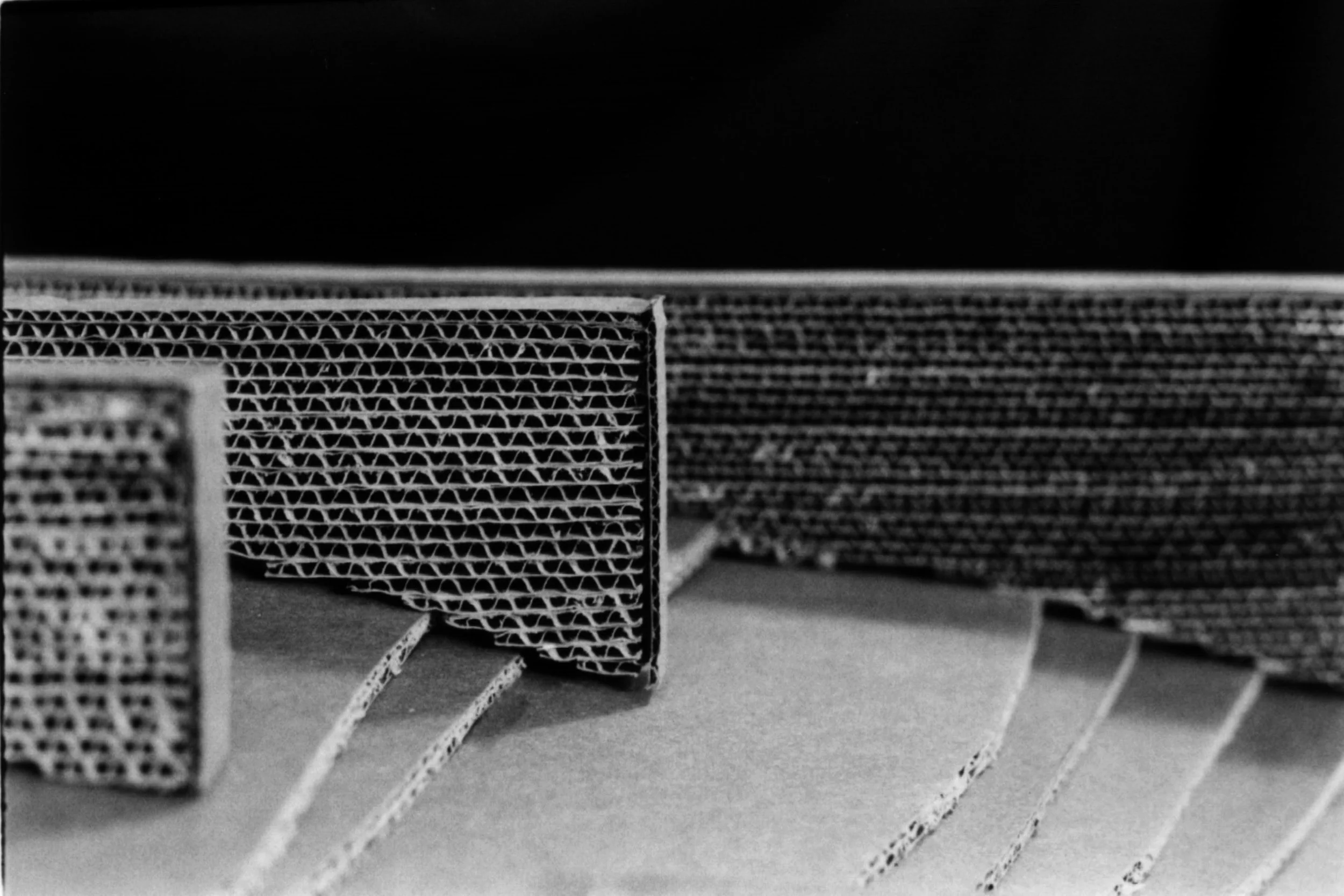
Transportability Maximum width of 250 cm (road transport regulations) and weight distribution for helicopter transport. Lightweight materials (Tripan honeycomb panels). Precise definition of the connection between mobile unit and wall, allowing both vertical placement by helicopter and horizontal sliding by ground transport. Assessment of rapid lifting systems.


The proposed solution has two parts: one temporary, one permanent.

The first consists of mobile units (two and a half modules of 250 x 250 x 250 cm), which rest on the second: fixed low walls (minimum height 45 cm, same width) whose primary function is to level uneven ground and raise the dairy and shelter off the soil.

The project operates at two scales. At 1:1, the definition of individual mobile units approaches the logic of design. At the scale of landscape composition — across several hypothetical alpine settings — the approach draws on the language of land art.


At the scale of landscape, the primary theme is the integration of the mobile units into the alpine environment:

Landscape The alpine mountain landscape is strongly natural yet shaped by human activity. Even temporary practices such as transhumant pastoralism leave permanent marks on the terrain. The landscape is built from simple elements — stones, cromlechs, concrete anti-tank blocks — that through repetition and combination form complex structures.

Environment The fixed structures allow rainwater to pass through without altering the existing hydrological system. No new impermeable surfaces are introduced. Water is collected and managed through differentiated drainage. Minimal ground impact. Compatibility with traditional construction methods (reference to local "champignons"). Use of local materials (stone, timber). Easy dismantling — including permanent elements — and possible reintegration of materials into the environment (dry stone walls, etc.).


Construire, c’est collaborer avec la terre: c’est mettre une marque humaine sur un paysage qui en sera modifié à jamais.

Marguerite Yourcenar, Mémoires d'Hadrien (1951)